
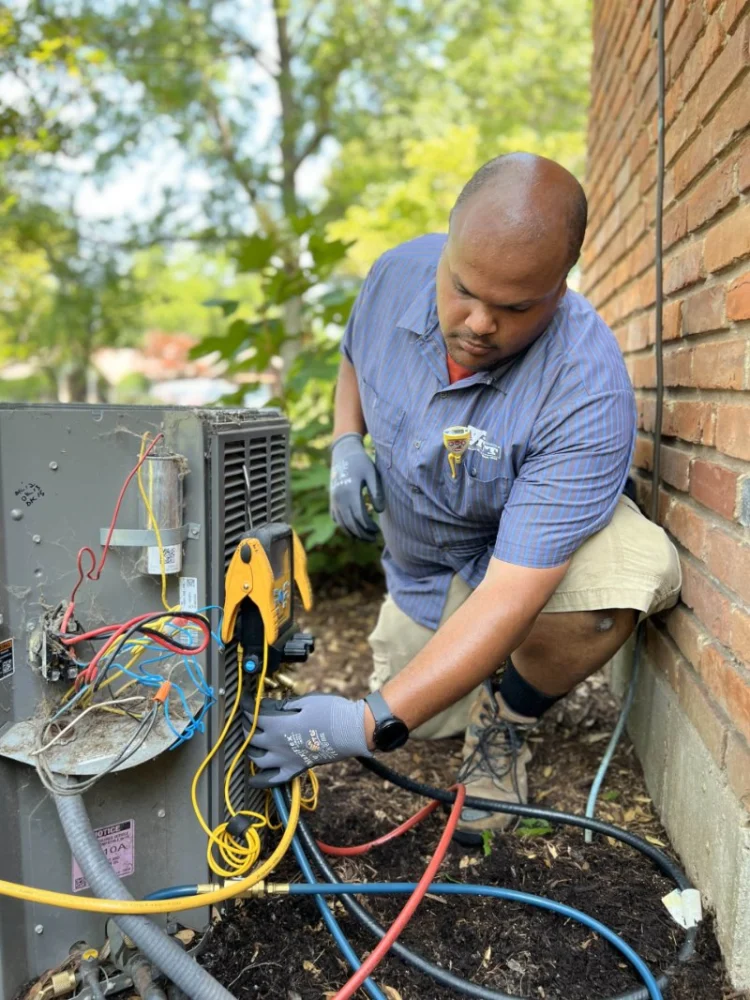
1. Understanding Air Conditioner Refrigerant Leaks
Refrigerant leaks in air conditioners are one of the most common and costly problems faced by homeowners. These leaks can reduce your system's efficiency, leading to higher energy bills and poor cooling performance. If left untreated, a refrigerant leak can lead to expensive repairs or even the need for a completely new air conditioning system. Understanding the causes and prevention methods for refrigerant leaks can help you save money and keep your AC running smoothly.

2. Common Causes of Refrigerant Leaks
Before discussing how to prevent refrigerant leaks, it’s important to understand the common causes:
- Corrosion: Over time, the metal parts of your air conditioner can corrode, especially around the evaporator coil or condenser coil, causing small holes through which refrigerant can escape.
- Loose Connections: If the connections between your AC unit’s components are not properly tightened, they may cause refrigerant leaks.
- Manufacturing Defects: Sometimes, defects during manufacturing can lead to leaks, although this is less common with newer models.
- Physical Damage: Accidental damage, like puncturing the coils during maintenance or moving furniture around, can also cause refrigerant leaks.
3. How to Prevent Air Conditioner Refrigerant Leaks
Prevention is key when it comes to refrigerant leaks. By performing regular maintenance and taking proactive steps, you can minimize the chances of a leak developing in your system. Here are some steps you can take to keep your air conditioner in top shape:
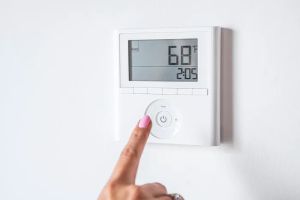
3.1 Regularly Inspect and Maintain Your AC Unit
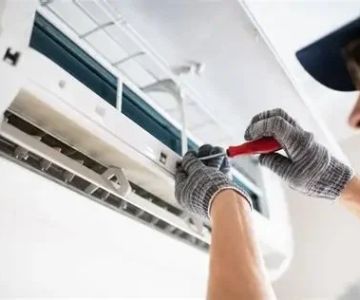
Routine maintenance is essential to ensure your air conditioner is working efficiently. A well-maintained system is less likely to experience issues such as refrigerant leaks. Here are some maintenance tips:
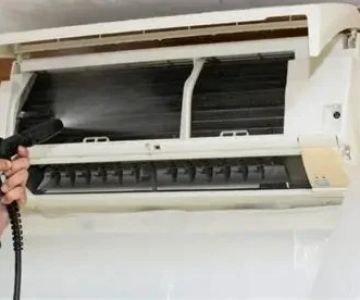
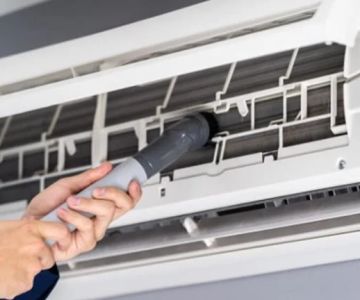
- Clean the Coils: Dirty evaporator and condenser coils can cause your system to overheat, leading to potential leaks. Clean the coils regularly to ensure proper heat transfer.
- Check for Corrosion: Look for signs of rust or corrosion around the coils, valves, and tubing. If corrosion is detected, it may be necessary to replace the affected parts before a leak occurs.
- Inspect Ductwork: Leaky ducts can put unnecessary strain on your system, making it work harder and increasing the risk of refrigerant leaks. Inspect the ductwork for damage and seal any leaks promptly.
3.2 Ensure Proper Installation
Improper installation is one of the leading causes of refrigerant leaks. Always hire a qualified professional to install your air conditioner. Proper installation ensures that all components are sealed and connected tightly, reducing the chances of leaks. If you ever need to move your unit or replace any parts, make sure to hire an experienced technician.
3.3 Use the Right Refrigerant
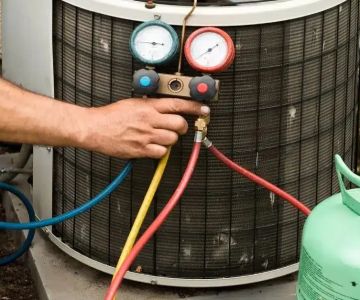
It’s essential to use the right type of refrigerant for your air conditioner. Using the wrong refrigerant can damage the components of your AC unit and cause leaks. Always ensure that your technician is using the recommended refrigerant when servicing or recharging your system.
3.4 Check for Leaks and Get Professional Help
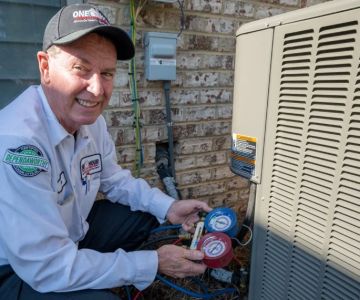
Even with preventive measures, leaks can still happen. It’s important to regularly check for refrigerant leaks, especially if your air conditioner is not cooling properly or if you notice hissing sounds. Early detection can prevent further damage to the system. If you suspect a refrigerant leak, contact a professional HVAC technician immediately. They can perform a thorough inspection and repair the issue before it becomes a larger problem.
4. Signs of a Refrigerant Leak
Knowing the signs of a refrigerant leak can help you identify and address the issue quickly:
- Poor Cooling: If your air conditioner is not cooling as efficiently as it should, it could be due to a refrigerant leak.
- Ice on Coils: Low refrigerant levels can cause ice to form on the evaporator coils, which can lead to further damage if not addressed.
- High Energy Bills: If your energy bills are higher than usual, it may be because your air conditioner is working harder to compensate for a refrigerant leak.
- Hissing or Bubbling Sounds: These sounds could indicate that refrigerant is leaking from the system.
5. Conclusion
Preventing air conditioner refrigerant leaks is crucial to maintaining your system’s efficiency and longevity. By performing regular maintenance, ensuring proper installation, and taking proactive steps to address any signs of leaks, you can avoid costly repairs and keep your home cool and comfortable. If you need professional help with AC maintenance or suspect a refrigerant leak, don’t hesitate to contact Ac Fix for expert assistance.
 Trane Supply4.0 (7 reviews)
 Hometown Air, LLC5.0 (16 reviews)
 David's Same Day Services Inc.4.0 (142 reviews)
 Renewal Plus Air Conditioning and Heating5.0 (116 reviews)
 Houston Royal Range Repair5.0 (8 reviews)
 Guaranteed Auto Air Repair4.0 (1441 reviews)
 Common AC Problems and How to Fix Them Quickly
 DIY vs Professional: Should You Fix Your Air Conditioning Yourself?
 How Much Does It Really Cost to Replace an Air Conditioning Unit?
 Everything You Need to Know Before You Fix Your AC Condenser
 Why Your Air Conditioner Is Not Turning Off and How to Fix It
 How to Repair a Faulty Circuit Board in Your Air Conditioning Unit