
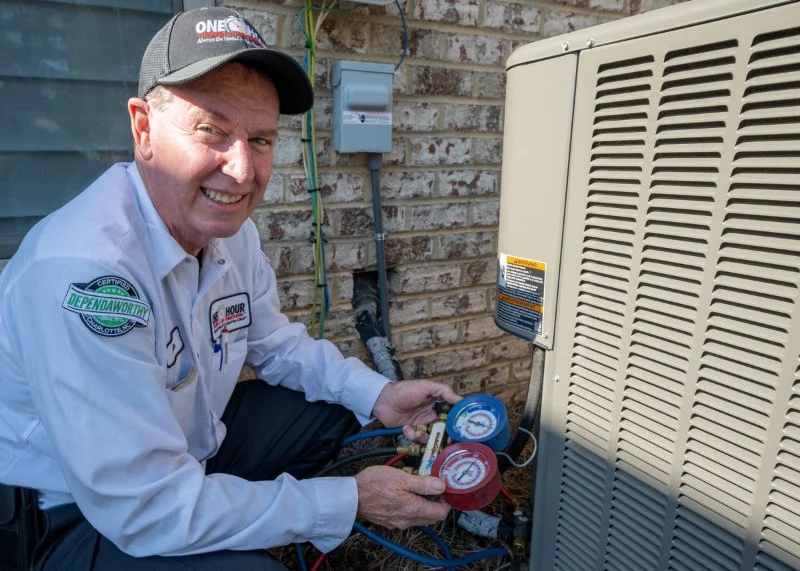
Fixing an Air Conditioner with Low Refrigerant: What You Need to Know
One of the most common reasons an air conditioner (AC) stops cooling properly is low refrigerant levels. Whether you're experiencing warm air blowing from your vents or your AC simply won't cool your home, low refrigerant could be the culprit. In this article, we’ll discuss the causes, signs, and how to fix an air conditioner with low refrigerant to restore its cooling power.
- 1. Causes of Low Refrigerant in an Air Conditioner
- 2. Signs Your AC Has Low Refrigerant
- 3. How to Fix Low Refrigerant in Your Air Conditioner
- 4. When to Call a Professional for Refrigerant Repair
1. Causes of Low Refrigerant in an Air Conditioner
Low refrigerant levels in an air conditioner are typically caused by a refrigerant leak. Unlike fuel in a car, refrigerant is not consumed during the cooling process. If your system is low on refrigerant, there’s usually a leak somewhere in the system.

1.1 Leaky Refrigerant Lines
Refrigerant lines in your air conditioning system can develop leaks over time due to wear and tear. Even small leaks can slowly cause refrigerant levels to drop, leading to poor cooling performance.

1.2 Improper Installation
If your air conditioner was recently installed and is already low on refrigerant, the issue might be due to improper installation. A poorly sealed refrigerant line or an incorrect amount of refrigerant can lead to early cooling issues.
1.3 Aging System Components
Older air conditioning units, especially those that have been in use for over a decade, are more likely to experience issues with refrigerant leaks. The wear on seals, hoses, and joints can lead to the gradual loss of refrigerant.
2. Signs Your AC Has Low Refrigerant
If your air conditioner is low on refrigerant, it will struggle to cool your home. Here are some common signs that indicate low refrigerant levels:
2.1 Warm Air Blowing from Vents
If the air coming from your AC vents is warm, the most likely cause is low refrigerant levels. Refrigerant is essential for the heat exchange process that cools the air. Without enough refrigerant, your AC can't effectively cool your home.
2.2 Ice Buildup on the Coils
Another sign of low refrigerant is the formation of ice on the evaporator coils. As the refrigerant level drops, the coils can become too cold, causing moisture in the air to freeze. This ice buildup can further restrict airflow and reduce your AC's cooling capacity.
2.3 Increased Energy Bills
When your AC is low on refrigerant, it has to work harder to maintain the desired temperature. This extra effort can cause your energy bills to rise, even though your AC isn't performing as well as it should.
3. How to Fix Low Refrigerant in Your Air Conditioner
While repairing a low refrigerant issue typically requires professional help, there are a few things you can do to address the problem:
3.1 Identify the Leak
The first step in fixing low refrigerant is identifying the leak. If you're confident in your ability to inspect your AC, you can look for visible signs of damage on the refrigerant lines or connections. If you spot a leak, you can call a professional to repair it. However, finding the leak often requires specialized equipment, such as a UV dye or refrigerant leak detector.
3.2 Recharging the Refrigerant
Once the leak is repaired, the refrigerant needs to be recharged to the proper level. This process involves adding the correct type and amount of refrigerant to the system, which is typically done by a licensed HVAC technician. Recharging your system yourself is not recommended, as overcharging or undercharging the system can cause further damage.
3.3 Sealing the Leak
If the leak is small, some HVAC technicians may apply a sealant to prevent further refrigerant loss. This method is temporary, and while it can work in some cases, it’s usually best to have the leak repaired permanently.
4. When to Call a Professional for Refrigerant Repair
While there are a few steps you can take on your own, dealing with low refrigerant and refrigerant leaks often requires the expertise of a licensed HVAC professional. Here are some instances when you should call an expert:
4.1 Persistent or Multiple Leaks
If your AC continues to lose refrigerant after repeated repairs, it’s time to call in a professional. Persistent leaks can be a sign of deeper system issues that require expert attention.
4.2 Improper Refrigerant Charging
Recharging an AC with the wrong type or incorrect amount of refrigerant can damage the system. A professional will ensure that the correct refrigerant is used and that it is charged to the proper level for optimal performance.
4.3 Complex AC Issues
If you’re dealing with complex issues beyond refrigerant, such as compressor failure, electrical issues, or damaged coils, it’s best to contact a professional for a thorough inspection and repair.
For more information on air conditioner maintenance and repairs, visit Ac Fix to find the best products and services for your cooling needs.


 Baker Heating and Air5.0 (1 reviews)
 H&E Heating & Air Conditioning Services5.0 (2 reviews)
 Pioneer Heating, Cooling, Electrical & Plumbing4.0 (4958 reviews)
 StateWide Service Co.4.0 (234 reviews)
 Taylor Air & Heat Inc5.0 (16 reviews)
 Air Enforcement Air Conditioning And Heating4.0 (31 reviews)
 The Ultimate Checklist to Find Who Can Fix My Air Conditioner Successfully
 How to Find Reliable AC Repair Services | Trusted AC Technicians
 How Long Does It Take to Fix Air Conditioning? Repair Time Explained
 How to Replace a Faulty Air Conditioner Capacitor: A Step-by-Step Guide
 Best Services That Can Fix My Air Conditioner Near You Today
 How Long Should It Take to Fix an Air Conditioning Leak?