
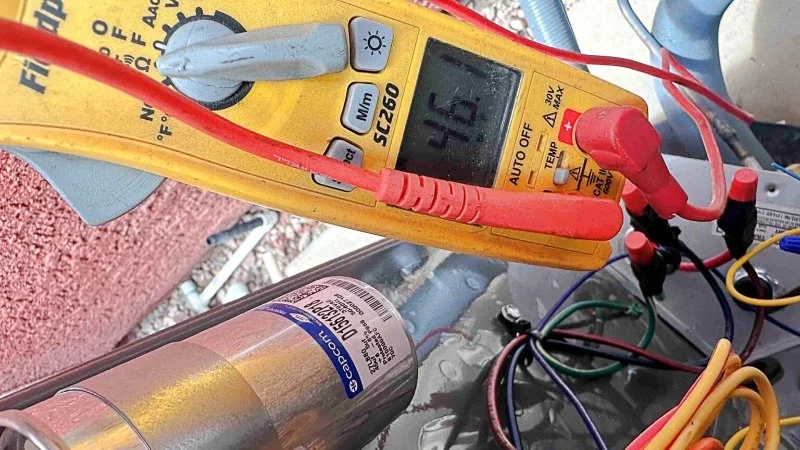
How to Test Your Air Conditioner’s Capacitor and Fix It If Needed
If your air conditioner isn't cooling properly, one of the possible culprits could be a faulty capacitor. The capacitor in your AC unit plays a crucial role in providing the necessary power to the motor, allowing it to start and run efficiently. When the capacitor starts to fail, it can lead to a variety of performance issues. In this article, we’ll guide you through the process of testing your air conditioner’s capacitor and provide steps on how to fix it if needed.
- Understanding the Capacitor in Your AC Unit
- Signs of a Faulty Capacitor
- How to Test Your AC Capacitor
- How to Replace a Faulty Capacitor
- When to Call a Professional
Understanding the Capacitor in Your AC Unit
The capacitor is a small but vital component of your air conditioning unit. It stores and releases electrical energy to help start the compressor and the fan motor. Without a functioning capacitor, your AC unit will struggle to start up, leading to poor cooling performance or even total failure. There are two main types of capacitors found in air conditioners:
Start Capacitor
The start capacitor helps the compressor motor start up and run. It provides a short burst of energy that gets the motor spinning. Once the motor is up to speed, the start capacitor disconnects from the circuit.
Run Capacitor
The run capacitor works continuously to keep the motor running. It helps improve energy efficiency and provides consistent power to the motor during operation. If either of these capacitors fails, the AC unit won’t function properly.
Signs of a Faulty Capacitor
If your air conditioner is experiencing any of the following issues, a faulty capacitor could be the cause:
Your AC Won’t Start
If your air conditioner turns on but doesn't run or the fan isn’t spinning, it could indicate a problem with the capacitor. The capacitor may not be providing the necessary charge to the motor, preventing it from starting.
Your AC Cycles On and Off Frequently
If the capacitor is weak or failing, the motor may struggle to stay running, causing your AC to turn on and off unexpectedly. This cycling can put additional strain on your unit and reduce its lifespan.
You Hear Buzzing or Humming Noises
A buzzing or humming sound coming from your AC could be a sign that the capacitor is having difficulty powering the motor. If the capacitor is damaged, the motor may try to start but fail, causing these strange noises.
Poor Cooling Performance
If your AC isn’t cooling effectively, even after checking the filters and other components, a faulty capacitor could be the issue. The capacitor provides the motor with the necessary energy, and without it, the motor can’t run efficiently, affecting overall cooling performance.
How to Test Your AC Capacitor
Testing your air conditioner’s capacitor is a relatively simple process, but it does require caution, as capacitors store electrical energy. Follow these steps to test the capacitor:
Turn Off the Power
Before you begin any work on your AC unit, ensure that the power is turned off. You can do this by switching off the breaker that controls your AC. Always ensure safety first when working with electrical components.
Locate the Capacitor
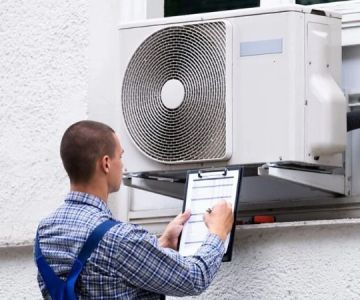
The capacitor is usually located in the condenser unit, which is the outdoor part of your AC system. It’s typically a cylindrical or oval-shaped component with wires connected to it. Refer to your unit’s manual if you’re unsure of its location.
Discharge the Capacitor
Before handling the capacitor, it’s important to discharge it to avoid a potential shock. You can do this by using a flathead screwdriver with an insulated handle to short the terminals of the capacitor, which will release any stored energy.
Use a Multimeter to Test the Capacitor
Set your multimeter to measure resistance or capacitance, depending on the model of your tester. Place the multimeter leads on the terminals of the capacitor. If the reading is outside the manufacturer’s recommended range or shows no reading, the capacitor is likely faulty and needs replacement.
Perform a Visual Inspection
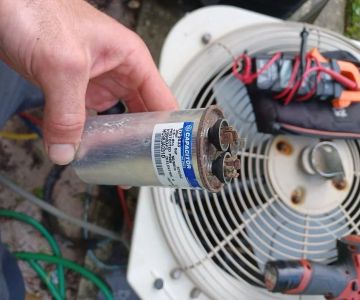
Along with using a multimeter, visually inspect the capacitor for any signs of bulging, leaking, or discoloration. These are signs that the capacitor is damaged and needs to be replaced.
How to Replace a Faulty Capacitor
If your capacitor is damaged or faulty, replacing it is a straightforward process. Here’s how to do it:
Disconnect the Faulty Capacitor
Carefully disconnect the wires from the old capacitor. Take note of the wiring diagram or label to ensure you connect the new capacitor correctly. Make sure the power is off before touching any wires.
Install the New Capacitor
Install the new capacitor by connecting the wires to the appropriate terminals. Make sure the new capacitor matches the specifications of the old one, including voltage and capacitance values. Secure the capacitor in place and double-check the connections.
Test the New Capacitor
After installing the new capacitor, turn the power back on and test the AC unit to ensure it’s operating correctly. The motor should run smoothly without excessive buzzing or cycling on and off.
When to Call a Professional
If you’re uncomfortable testing or replacing the capacitor yourself, or if the problem persists after replacing the capacitor, it’s time to call in a professional HVAC technician. A trained technician can diagnose and fix any issues with your air conditioner and ensure everything is running safely and efficiently.
Complex HVAC Issues
If you find that the capacitor is only part of a larger issue, such as problems with the compressor or fan motor, it’s important to seek professional help. A technician can evaluate the entire system and recommend the best course of action.
Safety Concerns
Working with electrical components can be dangerous if you don’t have the proper knowledge or tools. If you’re unsure about how to handle the capacitor or other parts of the AC unit, a professional technician will ensure the job is done safely.
Conclusion
Testing and replacing a faulty air conditioner capacitor is a relatively simple process, but it’s important to follow safety protocols and ensure that the replacement capacitor matches the specifications of the original. If you notice any signs of a malfunctioning capacitor, such as unusual noises, poor cooling performance, or difficulty starting, taking action early can prevent further damage to your AC system. For complex issues or if you’re unsure about the repair process, don’t hesitate to call a professional HVAC technician to keep your air conditioning unit running smoothly.
 Burgess Heating and Air4.0 (1301 reviews)
 Absolute Auto A/C Complete Automotive Repair4.0 (61 reviews)
 Sons of Service Plumbing Heating & Air Conditioning5.0 (79 reviews)
 Lux Chimney Sweep Services4.0 (55 reviews)
 Home Services at The Home Depot4.0 (5 reviews)
 Scotts Heating & Air LLC5.0 (6 reviews)
 Experts Explain How to Fix Your AC Like a Pro
 Emergency AC Repairs: How to Find Help and Prevent Future Problems
 How to Fix Your Air Conditioning – Essential Tips for Homeowners
 10 Signs It's Time to Fix Your Air Conditioning
 How to Clean Your Air Conditioner Ductwork to Improve Airflow
 How Long Should It Take to Fix Air Conditioning? | AC Fix