
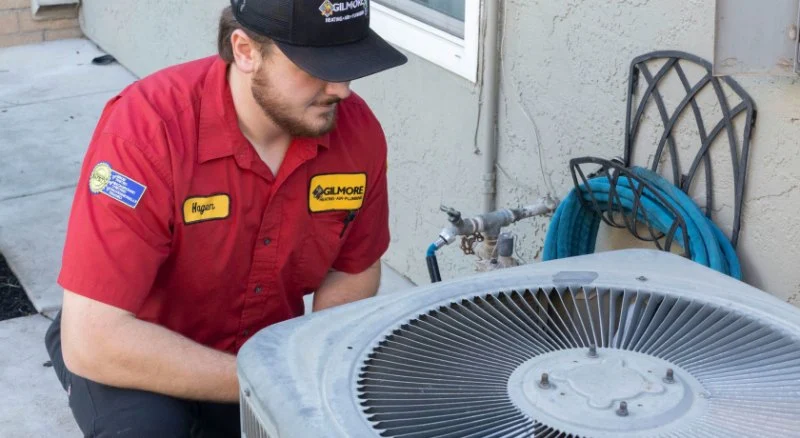
- Step 1: Understanding the Importance of Airflow in AC Performance
- Step 2: Regular AC Filter Maintenance
- Step 3: Cleaning and Unclogging AC Ducts
- Step 4: Ensuring Proper Ventilation in Your Home
- Step 5: Professional AC Tune-ups and Upgrades
Step 1: Understanding the Importance of Airflow in AC Performance
Airflow plays a crucial role in the performance of your air conditioning system. Without proper airflow, your AC cannot effectively cool your home, leading to reduced efficiency, higher energy bills, and increased wear on the system. Understanding the factors that affect airflow is essential to ensuring your AC operates at its best.
- How Airflow Affects AC Efficiency: Proper airflow allows your AC system to distribute cool air throughout the home efficiently. Insufficient airflow results in uneven cooling, forcing the AC to work harder and consume more energy.
- Impact of Blocked Airflow: When air ducts or filters become blocked, the AC system struggles to circulate air, causing reduced cooling and increased strain on the motor and compressor.
- Signs of Poor Airflow: If certain areas of your home feel warmer than others, or if your AC system is running longer than usual, these may be signs of poor airflow.
Improving airflow will not only enhance your AC's cooling efficiency but also prolong its lifespan, saving you money on energy and repairs.

Climate Conditioning Company, Inc.
LouisvilleJefferson CountyKentucky
10704 Electron Dr, Louisville, KY 40299, USA
Step 2: Regular AC Filter Maintenance
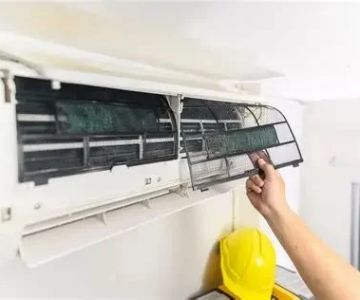
The first step in improving airflow in your AC system is to ensure that the filters are clean and in good condition. Dirty or clogged filters restrict airflow, reducing the efficiency of the system. Here’s how to maintain your AC filters:
- Replace or Clean Filters Regularly: Depending on your AC system, filters should be replaced or cleaned every 1-3 months. Homes with pets or heavy dust may require more frequent cleaning.
- Use the Right Type of Filter: Ensure you’re using the correct filter for your system. High-efficiency filters can trap more dirt and allergens, but they may also restrict airflow if not replaced regularly.
- Monitor Filter Condition: Always inspect your filters for dust and debris. If your filter appears clogged or dirty, it’s time to replace or clean it.
Proper filter maintenance is one of the simplest and most effective ways to improve airflow and keep your AC system running smoothly.

Step 3: Cleaning and Unclogging AC Ducts
Over time, dust, debris, and mold can build up in the air ducts, restricting airflow and reducing the efficiency of your AC system. Cleaning the ducts is essential for maintaining good airflow and improving AC performance. Here’s how to tackle duct cleaning:
- Inspect Ducts for Blockages: If you notice reduced airflow in certain rooms, it may be due to clogged ducts. Blockages can be caused by dirt, pet hair, or even mold growth.
- Professional Duct Cleaning: Hire a professional to clean your ducts if you suspect significant buildup. A technician will use specialized tools to clear the ducts and ensure optimal airflow.
- Seal Duct Leaks: Leaky ducts can lead to air loss, reducing airflow and system efficiency. Inspect your ducts for leaks and seal any gaps using appropriate duct tape or mastic sealant.
Regular duct cleaning and maintenance will improve airflow, reduce allergens in your home, and enhance the performance of your AC system.
Step 4: Ensuring Proper Ventilation in Your Home
Inadequate ventilation can also impact airflow, as air may become trapped or unable to circulate freely. Proper home ventilation ensures that air moves efficiently through the AC system and out of vents, creating a more comfortable living environment.
- Keep Vents Clear: Ensure that furniture, drapes, or other objects are not blocking AC vents. Restricted vents hinder airflow and make it harder for the system to cool the room.
- Use Ceiling Fans: Ceiling fans can help distribute cool air more evenly throughout the room, improving the effectiveness of your AC system. Make sure fans are running in the correct direction to push cool air down.
- Open Windows and Doors When Appropriate: On cooler days, open windows to allow fresh air to circulate. This will help improve the overall airflow and reduce the workload on your AC system.
Optimizing ventilation can significantly improve airflow, allowing your AC to operate more efficiently and cool your home more effectively.
Step 5: Professional AC Tune-ups and Upgrades
To ensure your AC system is performing at its best, consider scheduling regular tune-ups and upgrades. Professional technicians can inspect the system, clean components, and make any necessary adjustments to improve airflow and efficiency. Here’s what to expect:
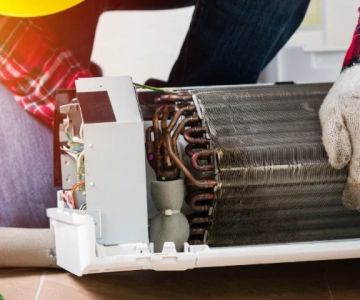
- AC Tune-up Services: A professional tune-up typically includes cleaning the evaporator and condenser coils, checking refrigerant levels, inspecting the fan and motor, and ensuring the system is free from obstructions that could affect airflow.
- Upgrades for Better Airflow: If your system is outdated or undersized for your home, an upgrade may be necessary. Modern, energy-efficient AC systems are designed to optimize airflow and reduce energy consumption.
- Routine Maintenance: Regular professional maintenance can identify potential issues before they become major problems, ensuring that your AC continues to deliver efficient cooling for years to come.
Investing in professional AC services will help you maintain good airflow, improve system performance, and avoid costly repairs down the road.
For expert AC maintenance and repair services, visit Ac Fix for reliable solutions and professional advice on improving airflow and keeping your AC system in top condition.
 Webster Radiator A/C & Auto Truck Repair4.0 (290 reviews)
 Heating & Air Conditioning Gainesville4.0 (39 reviews)
 William Cannon Heating & Air4.0 (25 reviews)
 Terrace Heating & Air4.0 (258 reviews)
 Sears Appliance Repair4.0 (24 reviews)
 Hoelscher Services LLC5.0 (4 reviews)
 The Ultimate Checklist to Fix Air Conditioner Near Me Successfully
 Who Should You Trust When You Need to Fix Your Air Conditioning? | Ac Fix
 How to Identify and Fix an Air Conditioner That’s Leaking
 How to Perform Basic Troubleshooting on Your AC Unit
 Everything You Need to Know Before You Fix Air Conditioning
 DIY vs Professional AC Repair: How to Decide Who Can Fix Your AC