

- #AC-troubleshooting
- #air-conditioning-repair
- #replace-air-conditioner
- #fix-AC
- #HVAC-system-repair
- #AC-replacement
- #air-conditioner-issues
- #cooling-system-maintenance
1. Understanding Common AC Problems
Air conditioning units can encounter a range of problems, especially as they age. Knowing when to repair or replace your AC unit can save you time and money. In this guide, we'll explore the most common AC issues, when repairs are necessary, and when it may be time for a new system altogether.
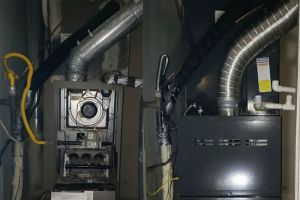
Texas Elite Air Conditioning & Heating, LLC
Autumn Sage Pkwy, Kyle, TX 78640, USA
1.1 Common AC Issues
Understanding the symptoms of a malfunctioning air conditioner is the first step in troubleshooting. Some of the most common AC issues include:
- Air Not Cooling Properly: If your AC isn't cooling as it should, the issue could be a refrigerant leak, a malfunctioning compressor, or a clogged air filter.
- AC Not Turning On: This could be a result of an electrical issue, a broken thermostat, or a failed capacitor.
- Strange Noises: If your AC makes unusual noises like grinding, squealing, or rattling, it could indicate worn-out parts or debris in the unit.
- Water Leaks: AC units should never leak water indoors. If you notice water pooling around the unit, it could be a clogged condensate drain or a frozen coil.
2. When to Repair Your AC
If your AC unit is still relatively new or if the issue is minor, repairing it may be the most cost-effective option. Here are some scenarios where a repair is likely your best bet:

2.1 Minor Issues or Simple Fixes
Small problems such as a dirty filter, low refrigerant levels, or a malfunctioning thermostat can typically be repaired for a reasonable cost. These issues often don’t signal the end of your AC's lifespan and can be fixed relatively easily by a professional.
2.2 Cost-Effective Repairs
If your AC is still under warranty or if the repair cost is less than 50% of the cost of a new unit, repairing your system might be the best financial decision. Routine maintenance, like cleaning coils and replacing filters, can also prevent future issues and prolong the lifespan of your AC.
3. When to Replace Your AC
In some cases, it’s more cost-effective to replace your AC unit rather than repair it. Here's when to consider replacement:
3.1 Your AC is Over 10-15 Years Old
The average lifespan of an air conditioner is 10-15 years. If your AC unit is approaching or has surpassed this age, it may be time to invest in a new system. Older models tend to be less energy-efficient and more prone to breakdowns, making replacement the better long-term option.
3.2 Frequent and Expensive Repairs
If your AC has required multiple repairs over the past few years, especially for costly issues like a compressor failure or refrigerant leak, replacing it might be more economical. Frequent repairs indicate that your system is nearing the end of its lifespan.
3.3 High Energy Bills
As your AC ages, it becomes less energy-efficient, which can lead to higher energy bills. If you notice a significant increase in your electricity costs despite normal usage, it may be time to replace the unit with a more energy-efficient model.
3.4 Poor Cooling Performance
If your AC struggles to cool your home even after repairs, it could be a sign that the system is too outdated or too small for your needs. A new unit with improved technology and capacity will provide better and more consistent cooling.
4. Professional Help for AC Troubleshooting and Replacement
When you’re unsure whether to repair or replace your AC unit, consulting a professional HVAC technician is always a good idea. An expert can assess your system, perform diagnostic tests, and recommend the best course of action based on the condition of your unit.
4.1 Signs You Need Expert Help
If your DIY troubleshooting efforts haven’t resolved the issue, or if you're dealing with a major malfunction, it’s time to call in a professional. Technicians can help you avoid costly mistakes and ensure that your AC is properly repaired or replaced.
For expert air conditioning repairs and replacements, visit【Ac Fix】to find trusted services and products for all your AC needs.
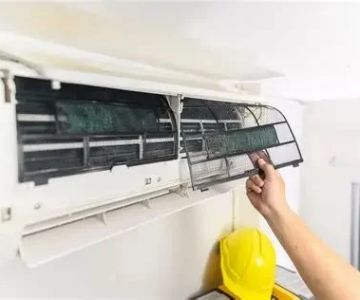
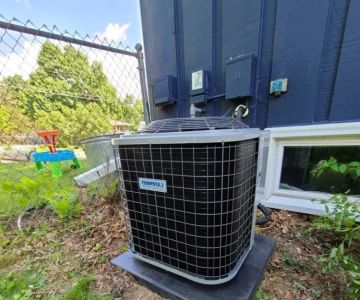
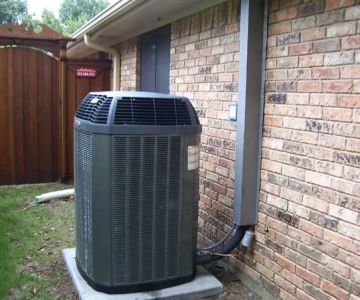
 Blowin Cold AC5.0 (123 reviews)
 Raleigh Comfort Services5.0 (1 reviews)
 Endzone Cooling and Heating4.0 (30 reviews)
 Brownsville HVAC Services5.0 (9 reviews)
 The Comfort Guardians5.0 (25 reviews)
 Burtzo Mechanical5.0 (30 reviews)
 Best Services That Cheap AC Fix Near You Today
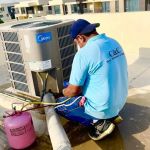 Best Services to Get Your AC Fixed Near You Today | Ac Fix
 How to Handle an Air Conditioner That Is Blowing Warm Air Instead of Cool
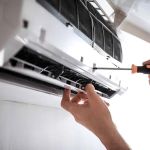 Complete Guide: Fix Air Conditioning for Homeowners in 2025
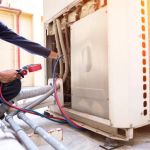 How to Check Your Air Conditioner’s Electrical System for Common Problems
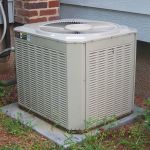 Air Conditioner Troubleshooting: How to Identify a Faulty Condenser Fan