
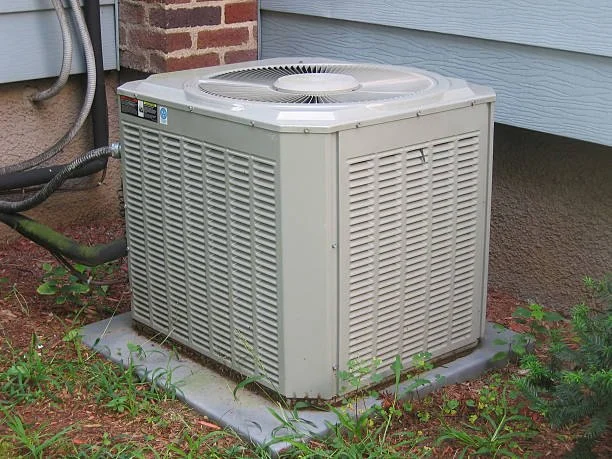
- 1. Introduction: Understanding the Role of the Condenser Fan in Your AC
- 2. Common Symptoms of a Faulty Condenser Fan
- 3. How to Diagnose a Faulty Condenser Fan
- 4. Solutions to Fix a Faulty Condenser Fan
- 5. Real-Life Case: Troubleshooting a Faulty Condenser Fan
- 6. Get Professional Help with AC Repairs at Ac Fix
1. Introduction: Understanding the Role of the Condenser Fan in Your AC
In an air conditioning unit, the condenser fan plays a vital role in dissipating the heat absorbed by the refrigerant. It is responsible for blowing air through the condenser coils, where heat from inside your home is transferred to the outside air. Without a functioning condenser fan, your air conditioner can’t expel heat properly, which may lead to system inefficiency or complete failure. In this article, we’ll discuss how to identify a faulty condenser fan and what to do when this part of your AC breaks down.
2. Common Symptoms of a Faulty Condenser Fan
When the condenser fan starts to fail, your air conditioner will show specific signs. Recognizing these symptoms early can save you time and money on repairs. Here are some common indicators of a faulty condenser fan:

1. The AC is Not Cooling Properly
If you notice that your AC is running but not cooling the room as effectively as before, the condenser fan could be the culprit. Without proper airflow, the refrigerant can’t release the heat, causing the air conditioner to blow warm air.
2. Loud or Strange Noises from the Unit
A faulty condenser fan motor can produce unusual noises such as grinding or squealing. These noises often indicate that the fan blades are obstructed, damaged, or that the motor is failing.
3. The Fan is Not Spinning
One of the most obvious signs of a faulty condenser fan is if the fan isn’t spinning at all. This could be due to a faulty motor, a stuck fan blade, or a wiring issue. If the fan is not operating, the heat cannot be expelled properly from the condenser coils, which affects your AC’s cooling performance.
4. Overheating AC Unit
If the condenser fan is not working correctly, the system may overheat. You might notice that the AC unit feels excessively hot to the touch, which can also trigger the system’s built-in safety features to shut it down temporarily.
3. How to Diagnose a Faulty Condenser Fan
If you suspect that your AC’s condenser fan is faulty, follow these steps to diagnose the issue:
1. Turn Off the Power
Before performing any troubleshooting or repairs, always turn off the power to your AC unit to prevent electrical shock or damage to the system.
2. Inspect the Fan Blades
Check the fan blades for any visible damage or obstruction. Ensure that nothing is blocking the fan’s rotation, such as debris, dirt, or leaves. If the blades are damaged, they may need to be replaced.
3. Check the Condenser Fan Motor
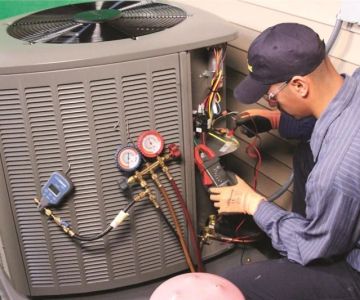
Next, inspect the condenser fan motor. Use a multimeter to check for continuity in the motor’s windings. If the motor is faulty, it will need to be replaced.
4. Examine the Capacitor
The capacitor is a small electrical component that helps the motor start. If the capacitor is faulty, the fan won’t run properly. You can test the capacitor with a multimeter to check for failure. If it’s defective, replace it with a compatible part.
5. Inspect the Wiring
Check all the wiring connections leading to the condenser fan motor. Loose or corroded connections can prevent the fan from operating. If you find any issues with the wiring, repair or replace them as needed.
4. Solutions to Fix a Faulty Condenser Fan
Once you've diagnosed the issue, there are several ways to fix a faulty condenser fan. Here are some common solutions:
1. Cleaning the Fan Blades
If debris or dirt is blocking the fan blades, clean them using a soft brush and a mild detergent. Ensure the blades can spin freely without obstruction. Regular cleaning can help prevent buildup that can damage the fan.
2. Replacing the Fan Motor
If the motor is faulty and cannot be repaired, it’s time to replace it. Ensure that you purchase the correct motor based on your AC model’s specifications. It’s best to hire a professional HVAC technician for this replacement if you're not experienced with electrical repairs.
3. Replacing the Capacitor
If the capacitor is defective, replace it with a new one. Make sure to match the voltage and microfarad (µF) rating with the original capacitor. Improper installation can cause further damage to the system.
4. Professional Repair Services
If you're unsure about how to repair your condenser fan or if the issue persists, it’s best to call a professional HVAC technician. An expert can quickly diagnose the problem and provide the necessary repairs to restore your AC's functionality.
5. Real-Life Case: Troubleshooting a Faulty Condenser Fan
For example, a homeowner in Florida noticed that their AC unit wasn’t cooling the house properly, even though it was running. Upon inspecting the unit, they found the condenser fan wasn’t spinning. After troubleshooting, they identified a worn-out capacitor and replaced it, which resolved the issue and restored proper cooling. This case shows how important regular maintenance and timely diagnosis can be for extending the lifespan of your air conditioner.
6. Get Professional Help with AC Repairs at Ac Fix
If you're facing persistent issues with your AC unit, such as a faulty condenser fan, don’t hesitate to seek professional help. At Ac Fix, we offer expert AC repair services, including diagnosis and repair of condenser fan issues. Our experienced technicians can quickly restore your AC’s functionality and ensure your home stays cool. Visit Ac Fix today for reliable HVAC services!




 Euro-Werks4.0 (56 reviews)
 JM Cooling & Heating5.0 (4 reviews)
 Murphy Company4.0 (41 reviews)
 AC Accuracy Control5.0 (33 reviews)
 Elite Air Cooling4.0 (457 reviews)
 G & L Heating & Air4.0 (22 reviews)
 How to Clean the Drain Line in Your Air Conditioning System
 How to Perform Basic Air Conditioner Troubleshooting on Your Own
 2025 Trends: How People Are Choosing to Air Conditioning Replace Now | Ac Fix
 What to Do When Your Air Conditioner is Short Cycling: Causes and Solutions
 How to Fix an Air Conditioner That’s Blowing Warm Air
 How to Diagnose and Fix Your AC Immediately | Quick Solutions for AC Problems