
- Understanding the AC Condenser
- Common Signs of a Broken Condenser
- Steps to Troubleshoot a Broken Condenser
- How to Repair Your AC Condenser
- When to Call a Professional for Condenser Issues
- Recommendations from Ac Fix
1. Understanding the AC Condenser
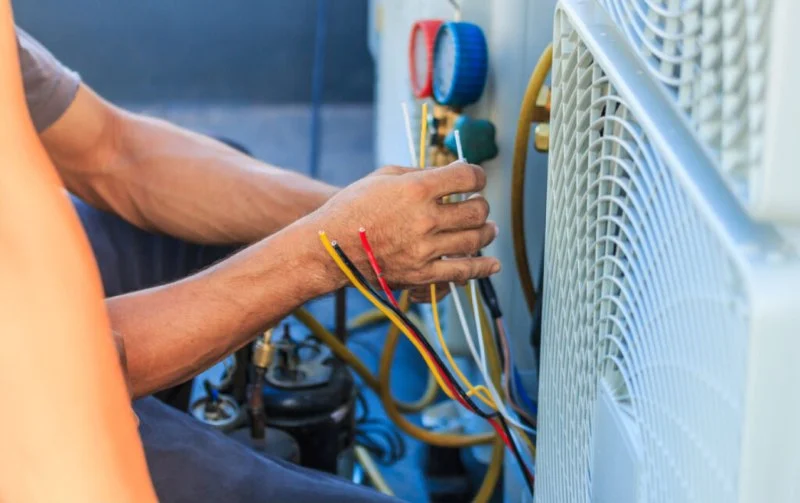
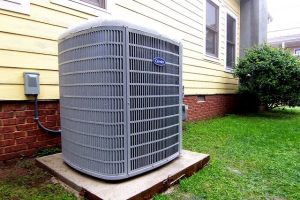
The air conditioner condenser is an essential part of your cooling system. Located outside the home, it works by releasing heat absorbed from the inside of your home to the outside air. The condenser plays a key role in the refrigeration cycle, converting refrigerant from a gas to a liquid state, which then flows back to the evaporator coil to cool your home.
When the condenser fails or becomes damaged, your air conditioner will struggle to cool your home effectively. Understanding how the condenser works can help you better troubleshoot and identify issues that may arise with your AC system.
2. Common Signs of a Broken Condenser
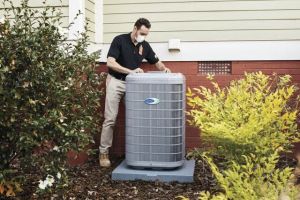
If your air conditioner isn't working properly, the condenser might be the culprit. Here are some common signs that indicate your AC condenser might be broken or malfunctioning:
1. Warm Air Blowing from the Vents
If your AC unit is blowing warm air instead of cool air, it may be a sign that the condenser isn't working properly. Without the condenser releasing heat from the refrigerant, your cooling system can't function as intended.
2. AC Unit Not Turning On
If your air conditioner fails to start or responds slowly when turned on, the issue could lie with the condenser. A broken or malfunctioning condenser can prevent the compressor from starting, stopping the cooling cycle altogether.
3. Strange Noises from the Unit
Unusual sounds, such as hissing, buzzing, or rattling, often indicate that the condenser is malfunctioning. These noises may be caused by refrigerant leaks, debris in the condenser fan, or electrical issues affecting the condenser components.
4. Excessive Ice Buildup
While some frost on the evaporator coil is normal, excessive ice buildup on the condenser can be a sign of a serious problem. This may happen when the refrigerant is low, causing the system to freeze up.
3. Steps to Troubleshoot a Broken Condenser
If you suspect that your AC condenser is malfunctioning, follow these troubleshooting steps to identify the issue:
1. Check the Power Supply
Ensure that the AC unit is receiving power. Check the circuit breaker and make sure that the unit is plugged in properly. If there is a power issue, the condenser may not be operating correctly.
2. Inspect the Condenser Coils
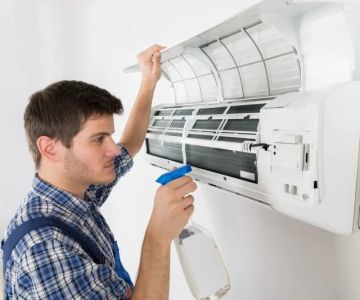
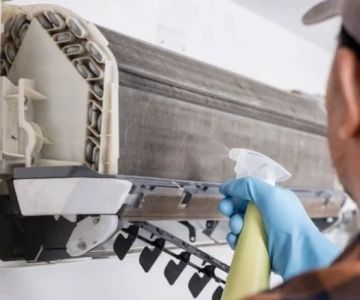
Over time, dirt, debris, and grime can accumulate on the condenser coils, causing reduced efficiency and potentially leading to breakdowns. Clean the coils carefully with a soft brush or hose to remove any buildup. Be sure to power off the AC before attempting any cleaning.
3. Examine the Condenser Fan
The fan inside the condenser unit helps release heat into the air. If the fan is obstructed by debris or malfunctioning, it can prevent proper heat release. Inspect the fan for any blockages, and ensure that it is spinning freely without any mechanical issues.
4. Check for Refrigerant Leaks
Low refrigerant levels can cause the condenser to malfunction. If you notice a drop in cooling efficiency, check for signs of refrigerant leaks. If you suspect a leak, you’ll need a professional to refill the refrigerant and fix the leak.
4. How to Repair Your AC Condenser
Depending on the issue, there are several ways to repair your AC condenser. However, some repairs should only be performed by professionals. Here's a basic overview of how to fix common condenser issues:
1. Clean the Condenser Coils
If dirt or debris is obstructing the condenser coils, clean them carefully using a soft brush or air compressor. This is a straightforward repair that can significantly improve the efficiency of your AC system.
2. Fix or Replace the Condenser Fan
If the condenser fan is damaged or not working correctly, it may need to be replaced. If the fan is obstructed, remove any debris blocking the blades. In some cases, a professional technician may need to repair or replace the fan motor.
3. Recharge the Refrigerant
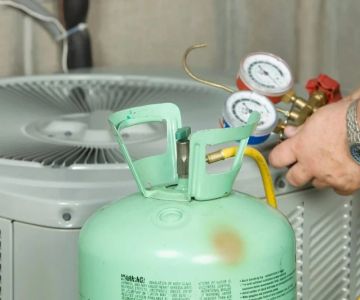
If the refrigerant level is low, it can cause the condenser to malfunction. Recharging the refrigerant is a task that should be handled by a licensed technician. They will use specialized equipment to refill the refrigerant and ensure that your system is working correctly.
4. Repair Leaks in the System
If you have a refrigerant leak, it will need to be repaired by a professional. They will locate the leak and fix it, then recharge the system with the proper amount of refrigerant.
5. When to Call a Professional for Condenser Issues
While some simple tasks, like cleaning the condenser coils, can be done by homeowners, more complex repairs should be left to a professional. If you encounter any of the following issues, it's time to call an HVAC technician:
1. Refrigerant Leaks
Handling refrigerant requires specialized equipment and expertise. If you suspect a refrigerant leak, contact a professional who can locate and fix the issue safely.
2. Electrical Problems
If you notice electrical issues, such as blown fuses or the condenser not turning on, it’s best to call a technician to avoid potential fire hazards or further damage to the system.
3. Major Mechanical Issues
If the condenser fan motor is damaged or the condenser itself is beyond repair, a professional will have the tools and experience to replace or repair the system efficiently.
6. Recommendations from Ac Fix
If you’re dealing with air conditioner condenser issues and need high-quality tools or professional help, visit Ac Fix. We offer a wide selection of products and services to help you troubleshoot, maintain, and repair your AC system. From condenser cleaning tools to professional HVAC repair services, Ac Fix has everything you need to get your AC system back up and running smoothly.
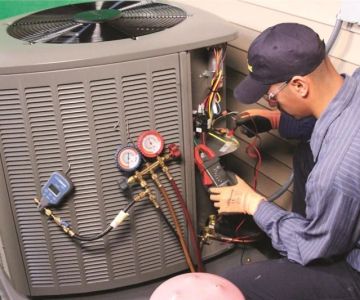
 Euro-Werks4.0 (56 reviews)
 JM Cooling & Heating5.0 (4 reviews)
 Murphy Company4.0 (41 reviews)
 AC Accuracy Control5.0 (33 reviews)
 Elite Air Cooling4.0 (457 reviews)
 G & L Heating & Air4.0 (22 reviews)
 How to Clean the Drain Line in Your Air Conditioning System
 How to Perform Basic Air Conditioner Troubleshooting on Your Own
 2025 Trends: How People Are Choosing to Air Conditioning Replace Now | Ac Fix
 What to Do When Your Air Conditioner is Short Cycling: Causes and Solutions
 How to Fix an Air Conditioner That’s Blowing Warm Air
 How to Diagnose and Fix Your AC Immediately | Quick Solutions for AC Problems