
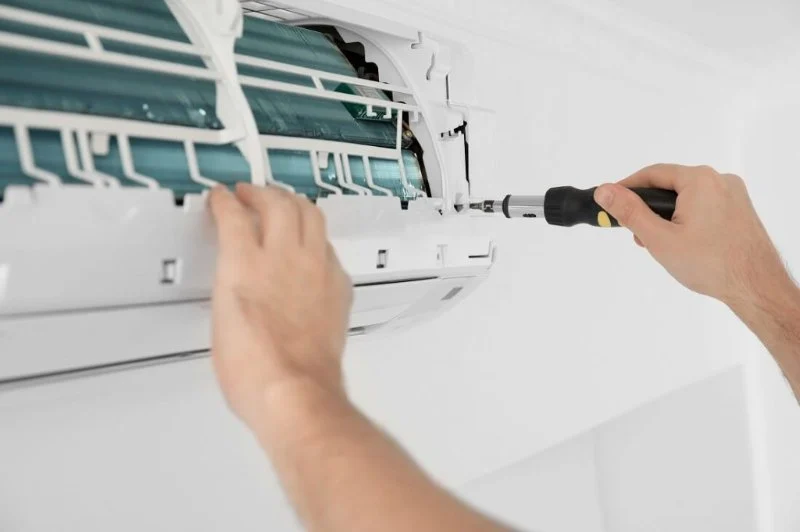
1. Understanding Air Conditioner Short Cycling
Air conditioner short cycling is a common issue that can disrupt the cooling of your home and lead to increased energy bills. Short cycling occurs when the air conditioner turns on and off rapidly without completing a full cooling cycle. This not only affects your home's comfort but also puts unnecessary strain on your system, potentially leading to costly repairs.

Book Heating & Cooling Inc
Floyds KnobsFloyd CountyIndiana
3584 Scottsville Rd, Floyds Knobs, IN 47119, USA
2. Common Causes of Short Cycling
- Dirty Air Filter: The Blockage Problem
- Thermostat Problems: Misreading the Temperature
- Low Refrigerant: Cooling Efficiency Loss
- Overheating Compressor: A System Breakdown
2.1 Dirty Air Filter: The Blockage Problem
One of the most common causes of short cycling is a dirty or clogged air filter. Air filters are designed to trap dirt, dust, and debris to prevent them from entering the AC system. However, when the filter becomes clogged, it restricts airflow, causing the air conditioner to overheat and shut down prematurely. This short cycling is the system’s way of protecting itself from further damage.
To fix this, replace or clean the air filter regularly—at least once every 1-3 months, depending on usage. A clean air filter ensures proper airflow, improving efficiency and preventing short cycling.
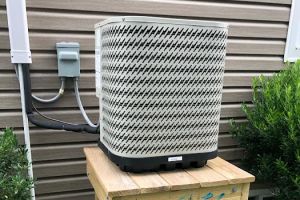
2.2 Thermostat Problems: Misreading the Temperature
A malfunctioning thermostat can also cause short cycling. If the thermostat is incorrectly calibrated or has a faulty sensor, it may read the room temperature incorrectly, turning the AC on and off unnecessarily. For instance, if the thermostat reads the room as being too warm when it’s actually cool, it may shut off the unit too soon, leading to short cycling.
To address thermostat issues, check if it’s properly calibrated. If the problem persists, you may need to replace the thermostat or have it recalibrated by a professional technician.
2.3 Low Refrigerant: Cooling Efficiency Loss
Low refrigerant levels can lead to a variety of issues, including short cycling. If there’s a leak in the refrigerant line or if the refrigerant level is too low, the air conditioner can’t effectively cool the air, causing it to shut off prematurely. Over time, this puts unnecessary stress on the compressor and other components.
If you suspect refrigerant issues, it’s crucial to call a licensed HVAC technician. Handling refrigerant requires specialized knowledge, and a technician will be able to locate the leak and recharge the system safely.
2.4 Overheating Compressor: A System Breakdown
The compressor is the heart of your air conditioning system, and if it overheats, it can trigger short cycling. Overheating can occur due to a number of reasons, such as poor airflow, dirty coils, or an aging compressor. When the compressor overheats, it may shut off automatically to prevent further damage.
If you’re experiencing compressor overheating, it’s best to contact a professional for a thorough inspection. An HVAC technician can clean the coils, check for blockages, and assess whether the compressor needs to be repaired or replaced.
3. Solutions to Fix Short Cycling
- Regular Maintenance: The Key to Preventing Short Cycling
- Professional Repair: When to Call the Experts
3.1 Regular Maintenance: The Key to Preventing Short Cycling
The best way to prevent short cycling and other AC problems is through regular maintenance. Regularly servicing your air conditioner helps to identify potential issues before they become major problems. An annual inspection by a qualified technician can ensure that your system is operating efficiently, and components like the filter, coils, and refrigerant levels are in good condition.
Additionally, cleaning and replacing air filters, checking the thermostat, and inspecting the ducts can help maintain your air conditioner’s performance and prevent issues like short cycling from arising in the first place.
3.2 Professional Repair: When to Call the Experts
While basic maintenance tasks can be handled by homeowners, certain problems—such as low refrigerant, compressor issues, or electrical faults—require professional intervention. Attempting to fix these problems yourself can lead to more damage and potentially void any warranties on your system.
If your air conditioner continues to short cycle despite regular maintenance, or if you suspect issues beyond your control, it’s time to call in an HVAC professional. They have the tools and expertise to diagnose and repair the issue efficiently, restoring your system to optimal performance.
4. Case Study: A Homeowner's Experience with AC Short Cycling
John, a homeowner in Florida, noticed his air conditioner was turning off and on every few minutes, which made it difficult to keep his home cool. He first tried replacing the air filter himself, but the short cycling continued. After consulting with an HVAC technician, he discovered that the issue was caused by low refrigerant levels. The technician promptly recharged the system, and the short cycling stopped.
John’s experience highlights the importance of professional diagnosis and repair when dealing with AC issues. While some problems can be solved with simple maintenance, others require the expertise of a trained technician to ensure the system operates smoothly and efficiently.
If you’re facing air conditioning problems, don’t wait for the issue to worsen. Visit Ac Fix for expert repair services and advice on keeping your system in top condition.
 Ferguson Plumbing Supply4.0 (4 reviews)
 D & D LLC4.0 (394 reviews)
 Sears Heating and Air Conditioning0.0 (0 reviews)
 Blue Mountain Plumbing, Heating & Cooling4.0 (358 reviews)
 Town and Country Heating and Air4.0 (29 reviews)
 Texas Choice Heating And Air4.0 (298 reviews)
 Complete Guide: Fix AC Unit for Homeowners in 2025
 10 Signs It's Time to Fix Your Air Conditioner: Expert Guide
 How to Fix Air Conditioning Issues Immediately | Expert Repair Tips
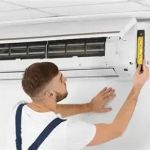 Pros and Cons of Trying to Fix Your AC Unit on Your Own
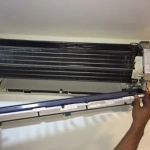 How Long Should It Take to Fix a Cheap AC? | AC Fix
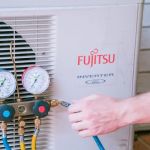 Who Should You Trust When You Need to Fix AC Condenser?