
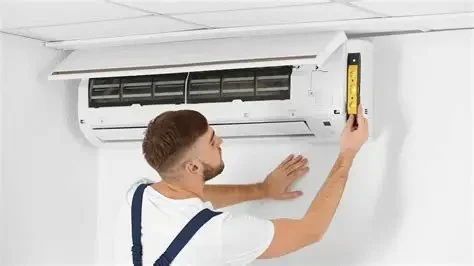
Pros and Cons of Trying to Fix Your AC Unit on Your Own
- 1. Why You Might Consider Fixing Your AC Yourself
- 2. Pros of DIY AC Repair
- 3. Cons of DIY AC Repair
- 4. When to Call a Professional for AC Repair
- 5. How to Get the Right Parts for AC Repair
1. Why You Might Consider Fixing Your AC Yourself
When your air conditioning (AC) unit breaks down, it’s tempting to try fixing it yourself, especially if you're trying to save money on repair costs. The thought of avoiding labor fees and gaining the satisfaction of solving the issue on your own can be appealing. Additionally, with numerous resources and guides available online, more and more homeowners feel empowered to handle small AC repairs themselves.
However, while DIY repair might seem like a good idea, it's essential to consider the complexity of your AC system and the specific issue you're dealing with. Some problems might be simple and require just a few basic tools, while others might require specialized knowledge and equipment. Before attempting any repairs, it's vital to assess whether you have the necessary skills and knowledge to avoid making the problem worse.
2. Pros of DIY AC Repair
There are several benefits to tackling an AC repair yourself, provided the issue is something manageable. Below are some advantages of DIY AC repair:
- Cost Savings: One of the main reasons people consider fixing their AC themselves is to save money. DIY repairs eliminate the need to pay for labor, which can be a significant portion of the repair cost.
- Immediate Action: DIY repairs allow you to fix the problem as soon as it arises without waiting for a technician to schedule an appointment. This can be especially helpful if you're dealing with hot weather and need your AC working quickly.
- Learning Experience: By fixing your AC yourself, you gain valuable knowledge about how your air conditioning system works. This can be helpful for future repairs and might save you time and money in the long run.
- Satisfaction of Self-Reliance: Successfully diagnosing and fixing an issue with your AC gives you a sense of accomplishment and self-sufficiency.
For minor issues like changing air filters or cleaning coils, DIY repairs can be an effective and rewarding approach to keep your AC running smoothly.
3. Cons of DIY AC Repair
While DIY repairs have their advantages, there are several potential drawbacks to fixing your AC unit yourself, especially if you're not familiar with how air conditioning systems work. Here are some of the risks and downsides of DIY AC repairs:
- Risk of Further Damage: Without proper knowledge and tools, it's easy to accidentally cause more damage to your AC system. For example, attempting to repair a refrigerant leak or incorrectly handling electrical components can lead to more extensive damage that is expensive to fix.
- Void Warranty: Many AC systems come with a manufacturer's warranty that could be voided if you attempt a DIY repair. If something goes wrong after the repair, you may end up having to pay for repairs out-of-pocket instead of having them covered under warranty.
- Safety Concerns: AC repair can involve handling refrigerants, electricity, and complex components. If you're not trained, you could be putting yourself at risk of injury or exposure to harmful substances, such as refrigerants that require proper handling and disposal.
- Lack of Expertise: While there are many online guides and tutorials available, a lack of experience can make it difficult to accurately diagnose and fix the issue. A professional technician has the training and experience to identify problems that may not be immediately apparent to a novice.
While DIY repairs can work for some issues, it's important to weigh the risks and benefits carefully before deciding to tackle a repair on your own.
4. When to Call a Professional for AC Repair
There are times when calling a professional AC technician is the best decision. Here are some situations where you should leave the repair to the experts:
- Complex Issues: If your AC is leaking refrigerant, has a broken compressor, or has electrical problems, it's best to call a professional. These repairs often require specialized knowledge and equipment.
- Uncertain Diagnosis: If you’ve tried diagnosing the problem but are unsure of the cause, it’s better to call a technician. They have the tools and experience to quickly pinpoint the issue and fix it correctly.
- When Your System is Under Warranty: If your AC unit is still under warranty, it's best to avoid DIY repairs to ensure the warranty remains valid. A professional repair ensures that you won't accidentally void your warranty.
While DIY repairs can be tempting, when it comes to complex issues or problems beyond your expertise, it's always safer and more effective to call a licensed professional.
5. How to Get the Right Parts for AC Repair
If you choose to fix your AC yourself, ensuring you have the right parts is crucial for the repair's success. Here are some tips for sourcing the correct components:
- Use OEM Parts: When replacing parts like compressors, condensers, or coils, always opt for OEM (Original Equipment Manufacturer) parts. These parts are designed to fit your AC model and ensure compatibility and performance.
- Check the Model Number: Always know your AC's make and model number before purchasing parts. Using the wrong part can lead to further damage or ineffective repairs.
- Buy from Reputable Sources: Purchase parts from authorized dealers or well-reviewed online stores to ensure you're getting quality components.
Getting the right parts is essential for a successful repair. For more guidance and recommendations on the best parts for your AC system, visit AC Fix for quality products and services.
 Cornerstone AC & Heating4.0 (15 reviews)
 TemperaturePro Charleston4.0 (334 reviews)
 Pioneer Heating & Air Services5.0 (11 reviews)
 Adas Auto Repair & Towing4.0 (65 reviews)
 A/C Doctors Inc.4.0 (470 reviews)
 SERVPRO of Alexandria4.0 (42 reviews)
 Fastest Way to Fix AC Unit Without Getting Overcharged in the US
 How Long Should It Take to Fix an Air Conditioning Leak?
 Top Ways to Fix Your AC Quickly and Affordably in Your Area
 How to Fix Air Conditioners Without Spending a Fortune
 Best Practices for a Successful and Affordable AC Fix
 Where to Fix Air Conditioning in Emergency Situations: Quick Solutions