
- 1-Understanding-DIY-Air-Conditioning-Repairs
- 2-Benefits-of-Fixing-Your-AC-Yourself
- 3-Risks-and-Drawbacks-of-DIY-AC-Repairs
- 4-Common-Repairs-Homeowners-Try
- 5-Real-Life-Experience-and-Lessons-Learned
- 6-When-You-Should-Call-a-Professional
- 7-Balancing-DIY-and-Expert-Help
1. Understanding DIY Air Conditioning Repairs
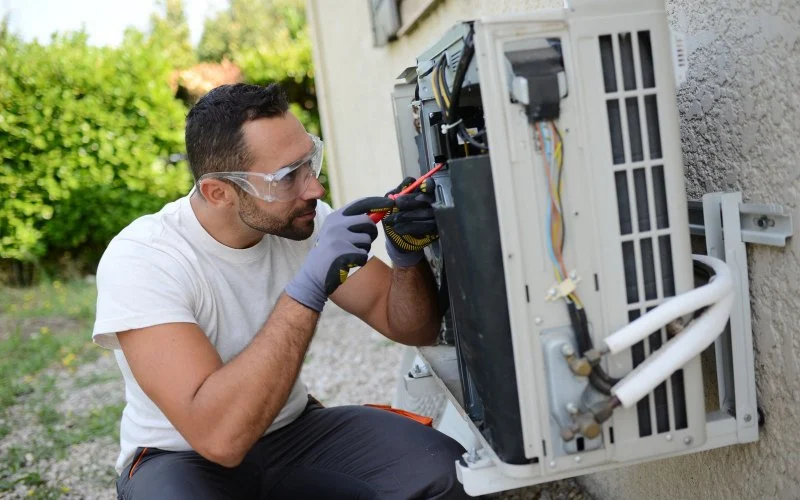
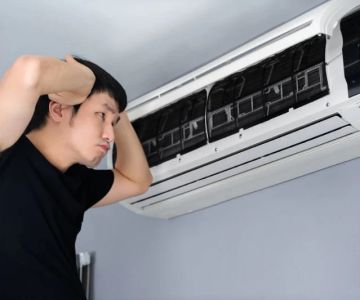
When summer heat hits hard, many homeowners begin searching for ways to fix their cooling systems without calling a technician. The idea of saving money and solving problems independently makes DIY repairs appealing. However, understanding the pros and cons of DIY air conditioning repairs is essential before picking up a screwdriver.

1.1 What DIY AC repair really means
1. It involves diagnosing and fixing issues without professional help.
2. It often relies on online tutorials and basic tools.
3. It ranges from simple maintenance to complex troubleshooting.

1.2 Why homeowners consider it
1. Rising service costs encourage self-repair attempts.
2. Easy access to information increases confidence.
3. Immediate solutions are attractive during emergencies.
While DIY repairs can be effective in some cases, they are not always the safest or most efficient solution.
2. Benefits of Fixing Your AC Yourself
DIY repairs offer several advantages that make them appealing to homeowners.
2.1 Cost savings and affordability
1. Eliminates labor costs.
2. Only requires purchasing parts or tools.
3. Helps reduce overall maintenance expenses.
2.2 Faster response time
1. Immediate action without waiting for appointments.
2. Helpful during peak summer when technicians are busy.
3. Prevents discomfort from prolonged system downtime.
2.3 Learning and empowerment
1. Builds confidence in handling home systems.
2. Improves understanding of HVAC basics.
3. Encourages proactive maintenance habits.
Many homeowners turn to resources like Ac Fix to better understand basic troubleshooting steps and find suitable tools or replacement parts.
3. Risks and Drawbacks of DIY AC Repairs
Despite the benefits, DIY air conditioning repairs come with significant risks that should not be overlooked.
3.1 Safety concerns
1. Electrical components can be dangerous.
2. Improper handling may lead to injury.
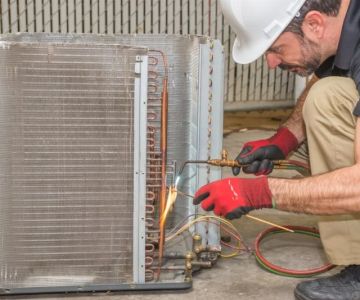
3. Refrigerant exposure can be harmful.
3.2 Potential for costly mistakes
1. Misdiagnosing the problem can worsen damage.
2. Incorrect repairs may lead to system failure.
3. Fixing errors later can cost more than professional service.
3.3 Warranty and compliance issues
1. DIY work may void manufacturer warranties.
2. Some repairs require licensed professionals by law.
3. Non-compliance can lead to additional expenses.
Understanding these risks is crucial before deciding to handle repairs independently.
4. Common Repairs Homeowners Try
Not all repairs are equally complex. Some tasks are relatively safe, while others require expertise.
4.1 Basic maintenance tasks
1. Replacing air filters.
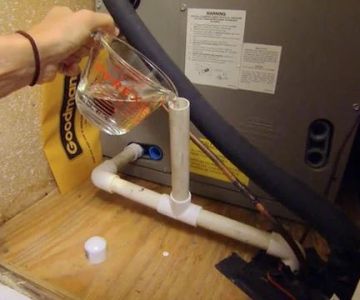
2. Cleaning condenser coils.
3. Clearing debris around outdoor units.
4.2 Intermediate troubleshooting
1. Resetting circuit breakers.
2. Checking thermostat settings.
3. Inspecting visible wiring issues.
4.3 High-risk repairs
1. Refrigerant refilling.
2. Compressor replacement.
3. Electrical system repairs.
Knowing the difference between safe and risky tasks can prevent unnecessary complications.
5. Real-Life Experience and Lessons Learned
A homeowner in Arizona attempted to fix their AC unit after it stopped cooling during a heatwave. After watching several online tutorials, they tried to recharge the refrigerant themselves.
1. The initial issue was actually a clogged filter, not low refrigerant.
2. Incorrect handling caused additional pressure imbalance.
3. The system eventually shut down completely.
After consulting professionals through Ac Fix, the homeowner realized that a simple maintenance issue had turned into a costly repair. This experience highlights the importance of accurate diagnosis and knowing your limits.
6. When You Should Call a Professional
Some situations clearly require expert intervention to ensure safety and effectiveness.
6.1 Signs of serious system issues
1. Unusual noises or burning smells.
2. Frequent system shutdowns.
3. Significant decrease in cooling performance.
6.2 Technical complexity
1. Issues involving refrigerant handling.
2. Electrical component failures.
3. Internal mechanical problems.
6.3 Long-term system protection
1. Professional repairs ensure proper functioning.
2. Reduces risk of recurring issues.
3. Helps maintain warranty coverage.
Calling a professional at the right time can prevent small issues from becoming major expenses.
7. Balancing DIY and Expert Help
The best approach often lies between doing everything yourself and relying entirely on professionals.
7.1 Smart DIY strategies
1. Focus on basic maintenance tasks.
2. Learn how your system operates.
3. Avoid high-risk repairs.
7.2 Knowing your limits
1. Recognize when a problem is beyond your expertise.
2. Avoid guesswork that could worsen issues.
3. Seek guidance when unsure.
7.3 Combining resources for better results
1. Use trusted platforms like Ac Fix for reliable information.
2. Invest in regular professional inspections.
3. Stay proactive about system maintenance.
By understanding the pros and cons of DIY air conditioning repairs, homeowners can make informed decisions that balance cost, safety, and long-term performance.
 First Quality Air & Cooling5.0 (4 reviews)
 Weavers Heating and Air, Inc4.0 (16 reviews)
 Bobby J’s HVAC and Gas5.0 (1 reviews)
 Parks Heating, Cooling, Plumbing, & Electrical4.0 (2843 reviews)
 A-1 Better Handyman Heating & Air also DBA as Russ Turner Heating and air4.0 (51 reviews)
 Yulu Air Conditioning LLC5.0 (56 reviews)
 Can You Fix a Central Air Conditioning Unit Without Replacing the Entire System? | Ac Fix
 How to Troubleshoot Your Air Conditioner’s Refrigerant Issues
 Affordable Companies That Fix Central Air Conditioning Units Near You
 Experts Explain How to Fix AC Unit Like a Pro
 How to Keep Your Air Conditioner Running Efficiently All Year
 Experts Explain How to Fix Air Conditioning Leaks Like a Pro