
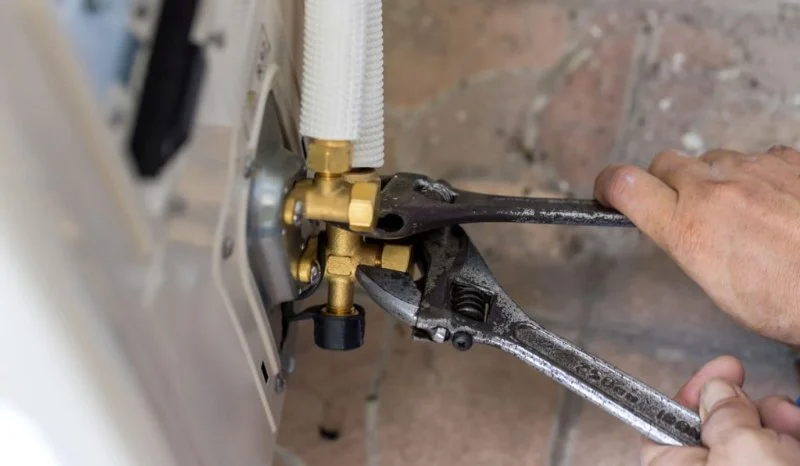
- 1. Understanding the Causes of Air Conditioning Leaks
- 2. Essential Tools for Fixing an AC Leak
- 3. Step-by-Step Guide to Fixing an AC Leak
- 4. When to Call a Professional for AC Leak Repair
- 5. Preventing Future Air Conditioning Leaks
- 6. Final Thoughts and Tips
1. Understanding the Causes of Air Conditioning Leaks
Before you begin fixing an air conditioning leak, it's important to understand what causes leaks in the first place. AC leaks can be caused by a variety of issues, including damaged refrigerant lines, clogged condensate drains, or faulty seals. These leaks can cause your system to lose cooling power and efficiency, leading to higher energy bills and system failure if not addressed promptly.
Common causes of AC leaks include:
- Refrigerant Leaks: A hole in the refrigerant line can lead to a slow or fast leak, compromising the cooling ability of your system.
- Clogged Condensate Drains: When the drain becomes clogged with dirt, algae, or mold, it can cause water to back up and leak inside your system.
- Damaged Seals: If the seals around your AC unit are damaged, they can allow moisture to seep into the system, leading to leaks.
2. Essential Tools for Fixing an AC Leak
To fix an air conditioning leak, you'll need the right tools. Here's a list of the essential tools you'll need to tackle the repair:
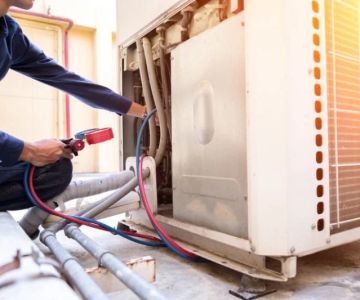
- Refrigerant Leak Detector: This device helps detect the location of refrigerant leaks in your AC system.
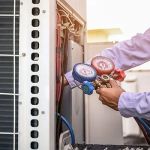
- Pressure Gauge: Used to measure the refrigerant levels in your system.
- Sealant: A sealant designed for use in HVAC systems can help temporarily seal small leaks in refrigerant lines.
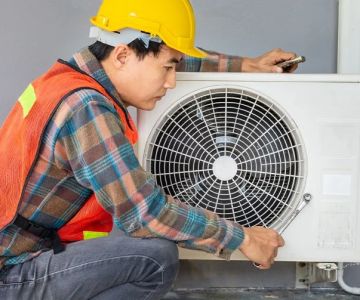
- Wrenches and Screwdrivers: These are necessary for opening panels and loosening bolts on your AC unit.
- Pump and Vacuum Equipment: Essential for evacuating the refrigerant from the system safely before any repairs are made.
3. Step-by-Step Guide to Fixing an AC Leak
Once you've identified the source of the leak and gathered the necessary tools, follow these steps to fix the air conditioning leak:
- Turn Off the Power: Before you begin any repairs, make sure to turn off the power to the AC unit to prevent electrical shock.
- Locate the Leak: Use a refrigerant leak detector or soapy water to locate the leak in the refrigerant lines or the condensate drain.
- Repair the Leak: For small leaks, you can apply a sealant to the affected area. For larger leaks, you may need to replace the damaged refrigerant line or component.
- Replenish Refrigerant: After sealing the leak, you’ll need to add refrigerant to restore the proper cooling pressure in your system. Use the pressure gauge to check the levels.
- Test the System: Turn the AC back on and check for leaks. If the leak is fixed and the system is working properly, your repair is complete.
4. When to Call a Professional for AC Leak Repair
While some air conditioning leaks can be fixed with DIY methods, there are certain situations when you should call a professional HVAC technician. These include:
- Refrigerant Leaks: If your AC is leaking refrigerant, it’s essential to call a professional. Handling refrigerant requires specialized knowledge and equipment, and improper handling can be harmful.
- Major Component Damage: If the leak is coming from a major component, such as the compressor, it’s best to let a professional handle the repair.
- Lack of Knowledge: If you're unfamiliar with the inner workings of an AC unit, it's safer to leave the repair to a professional to avoid further damage.
5. Preventing Future Air Conditioning Leaks
Prevention is key when it comes to avoiding future air conditioning leaks. Here are some tips to help maintain your system:
- Regular Maintenance: Schedule annual maintenance with an HVAC technician to keep your AC in top condition. This includes cleaning the condensate drain and checking refrigerant levels.
- Keep the Area Clean: Ensure that the area around your AC unit is clear of debris, dust, and dirt that could clog the condensate drain or damage components.
- Use a Dehumidifier: A dehumidifier can help reduce moisture levels in your home, preventing excess condensation that can lead to leaks.
6. Final Thoughts and Tips
Fixing an air conditioning leak can be a manageable task if approached carefully with the right tools and knowledge. If you follow the steps outlined above, you can solve smaller leaks on your own. However, for more serious issues, it’s always a good idea to consult with a professional. A well-maintained AC system will not only improve comfort in your home but also extend the lifespan of your unit.
For more information on air conditioning repairs, tips, and product recommendations, visit Ac Fix.

 Cornerstone AC & Heating4.0 (15 reviews)
 TemperaturePro Charleston4.0 (334 reviews)
 Pioneer Heating & Air Services5.0 (11 reviews)
 Adas Auto Repair & Towing4.0 (65 reviews)
 A/C Doctors Inc.4.0 (470 reviews)
 SERVPRO of Alexandria4.0 (42 reviews)
 Fastest Way to Fix AC Unit Without Getting Overcharged in the US
 How Long Should It Take to Fix an Air Conditioning Leak?
 Top Ways to Fix Your AC Quickly and Affordably in Your Area
 How to Fix Air Conditioners Without Spending a Fortune
 Best Practices for a Successful and Affordable AC Fix
 Where to Fix Air Conditioning in Emergency Situations: Quick Solutions