
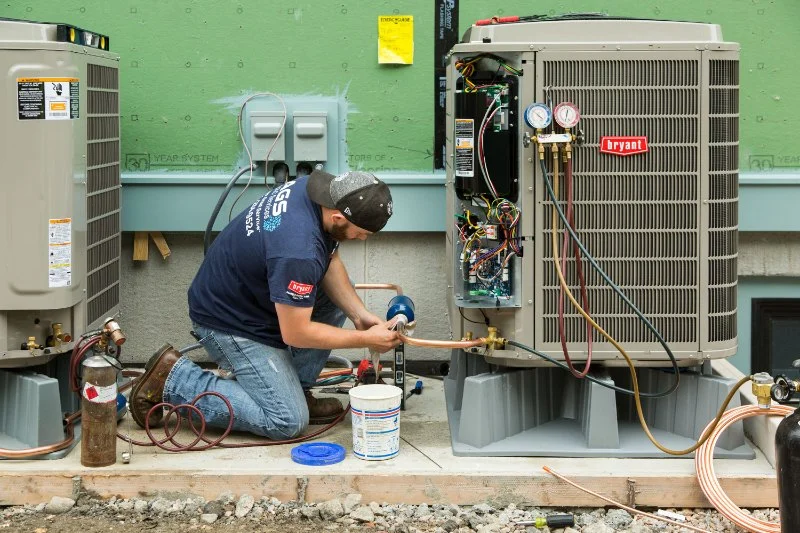
Can You Fix a Central Air Conditioning Unit Without Replacing the Entire System?
- Why AC Systems Fail
- Common Problems and Repair Solutions
- When to Replace Your AC System
- Cost of Repair vs. Replacement
- How to Maintain Your AC Unit
If your central air conditioning (AC) unit is malfunctioning, you might be wondering whether it's necessary to replace the entire system or if you can simply fix the issue. The good news is that in many cases, AC systems can be repaired without a full replacement. This article explores the common reasons why AC units fail, the problems you can repair, and when it might be better to invest in a replacement. We'll also discuss how you can save money by choosing the right repair options and maintaining your unit to extend its lifespan.

Masters Heating & Air Conditioning
AhoskieHertford CountyNorth Carolina
980 S Academy St, Ahoskie, NC 27910, USA
1. Why AC Systems Fail
Understanding the reasons behind an AC system failure can help you determine whether a repair is possible or a replacement is required. Here are some of the most common causes of AC system failure:
- Refrigerant Leaks: Leaks in the refrigerant lines are one of the most common issues. When the refrigerant level drops, your AC cannot cool your home effectively. A technician can often repair the leak and recharge the refrigerant.
- Clogged Air Filters: Air filters trap dust, dirt, and debris, but over time they can become clogged. When air filters are dirty or clogged, airflow is restricted, causing the unit to overheat and fail. Replacing or cleaning the filters can often resolve this problem.
- Frozen Coils: The evaporator coils in your AC can freeze up due to a lack of airflow, refrigerant issues, or dirty filters. This can cause the unit to stop cooling. Often, cleaning the coils and fixing airflow issues can resolve the problem.
- Electrical Failures: Electrical issues such as faulty wiring, blown fuses, or malfunctioning capacitors can cause the AC unit to stop working. These issues can often be repaired by an HVAC technician without needing to replace the entire system.
- Old Age: As an AC unit ages, its components wear out. While regular maintenance can help extend its life, eventually the system may become less efficient or prone to failure, making repairs more frequent.
Many of these problems can be fixed with a simple repair, and in some cases, you can avoid the high cost of replacing your entire system.

2. Common Problems and Repair Solutions
Here are some of the most common issues you might encounter with your central AC unit and the solutions that could help:
- Low Refrigerant: If your AC is low on refrigerant, it can be recharged by a technician. This typically involves identifying and repairing any leaks in the refrigerant lines.
- Dirty Air Filters: Cleaning or replacing the air filters is an easy fix. This should be done regularly (every 1-3 months) to maintain optimal airflow and efficiency.
- Frozen Coils: If you notice a frozen coil, it's important to turn off the system and let the coil thaw. Once thawed, cleaning the coils and ensuring proper airflow will prevent future freezing.
- Broken Thermostat: A malfunctioning thermostat can lead to inaccurate temperature readings and improper cooling. Replacing or recalibrating the thermostat is a quick and cost-effective fix.
- Condensate Drain Problems: If the condensate drain becomes clogged, the unit can malfunction. Flushing the drain line and clearing any obstructions can resolve this issue.
In many cases, these issues are not severe enough to require a full system replacement and can be fixed with a relatively simple repair. Regular maintenance can help prevent these problems from escalating.
3. When to Replace Your AC System
While repairs are often possible, there are certain circumstances where replacing the entire system is more cost-effective and beneficial. Here are some signs that it might be time to replace your AC unit:
- Frequent Repairs: If you're constantly repairing your AC unit, it may be time for a replacement. When the cost of repairs exceeds 50% of the cost of a new system, replacement is often the better option.
- Age of the Unit: Most central AC units last between 10 and 15 years. If your unit is older than this and experiencing frequent problems, replacing the system may be the best long-term solution.
- High Energy Bills: As AC systems age, they lose efficiency. If your energy bills are rising and your unit is not cooling effectively, a more energy-efficient model could help reduce costs in the long run.
- Refrigerant Problems: If your AC uses R-22 refrigerant (which is being phased out) and it needs frequent recharging, it may be time to replace the unit with one that uses more environmentally friendly refrigerants.
In these cases, replacing the system will likely save you money in the long run and ensure that you have a reliable, energy-efficient cooling system.
4. Cost of Repair vs. Replacement
When deciding between repairing or replacing your central AC unit, it's important to consider the costs involved. Here's a general comparison:
- Repair Costs: Simple repairs, such as cleaning filters or fixing a thermostat, are usually inexpensive. However, more complex repairs, such as fixing refrigerant leaks or replacing a compressor, can be more costly. Expect to pay between $150 to $600 for repairs, depending on the issue.
- Replacement Costs: Replacing a central AC unit can cost anywhere from $3,000 to $7,000 or more, depending on the size of your home, the type of unit, and installation costs.
While the upfront cost of replacement is higher, if your system is old and inefficient, investing in a new AC unit can help you save on energy bills and avoid frequent repair costs.
5. How to Maintain Your AC Unit
Proper maintenance can extend the life of your AC system and prevent the need for frequent repairs. Here are some maintenance tips to keep your system running smoothly:
- Regular Filter Changes: Replace or clean your air filters every 1-3 months to maintain optimal airflow.
- Annual Inspections: Have a professional technician inspect your system annually to catch potential issues before they become major problems.
- Clean Coils and Drains: Regularly clean the evaporator coils and condensate drain to ensure proper drainage and efficient operation.
- Check Refrigerant Levels: Ensure that your refrigerant levels are adequate. If your system is low on refrigerant, have it recharged to avoid strain on the system.
By following these maintenance steps, you can help prevent costly repairs and extend the lifespan of your central air conditioning unit.
If you're looking for expert advice or need help with AC repairs or replacements, visit Ac Fix. We offer professional services and quality products to keep your AC running efficiently year-round.

 FIX MY AIR DFW, LLC5.0 (60 reviews)
 LARCO Air Conditioning5.0 (33 reviews)
 Performance HVAC Services LLC5.0 (1 reviews)
 Comfort & Process Solutions4.0 (9 reviews)
 Summa & Tony's Air Conditioning and Heating4.0 (134 reviews)
 Pat Green Heating and Cooling4.0 (304 reviews)
 Who Should You Trust When You Need to Air Conditioning Replace? Tips and Advice
 What to Do When You Need to Fix Your Air Conditioner Immediately
 Complete Guide: Fix Central Air Conditioning Unit for Homeowners in 2025
 Who Should You Trust When You Need to Fix Your Air Conditioning? | Ac Fix
 Top Ways to Fix Your Air Conditioning Quickly and Affordably in Your Area | AC Fix
 How Long Does It Take to Fix My AC? Time Estimates and Factors Explained