
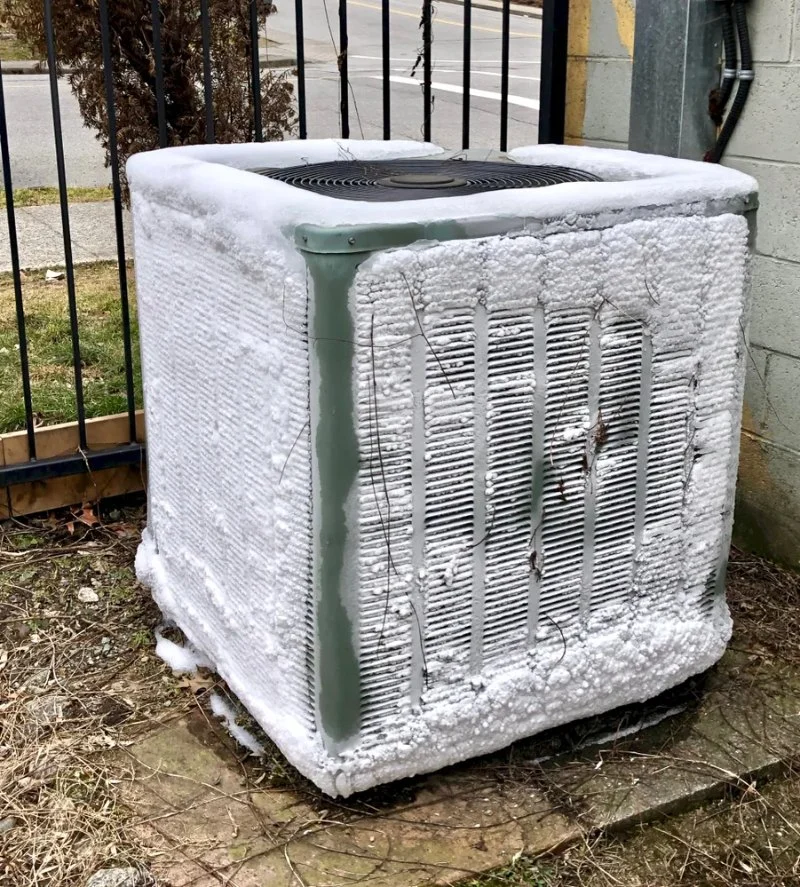
Why Do AC Units Freeze Up?
Excessive ice buildup in your air conditioner is a common issue that can cause poor performance and damage the unit over time. When your AC freezes up, the system is unable to properly circulate air, which may lead to inefficient cooling or complete failure. This can happen in any type of AC unit, whether window, split, or central systems.
Understanding the causes of ice buildup can help you identify the problem early and take steps to prevent it. Here’s an overview of the issue and why it happens:
When warm, moist air passes over the evaporator coil, it cools the air inside your home, and water condenses on the coil. If the temperature in the evaporator coil drops too low, this moisture can freeze and lead to ice buildup. The system will then struggle to operate properly, reducing airflow and cooling efficiency.

Fenwick Home Services
JacksonvilleDuval CountyFlorida
11623 Columbia Park Dr E, Jacksonville, FL 32258, USA
Common Causes of Ice Buildup in AC Units
There are several factors that can cause ice to form inside your AC unit. Some of the most common include:
1. Low Refrigerant Levels: One of the most common causes of ice buildup in AC units is low refrigerant. When the refrigerant levels drop, the evaporator coil can’t absorb enough heat, causing it to freeze.
2. Poor Airflow: Restricted airflow from dirty air filters, clogged vents, or obstructed ducts can prevent air from circulating properly. This results in uneven cooling and can lead to ice formation on the coils.
3. Dirty Coils or Filters: If the evaporator coil or the air filters are clogged with dust and debris, they can’t efficiently absorb heat from the air, causing condensation to freeze and form ice on the coils.
4. Thermostat Problems: If your thermostat is malfunctioning and not accurately reading the temperature, it could cause the unit to run continuously, leading to ice buildup.
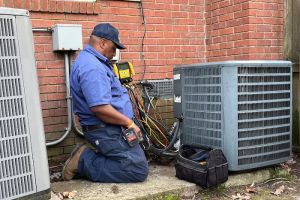
Coshocton Heating & Air Conditioning
1039 Walnut St, Coshocton, OH 43812, USA
How to Fix an AC Unit with Ice Buildup
If your AC unit has excessive ice buildup, it's essential to take action to fix the issue before it leads to long-term damage. Here are the steps you should follow:
1. Turn Off the AC: The first thing you should do is turn off the air conditioner and allow it to defrost. This may take several hours depending on the severity of the ice buildup.
2. Check the Air Filter: Inspect the air filter and replace it if it’s clogged or dirty. Clean or replace the filter regularly to ensure proper airflow and to prevent future freezing issues.
3. Inspect the Coils: If the evaporator coils are covered in ice, they may need to be cleaned. Use a coil cleaner or consult a professional to remove any dust or debris that could be blocking airflow.
4. Check Refrigerant Levels: Low refrigerant levels are a common cause of ice buildup. If you suspect low refrigerant, contact a professional technician to check the levels and recharge the system if necessary.
5. Verify the Thermostat: Make sure your thermostat is working properly and is set to the correct temperature. A malfunctioning thermostat can cause the system to run too long, leading to ice formation. You may need to recalibrate or replace the thermostat if it's faulty.
Preventive Measures to Avoid Ice Buildup
Preventing ice buildup in your AC unit is all about regular maintenance and taking care of the system. Here are a few key tips to keep your AC in good working condition:
1. Replace Air Filters Regularly: Dirty air filters can significantly affect airflow, causing the system to freeze. Replace or clean your filters every 1-3 months to maintain proper airflow.
2. Schedule Regular Maintenance: Have your air conditioner professionally inspected and maintained at least once a year. A technician can check refrigerant levels, clean coils, and ensure everything is functioning properly.
3. Keep Vents and Ducts Clear: Make sure that the vents and ducts in your home are not obstructed by furniture or other objects. Proper airflow is essential for preventing ice buildup.
4. Monitor the Thermostat Settings: Avoid setting your thermostat too low. The optimal temperature for an air conditioner is typically between 72°F and 78°F (22°C - 25°C). Setting it too low can cause the unit to run excessively, leading to freezing.
Real-Life Examples of Ice Buildup in AC Units
Many homeowners encounter issues with AC units freezing up, and real-life cases can help shed light on how common this issue is and how it’s addressed:
In one case, a homeowner in Texas faced consistent ice buildup in their central AC unit during the hot summer months. After troubleshooting, they discovered that the air filter was clogged with dust and pet hair, restricting airflow. Once the filter was replaced, the ice buildup issue was resolved, and the AC unit operated efficiently again.
Another example involved a family in Florida whose AC unit would freeze every time the temperature dropped below 65°F. After an inspection, a technician found that the refrigerant levels were low, and a recharge fixed the problem. The family also learned the importance of scheduling annual maintenance to keep the system running smoothly.



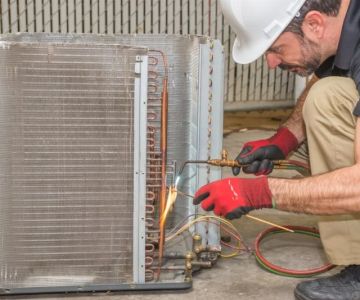
 First Quality Air & Cooling5.0 (4 reviews)
 Weavers Heating and Air, Inc4.0 (16 reviews)
 Bobby J’s HVAC and Gas5.0 (1 reviews)
 Parks Heating, Cooling, Plumbing, & Electrical4.0 (2843 reviews)
 A-1 Better Handyman Heating & Air also DBA as Russ Turner Heating and air4.0 (51 reviews)
 Yulu Air Conditioning LLC5.0 (56 reviews)
 Can You Fix a Central Air Conditioning Unit Without Replacing the Entire System? | Ac Fix
 How to Troubleshoot Your Air Conditioner’s Refrigerant Issues
 Affordable Companies That Fix Central Air Conditioning Units Near You
 Experts Explain How to Fix AC Unit Like a Pro
 How to Keep Your Air Conditioner Running Efficiently All Year
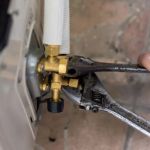 Experts Explain How to Fix Air Conditioning Leaks Like a Pro