
- Common AC Issues and Their Solutions
- Step-by-Step Guide to Fix Your AC Unit Like a Pro
- Tools You Need to Fix Your AC Unit
- When to Call a Professional for AC Repair
- Preventive Maintenance for Your AC
Common AC Issues and Their Solutions
Air conditioners can experience a range of issues that may require repair. Knowing how to identify and fix common problems is key to extending the life of your unit and ensuring it functions efficiently. Here are some of the most frequent AC problems and their solutions:

1. AC Not Blowing Cold Air
If your AC isn’t blowing cold air, the issue could be with the thermostat, refrigerant levels, or the compressor. The first step is to check the thermostat settings. If everything seems fine but the air isn’t cold, you might need to check the refrigerant level or clean the condenser coils. Low refrigerant levels are usually a sign of a leak, which will require professional repair.

2. AC Leaking Water
Excess moisture can accumulate in your AC system, leading to water leaks. This often occurs when the condensate drain is clogged. Use a wet-dry vacuum to clear the drain line. Another cause of water leaks could be a dirty or frozen evaporator coil, which might need to be cleaned or replaced.
3. AC Making Unusual Noises
Strange noises coming from your AC, such as grinding, rattling, or hissing, could indicate mechanical issues or loose parts. Turn off the unit and inspect the fan and motor for any signs of damage. If the issue persists, it may be necessary to call a professional to inspect and repair the motor or compressor.
Step-by-Step Guide to Fix Your AC Unit Like a Pro
If you want to fix your AC unit like a pro, you’ll need to follow a series of steps to identify and address the problem. Here’s a step-by-step guide to help you troubleshoot and fix your air conditioner:
1. Turn Off the Power
Safety is the first priority when dealing with any electrical appliance. Before you begin troubleshooting your AC, make sure to turn off the power to the unit. This prevents electrical shocks or further damage to the system.
2. Check the Air Filter
A dirty air filter can reduce airflow and cause the AC to work harder, leading to inefficiency. Remove the filter and check if it’s clogged with dirt and dust. If it is, replace it with a new one to restore proper airflow and reduce strain on the system.
3. Inspect the Thermostat
Ensure that your thermostat is set to the right temperature and mode (cooling mode). If it’s not responding correctly, try recalibrating it or replacing the batteries. A malfunctioning thermostat could be the cause of your AC’s poor performance.
4. Examine the Coils and Fins
Dirty evaporator coils and condenser coils can impede the AC’s performance. Gently clean the coils with a soft brush and remove any debris. Make sure the fins are not bent. If they are, you can use a fin comb to straighten them, ensuring optimal airflow and cooling.
5. Check the Condensate Drain
Clogged condensate drains can lead to water damage and reduced performance. Use a wet-dry vacuum to clear the drain line, or if needed, pour a mixture of water and vinegar through the drain to disinfect and clear it.
6. Inspect the Refrigerant Level
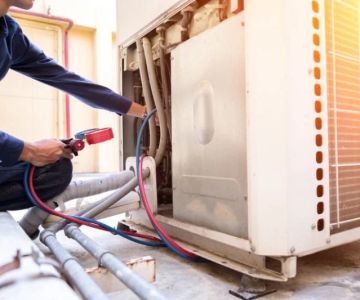
If the refrigerant level is low, your AC might not be able to cool effectively. You can check the refrigerant levels with a gauge, but handling refrigerant requires specialized knowledge. If you suspect low refrigerant, it’s best to call a professional to handle the issue and ensure there are no leaks.
Tools You Need to Fix Your AC Unit
To repair your air conditioner like a pro, having the right tools is essential. Here are some tools you might need for basic AC repairs:
1. Screwdriver Set
A good set of screwdrivers will help you access the internal components of your AC unit and tighten any loose screws. Make sure to have both flathead and Phillips head screwdrivers on hand.
2. Multimeter
A multimeter is an essential tool for checking the electrical components of your AC. It will allow you to test the voltage, continuity, and resistance of parts such as the thermostat and compressor.
3. Coil Cleaning Brush
Use a coil cleaning brush to gently remove dirt and debris from the condenser and evaporator coils. This will improve the efficiency of the cooling system and prevent damage to the coils.
4. Refrigerant Gauge
If you’re familiar with handling refrigerant, a refrigerant gauge can help you check the levels and diagnose issues related to low refrigerant. However, it’s essential to have proper training before handling refrigerant.
5. Wet-Dry Vacuum
A wet-dry vacuum is useful for clearing out condensate drain lines and removing any debris that may have clogged the drainage system. It’s a simple yet effective tool to maintain proper drainage and prevent water leaks.
When to Call a Professional for AC Repair
While DIY AC repairs can be effective for minor issues, certain problems require the expertise of a professional. Here are some signs that it’s time to call an expert:
1. Refrigerant Leaks
If your AC is low on refrigerant or if you notice a refrigerant leak, it’s best to call a professional. Handling refrigerants requires specialized training, and leaks need to be fixed to prevent environmental harm and ensure your system works efficiently.
2. Electrical Problems
If you suspect electrical issues, such as problems with the compressor or wiring, it’s safer to contact a professional. AC systems can be dangerous to work with if you don’t have the proper knowledge and tools to diagnose electrical faults.
3. Persistent Problems After Repairs
If you’ve attempted to fix your AC but the issues persist, it’s time to call in a pro. A technician will have the tools and expertise to identify underlying problems that might not be immediately apparent.
Preventive Maintenance for Your AC
Preventive maintenance is crucial to keeping your AC in good condition and avoiding costly repairs. Here are some key maintenance tasks to keep in mind:
1. Regular Filter Replacement
Changing the air filter every 1-3 months is essential for maintaining airflow and efficiency. A clogged filter can reduce cooling performance and increase energy consumption.
2. Annual Professional Inspections
Scheduling an annual inspection by a professional ensures that your AC is running at its best. A technician will clean components, check for potential issues, and perform any necessary repairs before the peak cooling season.
For more expert advice and professional services, visit Ac Fix for the best AC repair and maintenance options available near you.


 Cornerstone AC & Heating4.0 (15 reviews)
 TemperaturePro Charleston4.0 (334 reviews)
 Pioneer Heating & Air Services5.0 (11 reviews)
 Adas Auto Repair & Towing4.0 (65 reviews)
 A/C Doctors Inc.4.0 (470 reviews)
 SERVPRO of Alexandria4.0 (42 reviews)
 Fastest Way to Fix AC Unit Without Getting Overcharged in the US
 How Long Should It Take to Fix an Air Conditioning Leak?
 Top Ways to Fix Your AC Quickly and Affordably in Your Area
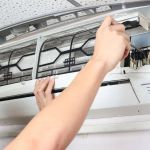 How to Fix Air Conditioners Without Spending a Fortune
 Best Practices for a Successful and Affordable AC Fix
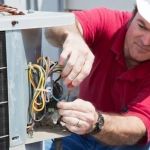 Where to Fix Air Conditioning in Emergency Situations: Quick Solutions