
1. Understanding the Role of an AC Compressor
The air conditioner compressor is a crucial component of your AC system. It circulates refrigerant through the evaporator and condenser coils, enabling heat exchange that cools the air in your home. Without a functioning compressor, the air conditioner cannot operate effectively, leading to higher temperatures and potential damage to other parts of the system.

Dawson Heating & Air Conditioning
7523 Reading Rd, Cincinnati, OH 45237, USA
2. Symptoms of a Faulty Air Conditioner Compressor
Recognizing the symptoms of a faulty AC compressor early can help prevent more expensive repairs. Common signs include:
- Unusual Noises: A clunking, rattling, or grinding noise coming from the AC unit could indicate compressor failure or internal damage.
- Lack of Cooling: If your AC is running but the air isn’t cold, it may be a sign that the compressor isn’t circulating refrigerant properly.
- Tripped Circuit Breaker: If the compressor is drawing too much current, it could cause the circuit breaker to trip, preventing the unit from running.
- Low Refrigerant Levels: A faulty compressor can cause refrigerant leaks, which can lead to decreased cooling efficiency and possible compressor failure.
If you notice any of these symptoms, it’s important to address the issue as soon as possible to avoid further damage to your air conditioner.

3. Common Causes of AC Compressor Failure
Several factors can contribute to AC compressor failure, including:
- Electrical Issues: Power surges, faulty wiring, or electrical connections can cause the compressor to stop working.
- Lack of Maintenance: Neglecting routine maintenance, such as cleaning filters and checking refrigerant levels, can lead to compressor damage.
- Overheating: A dirty or clogged condenser coil can prevent proper heat exchange, causing the compressor to overheat and fail.
- Refrigerant Leaks: Low refrigerant levels can strain the compressor, causing it to fail due to insufficient coolant.
Understanding the underlying cause of your compressor issue can help you make an informed decision on the appropriate repair method.
4. Step-by-Step Guide to Repairing a Faulty AC Compressor
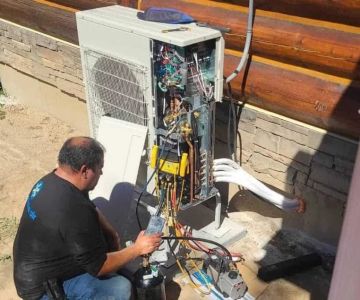
Repairing a faulty AC compressor can be complex and may require professional expertise. However, if you're comfortable with DIY repairs, follow these general steps to attempt a fix:
- Step 1: Turn off Power and Disconnect the Unit - Before starting any repairs, turn off the power to the AC unit at the circuit breaker to avoid electrical shock.
- Step 2: Check the Compressor and Connections - Inspect the compressor for any visible signs of wear or damage. Check the wiring and connections to ensure they’re secure and not corroded.
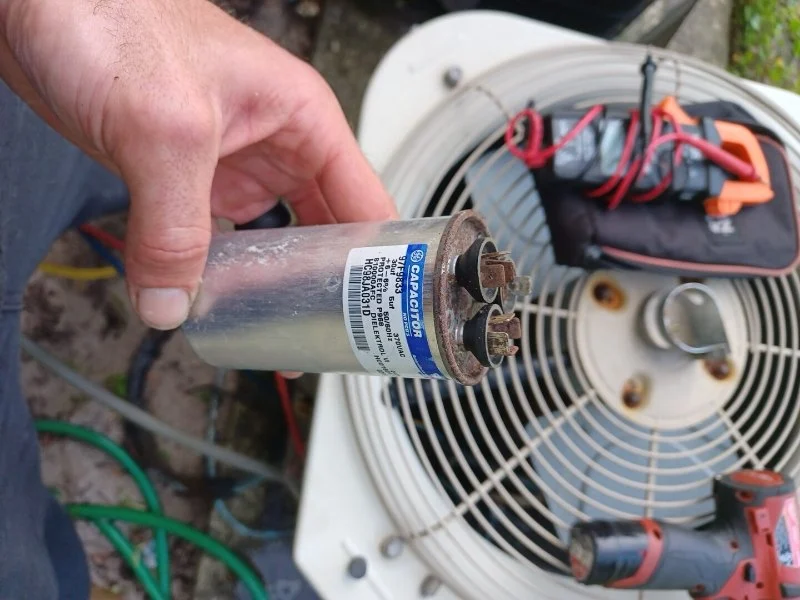
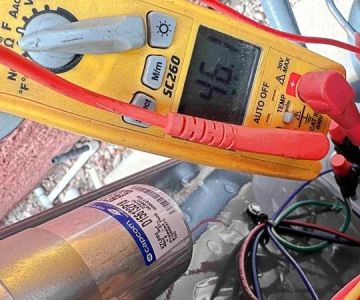
- Step 3: Test the Capacitor - The capacitor provides the necessary energy to start the compressor. Use a multimeter to test the capacitor. If it’s faulty, replace it with a new one.
- Step 4: Check the Refrigerant Level - If the refrigerant is low, the compressor may not function properly. You’ll need to recharge the system with the appropriate refrigerant if necessary.
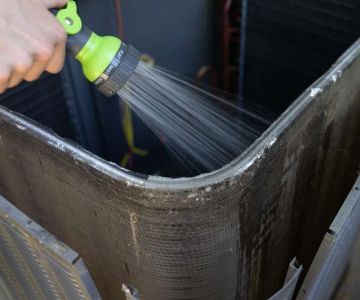
- Step 5: Inspect the Condenser and Evaporator Coils - Clean any dirt or debris from the coils to ensure proper heat exchange. Dirty coils can cause the compressor to overheat and fail.
- Step 6: Reassemble the Unit - Once the repairs are complete, reassemble the air conditioner and test it to ensure the compressor is functioning correctly.
If the compressor continues to malfunction after following these steps, it may require a full replacement, which is best handled by a professional technician.
5. How to Prevent Future Compressor Issues
Preventing future compressor issues is essential to extending the life of your air conditioning system. Here are some helpful tips:
- Regular Maintenance: Schedule annual maintenance for your AC system to check the compressor, refrigerant levels, and electrical connections.
- Clean Filters and Coils: Clean the filters and condenser coils regularly to ensure the unit runs efficiently and prevent the compressor from overheating.
- Check for Leaks: Regularly inspect the AC unit for refrigerant leaks and repair any issues promptly to avoid compressor damage.
- Keep the Area Around the AC Unit Clean: Ensure that the area around the outdoor unit is free of debris and obstructions to allow for proper airflow.
By performing these preventative steps, you can reduce the likelihood of future compressor failures and keep your AC running efficiently.
6. When to Call a Professional for AC Compressor Repair
Repairing an air conditioner compressor can be dangerous if you’re not familiar with the electrical components of the unit. If you’ve tried DIY repairs and the compressor still isn’t working, or if the compressor is making loud or unusual noises, it’s time to call a professional HVAC technician. Professionals have the tools and expertise to diagnose and repair compressor issues safely and effectively.
If you need professional help with AC compressor repairs or replacements, visit【Ac Fix】to find expert services and the best products to get your air conditioning system back in top shape.
 Burgess Heating and Air4.0 (1301 reviews)
 Absolute Auto A/C Complete Automotive Repair4.0 (61 reviews)
 Sons of Service Plumbing Heating & Air Conditioning5.0 (79 reviews)
 Lux Chimney Sweep Services4.0 (55 reviews)
 Home Services at The Home Depot4.0 (5 reviews)
 Scotts Heating & Air LLC5.0 (6 reviews)
 Experts Explain How to Fix Your AC Like a Pro
 Emergency AC Repairs: How to Find Help and Prevent Future Problems
 How to Fix Your Air Conditioning – Essential Tips for Homeowners
 10 Signs It's Time to Fix Your Air Conditioning
 How to Clean Your Air Conditioner Ductwork to Improve Airflow
 How Long Should It Take to Fix Air Conditioning? | AC Fix