
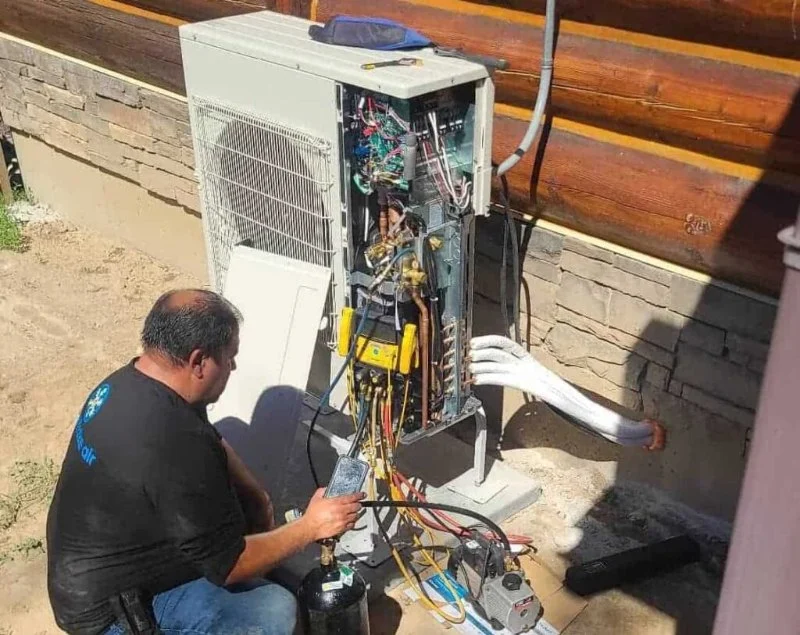
1. Understanding the Role of the Circuit Board in Your AC Unit
The circuit board in your air conditioning (AC) unit acts as the brain of the system, controlling and regulating the various functions necessary for proper operation. It is responsible for sending electrical signals to the compressor, fan, thermostat, and other components to ensure your AC is cooling effectively.
If your AC unit isn’t working properly, a faulty circuit board could be the cause. Issues such as no power, system malfunctions, or inconsistent cooling can often be traced back to a malfunctioning circuit board. In this article, we’ll guide you through understanding, diagnosing, and repairing a faulty circuit board in your AC unit.
2. Common Signs of a Faulty Circuit Board in an AC Unit
Recognizing the symptoms of a faulty circuit board is essential for prompt repair. Here are some common signs that your AC circuit board may be malfunctioning:
- AC Unit Won’t Turn On: If your AC unit refuses to power on, the circuit board may not be receiving or transmitting the necessary signals to start the compressor or fan.
- System Shuts Off Randomly: A malfunctioning circuit board can cause the system to shut off unexpectedly, leading to inconsistent cooling and disruption of airflow.
- Uneven Cooling: If certain parts of your home are too cold or too warm, it could be due to an issue with the circuit board controlling the distribution of cool air.
- Unusual Sounds or Smells: If you hear unusual buzzing, clicking, or electrical sparking noises, or if there’s a burning smell, these could indicate an electrical fault within the circuit board.
- Blown Fuses: If the fuse on your AC circuit board keeps blowing, this is often a sign of a short circuit or electrical overload on the board.
3. How to Repair a Faulty Circuit Board in Your AC Unit
Repairing a faulty circuit board in an AC unit can be a complex task, but with the right tools and knowledge, it’s possible to tackle the issue yourself. Here’s a step-by-step guide on how to repair your AC’s circuit board:
- Turn Off the Power: Before attempting any repair, turn off the power to the AC unit at the breaker box to ensure safety. This will prevent electrical shock or further damage to the components.
- Inspect the Circuit Board: Open the access panel of your AC unit to examine the circuit board. Look for visible signs of damage such as burnt areas, broken components, or damaged wiring. If you see any signs of severe damage, you may need to replace the entire circuit board.
- Check for Loose or Burnt Connections: Inspect the connections on the circuit board. If you find any loose wires or burnt areas, these should be repaired or replaced. A multimeter can help you test the connections for continuity.
- Test the Components: Use a multimeter to test the individual components of the circuit board, such as the resistors, capacitors, and diodes. If any of these components are not functioning correctly, they may need to be replaced.
- Replace the Circuit Board (if necessary): If the damage is extensive or the board is beyond repair, it may be necessary to replace the entire circuit board. Ensure you purchase the correct replacement board that matches your AC unit’s make and model.
- Reassemble and Test: Once repairs or replacements are completed, reassemble the AC unit and restore the power. Test the system to ensure it’s functioning correctly and cooling your home effectively.
4. When to Call a Professional
While DIY repairs can save you money, there are cases where it’s best to call a professional HVAC technician. If you encounter any of the following situations, it’s advisable to seek professional help:
- Advanced Electrical Problems: If the issue involves complex electrical components such as high-voltage circuits or wiring, it’s best to have a professional handle the repair to prevent safety hazards.
- Warranties: If your AC unit is still under warranty, attempting a DIY repair may void the warranty. Always check the terms of your warranty before proceeding with any repairs.
- Persistent Issues: If you’ve attempted the repair but the issue persists or if the AC continues to malfunction after the repair, it’s time to call in an expert who can diagnose the problem accurately and provide a lasting solution.
5. Real-Life Case Study: Repairing a Faulty Circuit Board
In a recent case, a homeowner was experiencing intermittent cooling from their air conditioning unit. After inspecting the system, they found that the circuit board was malfunctioning. The issue was traced to a burnt capacitor that was preventing the system from sending the right signals to the compressor.
After replacing the faulty capacitor and checking the other components with a multimeter, the homeowner was able to restore the AC unit’s performance without needing to replace the entire circuit board. This repair saved them hundreds of dollars in professional repair fees.
This case illustrates how simple component replacements can often fix common issues with a faulty circuit board, provided you have the right tools and knowledge.

Lee Heating & Air Conditioning Inc
ClaytonJohnston CountyNorth Carolina
1759 Castleberry Rd, Clayton, NC 27527, USA
6. Common Questions About Circuit Board Repairs in AC Units
If you have more questions about repairing a faulty circuit board in your AC unit, here are some commonly asked queries:
- How do I know if my AC’s circuit board is faulty? Common signs of a faulty circuit board include unresponsive controls, power failure, and irregular cooling. You may also notice burnt areas or blown fuses on the board.
- Can I repair my AC circuit board myself? If you have experience with electrical components and basic tools, you can attempt to repair the circuit board yourself. However, for complex issues, it’s recommended to consult a professional HVAC technician.
- How much does it cost to replace an AC circuit board? Replacing an AC circuit board typically costs between $200 to $600, depending on the make and model of your unit. Labor costs can also add to the total expense if a professional is required.

 Frost Fire Heating And Cooling LLC5.0 (51 reviews)
 Sears Appliance Repair4.0 (38 reviews)
 A Affordable Air Conditioning Heating Plumbing Electrical3.0 (12 reviews)
 Conditioned Air Systems AC Repair & Plumbing0.0 (0 reviews)
 Phoenix Heating and Air4.0 (14 reviews)
 Eco Plumbers, Electricians, and HVAC Technicians4.0 (616 reviews)
 Avoid These Common Mistakes When Trying to Fix Your AC
 Best Services That Can Fix My Air Conditioner Near You Today
 Common Mistakes When Fixing Your AC Unit and How to Avoid Them
 How to Prevent an Air Conditioner from Freezing During Cold Months
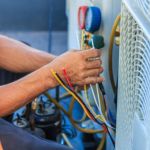 Air Conditioner Troubleshooting: How to Fix a Broken Condenser
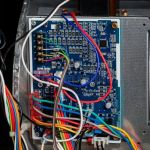 How to Repair an Air Conditioner with a Faulty Control Board