
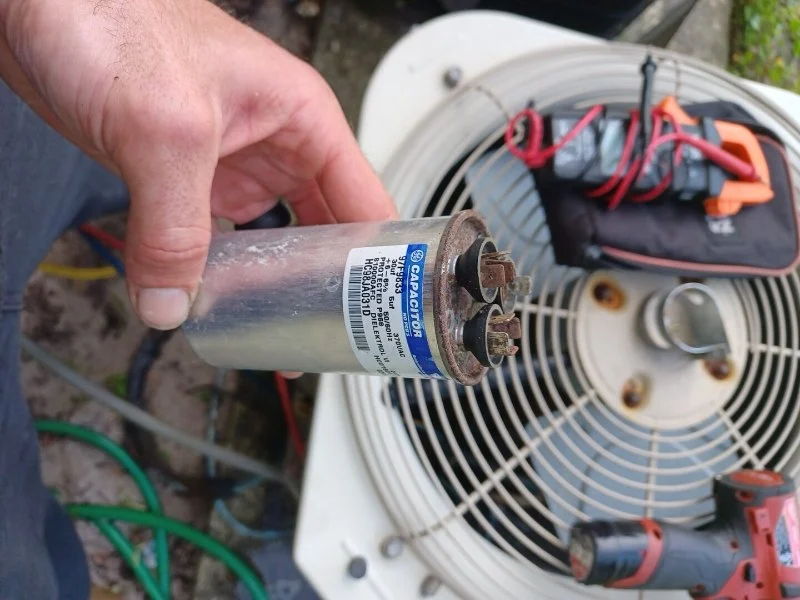
- 1. What Is an Air Conditioner Capacitor?
- 2. Signs of a Faulty AC Capacitor
- 3. Steps to Replace an Air Conditioner Capacitor
- 4. Safety Tips for Replacing Your AC Capacitor
- 5. When to Call a Professional for AC Repair
1. What Is an Air Conditioner Capacitor?
An air conditioner capacitor is a vital component in your HVAC system that helps start and run the motor that powers your air conditioner. The capacitor stores electrical energy and releases it to keep the motor running efficiently. Without a functioning capacitor, your air conditioner may fail to start, operate inefficiently, or experience overheating issues.

Hampton Maintenance Service LLC
Winter HavenPolk CountyFlorida
5096 Varty Rd, Winter Haven, FL 33884, USA
2. Signs of a Faulty AC Capacitor
A faulty capacitor can lead to poor air conditioner performance or even complete failure. Here are some common signs of a bad AC capacitor:
- Air conditioner won’t start: If your AC unit doesn’t turn on at all or you hear a clicking sound when attempting to start it, the capacitor may be the issue.
- Air conditioner runs intermittently: A capacitor that's on its way out might cause the AC to run briefly and then stop.
- Humming sound from the AC unit: If you hear a loud humming noise but the fan doesn’t start, it could indicate a bad capacitor.
- AC overheating: A faulty capacitor can prevent the motor from starting correctly, causing the AC unit to overheat.
3. Steps to Replace an Air Conditioner Capacitor
Replacing a faulty capacitor is a relatively simple process, but it does require some basic tools and knowledge of electrical components. Here’s how to do it:
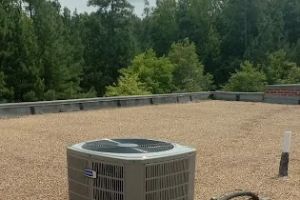
Step 1: Turn Off Power to the AC
Before you begin any work on your AC unit, ensure that the power is completely turned off. Switch off the circuit breaker and confirm there is no electrical current flowing to the unit.
Step 2: Locate the Capacitor
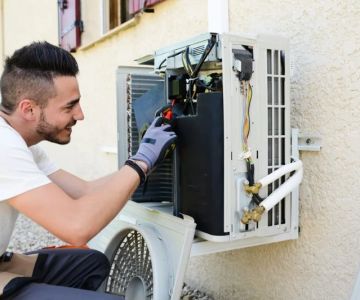
The capacitor is typically located inside the outdoor unit of your air conditioner. Open the access panel to reveal the components inside. You’ll see a cylindrical or oval-shaped component that’s usually labeled as the capacitor.
Step 3: Discharge the Capacitor
Capacitors store electrical energy, so it's important to discharge them before removal. Use an insulated screwdriver to bridge the terminals and safely release any stored energy. This step is crucial for your safety.
Step 4: Remove the Faulty Capacitor
Once the capacitor is discharged, carefully disconnect the wires connected to the terminals. Take note of where each wire is connected to ensure proper installation of the new capacitor. Use a wrench or screwdriver to remove any fasteners securing the capacitor in place.
Step 5: Install the New Capacitor
Take the new capacitor and install it in the same position as the old one. Reconnect the wires to the correct terminals, making sure they’re tightly secured. If necessary, secure the capacitor with screws or brackets.
Step 6: Test the Unit
Once the new capacitor is installed, turn the power back on and test the air conditioner. It should start normally, and you should no longer hear any unusual humming sounds or experience intermittent cycling.
4. Safety Tips for Replacing Your AC Capacitor
Working with electrical components can be dangerous if you're not properly prepared. Here are some important safety tips to follow when replacing your AC capacitor:
- Wear insulated gloves: This will protect you from electrical shocks while handling components.
- Double-check power is off: Always ensure that the power is completely turned off before you begin any repair work.
- Use insulated tools: Use insulated screwdrivers and pliers to avoid accidental shorts when working on live wires.
- Don’t rush: Take your time and follow the steps carefully to avoid mistakes that could lead to injury or further damage to the unit.
5. When to Call a Professional for AC Repair
While replacing an AC capacitor is a manageable DIY task for most, there are situations where it’s best to call in a professional:
- If you’re unsure: If you have any doubts about your ability to replace the capacitor safely, it’s better to contact a licensed HVAC technician.
- If the problem persists: If the capacitor replacement doesn’t solve the issue, the problem could be more complicated, such as a malfunctioning compressor or motor, which requires professional attention.
- If you lack the right tools: Professional technicians have the right equipment and expertise to handle more complex repairs, ensuring your AC system runs optimally.
By following these steps, you can replace a faulty AC capacitor and restore your air conditioner’s performance. For more information on air conditioner repairs or to get the best products for your unit, visit Ac Fix for expert recommendations and services.
 Home Services at The Home Depot3.0 (3 reviews)
 SERVPRO of Daviess, Butler, and Hopkins Counties4.0 (75 reviews)
 Clarke Air Company LLC4.0 (18 reviews)
 All About Heat & Air5.0 (74 reviews)
 Mid-Florida Heating & Air4.0 (219 reviews)
 Comfortron Heating and Cooling5.0 (21 reviews)
 How to Fix an Air Conditioner That Won’t Cool Your Room
 Everything You Need to Know Before You AC Fix in the USA
 How Much Does It Really Cost to Fix My AC?
 How Much Does It Really Cost to Fix an Air Conditioner?
 DIY vs Professional: Should You Fix Your Air Conditioner Yourself?
 How to Find Someone Who Can Fix My Air Conditioner Immediately