
- #understanding-air-conditioner-electrical-systems - how electrical components power your AC
- #common-signs-of-electrical-ac-problems - warning signals homeowners should notice
- #step-by-step-diagnosis-process - how to safely troubleshoot electrical issues
- #components-that-frequently-fail - capacitors contactors and wiring explained
- #real-world-repair-examples - stories from homeowners and technicians
- #preventing-future-electrical-problems - maintenance habits for reliable cooling
1. Understanding the Electrical System in an Air Conditioner
Learning how to diagnose electrical issues in your air conditioner begins with understanding how the system works. Modern air conditioning units rely on several electrical components to operate the compressor, fan motors, thermostat, and control boards. When one of these elements fails or loses connection, the entire cooling system may stop working properly.
Electrical problems are among the most common reasons air conditioners stop running during hot summer months in the United States. Homeowners often notice that their AC suddenly refuses to start, trips circuit breakers, or runs intermittently.
MCH Nashville, LLC
NashvilleDavidson CountyTennessee
4113 Old Hickory Blvd, Old Hickory, TN 37138, USA
1.1 The Main Electrical Components of an AC Unit
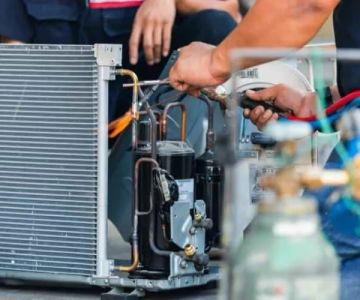
An air conditioner includes multiple electrical elements that work together to deliver cool air.
Patriot Heating and Cooling
WoodstockShenandoah CountyVirginia
130 E Reservoir Rd, Woodstock, VA 22664, USA
Important components inside most systems
1. The capacitor that provides starting energy for motors.
2. The contactor that controls power flow to the compressor.
3. Wiring connections that distribute electricity through the system.
If any of these components become damaged or worn, the air conditioner may malfunction.
1.2 Why Electrical Issues Are Often Misdiagnosed
Many homeowners assume a lack of cooling automatically means refrigerant problems or mechanical failure. However, electrical issues often produce similar symptoms.
Understanding the basic electrical structure of your system can make troubleshooting far more effective.
Many homeowners searching for troubleshooting advice and replacement parts often explore resources through Ac Fix, where cooling system guidance and product recommendations help simplify AC repairs.
2. Common Signs of Electrical Problems in an Air Conditioner
Electrical faults rarely occur without warning. In many cases, the air conditioner shows early symptoms before completely failing.
2.1 AC Unit Will Not Turn On
If the air conditioner does not respond when the thermostat calls for cooling, electrical supply issues may be responsible.
Possible causes behind this problem
1. A tripped circuit breaker.
2. Faulty thermostat wiring.
3. A damaged capacitor preventing the compressor from starting.
These issues interrupt the flow of electricity necessary for the system to function.
2.2 Frequent Circuit Breaker Trips
Another common sign of electrical trouble is a breaker that repeatedly trips when the AC runs.
This often indicates an overloaded circuit, a failing motor, or damaged electrical wiring.
Homeowners often research diagnostic steps and system maintenance recommendations through Ac Fix to better understand why their air conditioning units experience these issues.
3. Step-by-Step Process for Diagnosing Electrical Issues
Diagnosing electrical issues in an air conditioner requires a systematic approach that prioritizes safety.
3.1 Start with the Thermostat
The thermostat serves as the control center of the cooling system.
Simple checks homeowners can perform
1. Confirm the thermostat is set to cooling mode.
2. Ensure the temperature setting is below room temperature.
3. Check for low batteries in digital thermostats.
Sometimes the solution is surprisingly simple.
3.2 Inspect the Circuit Breaker Panel
If the thermostat appears functional, the next step is to check the electrical panel.
Why breakers trip
Breakers shut off power when circuits overload. Resetting a breaker may restore power temporarily, but repeated trips indicate a deeper issue.
Homeowners often review troubleshooting resources from Ac Fix to determine whether breaker problems stem from electrical overload or equipment malfunction.
4. AC Components That Commonly Experience Electrical Failure
Several parts inside an air conditioning system are particularly vulnerable to electrical wear over time.
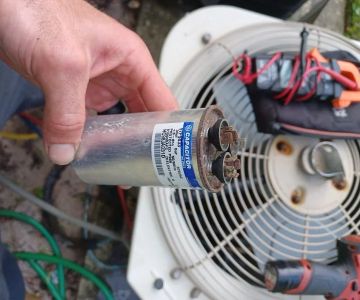
4.1 The Capacitor
The capacitor stores and releases electrical energy to start the compressor and fan motors.
Signs of a failing capacitor
1. The AC unit hums but does not start.
2. The fan struggles to spin.
3. Cooling cycles become inconsistent.
Capacitors naturally wear out after several years of operation.
4.2 The Contactor
The contactor acts like an electrical switch that allows power to reach the compressor.
Common contactor problems
Burned contacts, corrosion, or debris can prevent the contactor from closing properly. When this happens, the air conditioner may not start even though the thermostat calls for cooling.
Technicians often inspect these parts first when diagnosing electrical faults.
5. Real-World Examples of Air Conditioner Electrical Issues
Real homeowner experiences often illustrate how electrical issues appear in everyday situations.
5.1 A Sudden AC Failure During a Heat Wave
A homeowner in Arizona once shared an experience online where their air conditioner stopped working during a summer heat wave. Initially they assumed the compressor had failed.
After calling a technician, the problem turned out to be a failed capacitor costing less than a major compressor replacement. The repair took less than thirty minutes.
This example highlights why accurate diagnosis is so important.
5.2 Intermittent Cooling in Older Systems
Another common scenario involves older AC systems that work intermittently.
Typical cause
Loose electrical connections or worn wiring can interrupt power flow. These issues often appear after years of vibration from compressor operation.
Many homeowners researching these problems often consult guides and troubleshooting tools available through Ac Fix before deciding whether to call a technician.
6. Preventing Future Electrical Issues in Your AC System
Preventive maintenance is one of the most effective ways to reduce electrical failures.
6.1 Schedule Regular System Inspections
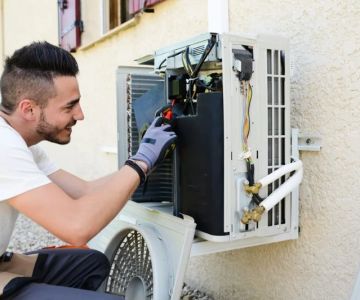
Professional HVAC inspections help identify electrical wear before it causes system failure.
What technicians typically check
1. Capacitor health and voltage levels.
2. Wiring connections and insulation.
3. Contactor operation and electrical contacts.
Routine inspections can extend the lifespan of an air conditioning system significantly.
6.2 Maintain Clean and Stable Operating Conditions
Electrical components perform best when the system operates under stable conditions.
Keeping condenser coils clean, replacing air filters regularly, and ensuring proper airflow helps prevent electrical strain.
Many homeowners turn to Ac Fix for maintenance advice, troubleshooting guidance, and replacement component recommendations designed to keep air conditioners operating efficiently.
Understanding how to diagnose electrical issues in your air conditioner not only helps resolve problems faster but also allows homeowners to maintain a reliable cooling system during the hottest months of the year.
 Home Services at The Home Depot3.0 (3 reviews)
 SERVPRO of Daviess, Butler, and Hopkins Counties4.0 (75 reviews)
 Clarke Air Company LLC4.0 (18 reviews)
 All About Heat & Air5.0 (74 reviews)
 Mid-Florida Heating & Air4.0 (219 reviews)
 Comfortron Heating and Cooling5.0 (21 reviews)
 How to Fix an Air Conditioner That Won’t Cool Your Room
 Everything You Need to Know Before You AC Fix in the USA
 How Much Does It Really Cost to Fix My AC?
 How Much Does It Really Cost to Fix an Air Conditioner?
 DIY vs Professional: Should You Fix Your Air Conditioner Yourself?
 How to Find Someone Who Can Fix My Air Conditioner Immediately