
- Common Reasons Your AC Is Not Cooling
- AC Repair and Troubleshooting Tips
- How to Maintain Your AC for Optimal Cooling
- When to Call a Professional for AC Repair
1. Common Reasons Your AC Is Not Cooling
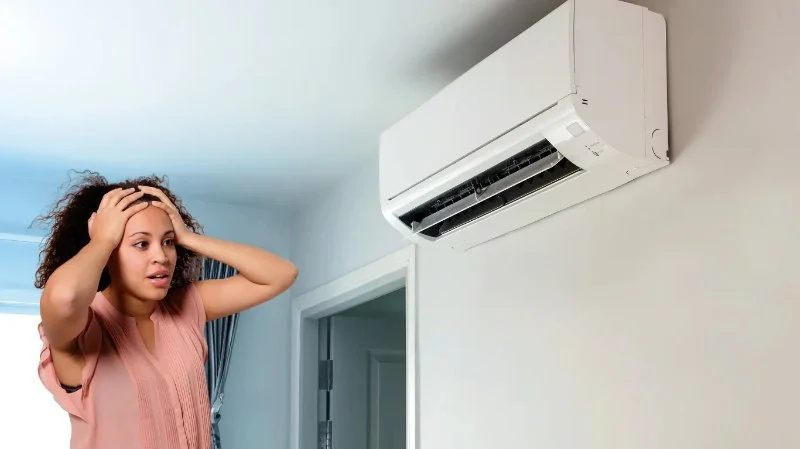
It can be frustrating when your air conditioner is running but not cooling your space. Understanding the potential causes of this issue is the first step to fixing it. Here are some of the most common reasons why your AC might not be cooling:
1.1. Dirty Air Filter
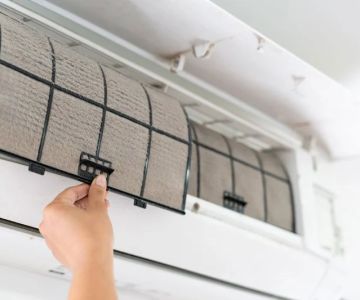
A clogged or dirty air filter is one of the leading causes of poor air conditioning performance. When the filter is clogged, it restricts airflow, making it difficult for your AC to cool your home efficiently. Regularly changing or cleaning the air filter can restore proper airflow and improve cooling performance.
Advanced Air Solutions
Cross LanesKanawha CountyWest Virginia
110 Bryant Lake Rd, Cross Lanes, WV 25313, USA
1.2. Low Refrigerant Levels
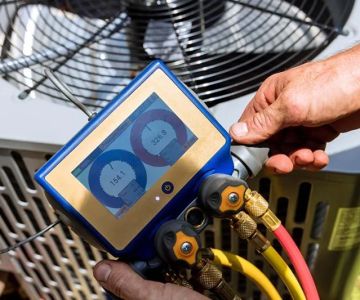
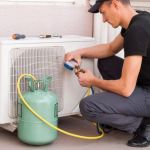
Refrigerant is crucial for your air conditioner's cooling process. If your system is low on refrigerant, it won't be able to cool the air effectively. Leaks in the refrigerant lines can also cause a loss of refrigerant. If you suspect a refrigerant issue, it's best to call a professional to check for leaks and refill the refrigerant.
1.3. Frozen Coils
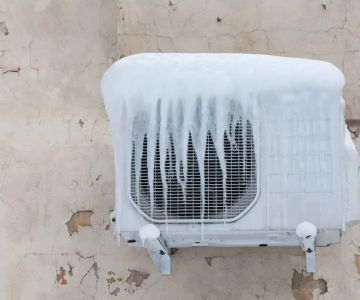
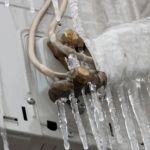
Frozen evaporator coils can prevent your air conditioner from cooling properly. This issue is often caused by poor airflow, a dirty filter, or low refrigerant. If the coils freeze, your AC will blow warm air. Turn off your AC and allow the coils to thaw before troubleshooting further.
1.4. Faulty Thermostat
If your thermostat is malfunctioning, it may not be sending the correct signals to your AC, leading to improper cooling. Check if your thermostat is set to the right temperature and ensure it is working properly. In some cases, recalibrating or replacing the thermostat is necessary.
2. AC Repair and Troubleshooting Tips
Now that you know some common reasons your air conditioner may not be cooling, here are some practical troubleshooting steps you can take before calling a professional:
2.1. Check the Power Supply
Before diving into more complex troubleshooting, make sure your AC unit is receiving power. Check the circuit breaker to see if the system has tripped. If it has, reset the breaker. Also, ensure that the thermostat is properly set and that it is powered on.
2.2. Inspect and Clean the Air Filter
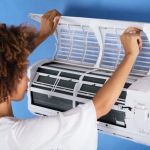
If the air filter appears dirty or clogged, it’s time to clean or replace it. A dirty air filter can restrict airflow, causing the system to overheat and fail to cool properly. A clean filter can significantly improve cooling efficiency.
2.3. Clean the Coils
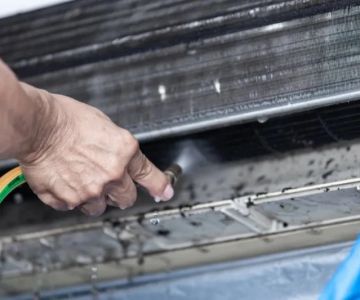
Both the evaporator and condenser coils can accumulate dirt and debris over time, reducing the system’s cooling efficiency. If the coils are dirty, turn off the power to the unit and carefully clean them with a coil cleaner or a soft brush to restore proper function.
2.4. Check for Ice Buildup
If you notice ice on your evaporator coils, turn off the system and allow the coils to thaw completely. Ice buildup can be caused by low refrigerant, poor airflow, or dirty filters. Once the ice has melted, clean the area and check for any underlying issues.
3. How to Maintain Your AC for Optimal Cooling
Preventive maintenance is key to ensuring that your air conditioner continues to perform efficiently. Here are some essential maintenance tasks:
3.1. Change the Air Filter Regularly
To prevent future cooling problems, make sure to change or clean your air filter regularly. This is one of the simplest and most cost-effective ways to maintain your system and improve air quality.
3.2. Schedule Annual Professional Maintenance
While some maintenance tasks can be handled on your own, it’s important to have your air conditioner professionally serviced once a year. A technician can inspect your unit, clean the coils, check refrigerant levels, and ensure that everything is running smoothly.
3.3. Keep the Area Around the AC Unit Clear
Ensure that there is no debris or obstructions around the outdoor unit of your air conditioner. Keeping the area clear helps the system operate efficiently and prevents airflow restrictions that can hinder cooling.
4. When to Call a Professional for AC Repair
While some minor issues can be fixed with a little troubleshooting, there are times when calling a professional is the best course of action. Here are a few scenarios when you should reach out for expert help:
4.1. Low Refrigerant
If you’ve checked the refrigerant levels and find them to be low, or suspect a leak, it's best to call a professional. Handling refrigerant requires specialized knowledge and equipment, and a technician will ensure that your system is charged properly.
4.2. Electrical Issues
If you’ve checked the power supply and breakers and your AC still isn't turning on, there may be an electrical issue at play. Electrical problems should always be addressed by a licensed technician to avoid further damage or safety risks.
4.3. Persistent Ice Build-Up
If your system continues to freeze up after cleaning and thawing the coils, this could indicate a deeper issue, such as a refrigerant leak or a malfunctioning component. A professional will diagnose the problem and recommend the best course of action.
For more information on air conditioning repair and troubleshooting tips, check out Ac Fix, where you can find expert advice, repair services, and the best products to keep your AC running smoothly throughout the year.
 Liberty Electric Heating4.0 (29 reviews)
 Commonwealth Controls5.0 (5 reviews)
 Skelton's Heating, Cooling & Plumbing4.0 (47 reviews)
 Ed's Heating Cooling Plumbing Electric5.0 (2 reviews)
 West Erwin Auto Repair4.0 (85 reviews)
 AirND Heating and Cooling LLC5.0 (18 reviews)
 2025 Trends: How People Are Choosing to Fix Air Conditioning Now
 How to Fix an Air Conditioner That Is Leaking Freon
 How to Prevent an Air Conditioner from Freezing During Cold Months
 2025 Trends: How People Are Choosing to Air Conditioning Replace Now
 Top Ways to Get My AC Fixed Quickly and Affordably in Your Area | AC Fix
 Everything You Need to Know Before You Fix Air Conditioning