

- 1. Common Air Conditioning Problems
- 2. How to Troubleshoot Your Air Conditioning Unit
- 3. When Should You Call a Professional to Fix Your AC?
- 4. Essential Tools You Need for AC Repair
- 5. Preventative Maintenance Tips for Your Air Conditioner
1. Common Air Conditioning Problems
Air conditioners are essential for keeping your home cool, especially during the hot summer months. However, like any other appliance, AC units can face issues that may affect their performance. Some of the most common air conditioning problems include:
- Weak or No Cool Air: This is one of the most frequent complaints. It could be due to low refrigerant levels, a clogged air filter, or a malfunctioning compressor.
- Leaking Water: If you notice water pooling around your AC unit, it could be caused by a blocked drain line or a frozen evaporator coil.
- Strange Noises: Unusual sounds like rattling, buzzing, or grinding could indicate loose components or a malfunctioning fan or motor.
- AC Won’t Turn On: This could be a sign of electrical issues, a tripped circuit breaker, or a faulty thermostat.
Before you attempt to fix these issues, it’s important to diagnose the root cause. Many of these problems can be solved with some basic troubleshooting and maintenance, but others may require professional help.

2. How to Troubleshoot Your Air Conditioning Unit
Before jumping into repairs, troubleshooting your air conditioning unit is crucial to identify the exact problem. Here are a few steps you can take:
- Check the Thermostat: Ensure the thermostat is set correctly. If it’s malfunctioning, it might not send the right signals to your AC unit.
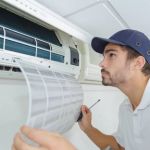
- Inspect the Air Filter: A dirty or clogged air filter can reduce airflow and make your AC work harder, causing inefficiency. Replace the filter if it looks dirty.
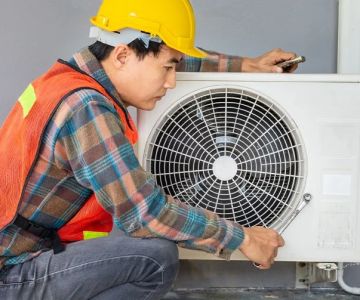
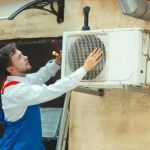
- Examine the Condenser Unit: Make sure there’s no debris blocking the condenser. Clean the outside of the unit and check that the fan is functioning properly.
- Check for Refrigerant Leaks: If your AC is blowing warm air, it could be due to a refrigerant leak. Low refrigerant levels can lead to poor cooling performance.
These troubleshooting steps can help you fix minor issues. If these methods don’t resolve the problem, it’s time to consider more advanced repairs.

Sylvester & Cockrum
Winston-SalemForsyth CountyNorth Carolina
6000 Gun Club Rd, Winston-Salem, NC 27103, USA
3. When Should You Call a Professional to Fix Your AC?
While some AC issues can be resolved by troubleshooting and basic repairs, there are situations where calling a professional is the best option. You should contact a licensed HVAC technician if:
- Refrigerant Leaks: Handling refrigerant requires special tools and knowledge. A professional can safely recharge your system and address any leaks.
- Electrical Issues: If your AC is not turning on or there are electrical issues with the unit, it’s best to hire a professional to avoid any safety risks.
- Compressor Failure: If the compressor is malfunctioning, it may need to be replaced or repaired by a qualified technician, as it is a critical component of your AC unit.
- Unusual Sounds or Odors: If your AC is making strange noises or emitting foul smells, it could indicate serious mechanical problems that require expert attention.
Attempting to fix complex issues on your own can lead to further damage or safety hazards, so it’s often best to trust the experts when things get complicated.
4. Essential Tools You Need for AC Repair
If you’re comfortable attempting to fix minor AC issues yourself, having the right tools is crucial. Some essential tools you’ll need include:
- Multimeter: A multimeter is used to check electrical connections and diagnose issues with your AC’s electrical system.
- Wrenches and Screwdrivers: These basic tools are useful for disassembling parts of your AC and accessing the internal components.
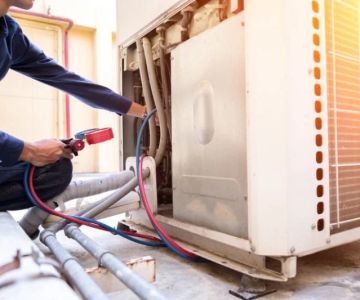
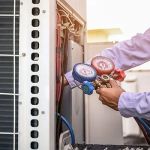
- Manifold Gauge Set: This tool is essential for checking refrigerant levels and diagnosing problems with the refrigerant system.
- Vacuum Pump: A vacuum pump is necessary to evacuate the refrigerant system if it’s being repaired or recharged.
While some basic repairs can be done with these tools, always remember that if the job requires specialized knowledge, it’s best to call a professional.
5. Preventative Maintenance Tips for Your Air Conditioner
To keep your air conditioning unit running efficiently and prevent costly repairs, regular maintenance is essential. Here are some preventative maintenance tips:
- Change the Air Filter: Regularly changing the air filter helps maintain good airflow and prevents the AC from working harder than it needs to.
- Clean the Coils: Dust and dirt can accumulate on the evaporator and condenser coils, reducing efficiency. Cleaning them once a year can improve performance.
- Clear the Drain Line: A clogged condensate drain can lead to water damage and other issues. Check the drain line regularly to ensure it’s clear.
- Schedule Annual Inspections: Have a professional HVAC technician inspect your AC unit annually to identify potential issues before they become major problems.
By performing regular maintenance, you can extend the lifespan of your AC and avoid major repairs down the road.
 Cornerstone AC & Heating4.0 (15 reviews)
 TemperaturePro Charleston4.0 (334 reviews)
 Pioneer Heating & Air Services5.0 (11 reviews)
 Adas Auto Repair & Towing4.0 (65 reviews)
 A/C Doctors Inc.4.0 (470 reviews)
 SERVPRO of Alexandria4.0 (42 reviews)
 Fastest Way to Fix AC Unit Without Getting Overcharged in the US
 How Long Should It Take to Fix an Air Conditioning Leak?
 Top Ways to Fix Your AC Quickly and Affordably in Your Area
 How to Fix Air Conditioners Without Spending a Fortune
 Best Practices for a Successful and Affordable AC Fix
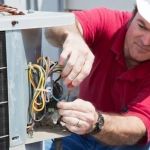 Where to Fix Air Conditioning in Emergency Situations: Quick Solutions