
- 1. Understanding AC Coil Problems
- 2. Common Symptoms of AC Coil Issues
- 3. How to Clean AC Coils Properly
- 4. When to Call a Professional for AC Coil Problems
- 5. Real-Life Case Study: Fixing AC Coil Problems
1. Understanding AC Coil Problems
AC coils, both the evaporator and condenser coils, play a vital role in your air conditioner's performance. They are responsible for cooling and dehumidifying the air in your home. Over time, however, AC coils can develop problems that affect the efficiency of your system. These problems can range from dirt and debris accumulation to more severe issues like coil corrosion.
Understanding the function of your AC coils and the types of problems they may encounter is key to maintaining a well-functioning air conditioning system. Regular maintenance and cleaning are essential for preventing coil problems and ensuring your AC continues to work effectively throughout the year.
460 Heating and Cooling
2133 Lawrenceville-Suwanee Rd #12-447, Suwanee, GA 30024, USA
2. Common Symptoms of AC Coil Issues
Recognizing the symptoms of AC coil problems early on can help you address the issue before it becomes a major repair job. Here are some common signs of AC coil problems:
2.1 Reduced Cooling Efficiency
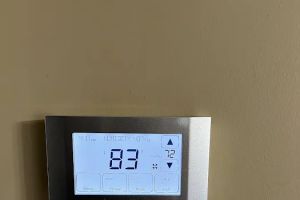
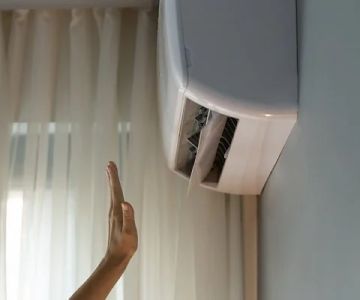
If your AC is blowing air but not cooling as effectively as it used to, the coils may be dirty or frozen. Dirty coils restrict airflow, while frozen coils can lead to the inability to properly cool the air. If you notice warm air blowing from your AC or inconsistent cooling, it’s time to check the coils.
2.2 Ice Buildup on Coils
Ice buildup on the coils is a clear sign that something is wrong. Frozen coils can occur when the air conditioner is not receiving adequate airflow or when there’s a refrigerant leak. This issue can damage the coils if not addressed, leading to costly repairs.
2.3 High Energy Bills
If you notice a sudden spike in your energy bills, it may be a sign of inefficient cooling caused by dirty or damaged coils. When the coils are not working properly, the air conditioner has to work harder to cool your home, leading to increased energy consumption.
2.4 Unpleasant Odors
A bad smell coming from your AC unit can be a sign of mold or bacteria growth on the coils. Moisture from the cooling process can cause this, especially if the coils are dirty and not functioning properly. If you notice any strange odors, it’s a good idea to inspect the coils.
3. How to Clean AC Coils Properly
Cleaning your AC coils is an essential maintenance task that can extend the life of your air conditioner and improve its efficiency. Here’s a step-by-step guide on how to clean your AC coils:
3.1 Turn Off Power to the AC
Before you begin cleaning the coils, always make sure to turn off the power to your air conditioning unit. This is crucial for safety reasons, as it prevents any electrical accidents or injuries while you’re working on the unit.
3.2 Remove the AC Unit’s Access Panels
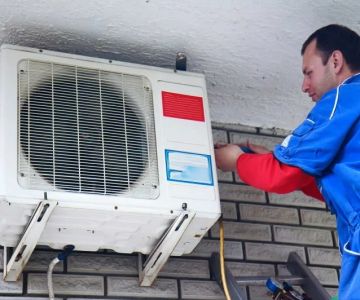
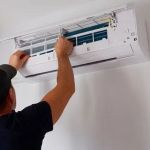
Depending on your AC model, you’ll need to remove the access panels or outer casing to reach the coils. Use a screwdriver to unscrew the panels and expose the evaporator and condenser coils.
3.3 Clean the Evaporator Coils
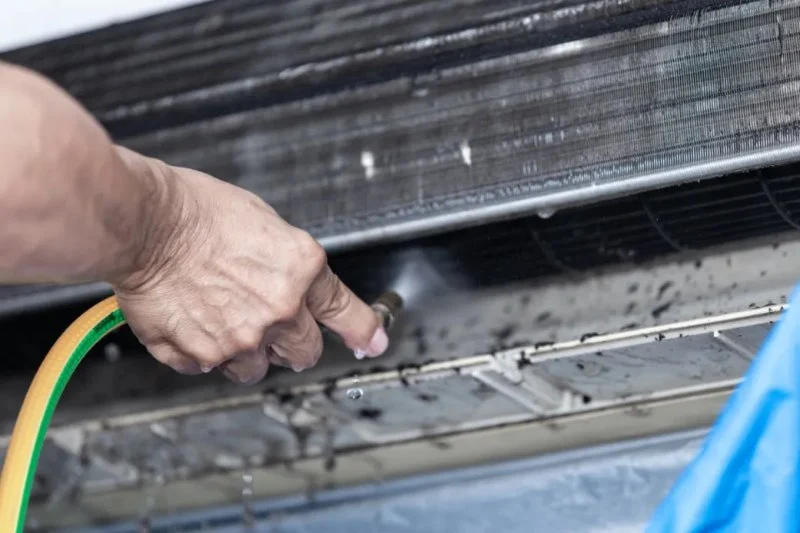
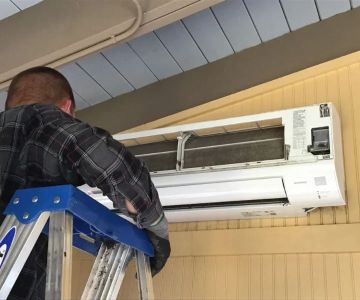
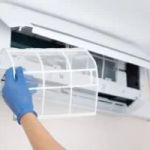
The evaporator coils are located inside the air handler. Use a soft brush or vacuum with a brush attachment to gently remove dust and debris from the coils. Be careful not to bend or damage the delicate fins on the coils. After brushing off the dirt, you can spray a coil cleaner solution onto the coils to remove any stubborn grime.
3.4 Clean the Condenser Coils
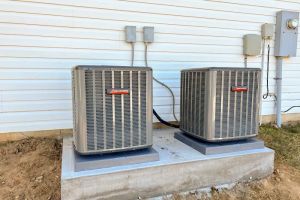
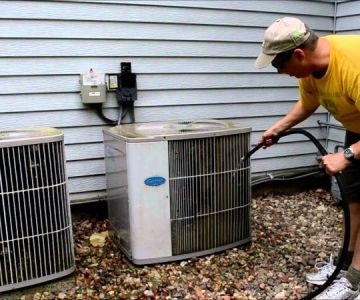
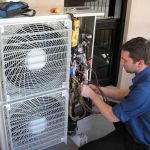
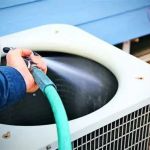
The condenser coils are typically located outside the unit. Use a vacuum or coil cleaning brush to remove dirt, leaves, and other debris from the condenser. You can also use a hose to gently rinse off the coils, but be sure not to apply too much water pressure as this can damage the coils.
3.5 Check for Damage
While cleaning the coils, take the opportunity to inspect them for any visible damage, such as dents or cracks. If the coils are bent or broken, they may need to be replaced or repaired by a professional.
3.6 Reassemble the Unit
After cleaning the coils, carefully reassemble the access panels and restore the power to your air conditioning unit. Turn it on and check for proper airflow and cooling performance.
4. When to Call a Professional for AC Coil Problems
While cleaning AC coils is something many homeowners can do themselves, there are situations where you should call a professional HVAC technician:
4.1 If the Coils Are Severely Damaged
If you notice significant damage to the coils, such as corrosion, dents, or cracks, it’s best to call a professional. Repairing or replacing the coils requires specialized knowledge and tools.
4.2 If There Is a Refrigerant Leak
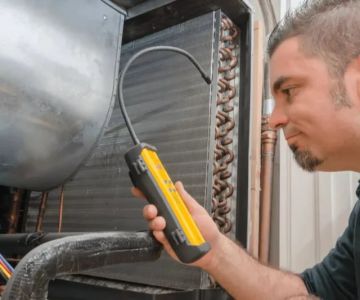
If you suspect a refrigerant leak, it's important to call a technician. Refrigerant issues can cause the coils to freeze or overheat, and dealing with refrigerant requires professional expertise.
4.3 If You're Not Comfortable with the Cleaning Process
If you’re unsure about cleaning the coils yourself or don’t feel comfortable doing it, it’s always safer to hire a professional. HVAC technicians have the proper tools and expertise to clean the coils thoroughly and ensure everything is functioning correctly.
5. Real-Life Case Study: Fixing AC Coil Problems
Mark, a homeowner in Texas, noticed that his AC wasn’t cooling his home as efficiently as it used to. He checked the unit and found ice buildup on the coils. After researching the problem, Mark followed a DIY guide to clean his AC coils. He removed debris from the evaporator and condenser coils, cleaned them with a coil cleaner, and checked for any visible damage.
After completing the cleaning, Mark found that his AC was working much more efficiently, and the ice buildup was gone. This DIY maintenance saved him the cost of hiring a professional, and his air conditioner is now running like new. However, he did realize that periodic professional inspections are essential for long-term maintenance.
If you’re dealing with AC coil problems, visit Ac Fix for expert advice, tools, and services to help you address and maintain your AC system properly.
 A1 Air Conditioning & Heating Co4.0 (20 reviews)
 Chrismon Heating & Cooling4.0 (132 reviews)
 The Habegger Corporation - Paducah5.0 (4 reviews)
 LenAire, Inc.4.0 (617 reviews)
 Sensigreen Heating, Cooling & Insulation5.0 (43 reviews)
 Strickland Plumbing, HVAC & Electric, Inc.4.0 (161 reviews)
 Who Should You Trust When You Need to Fix Your Air Conditioner?
 How to Fix AC Condenser: A Complete Guide for Homeowners
 Expert Guide on How to Get Your AC Fixed Like a Pro | AC Repair Tips
 Experts Explain How to Fix Your AC Like a Pro
 Top Ways to Fix Your Air Conditioning Quickly and Affordably in Your Area | AC Fix
 What to Do When You Need to Get Your AC Fixed Immediately | Expert Repair Tips