
- why-condenser-coils-get-dirty-and-why-it-affects-cooling-performance
- signs-of-a-dirty-or-damaged-coil-how-to-recognize-the-problem
- how-to-clean-condenser-coil-step-by-step-homeowner-method
- repairing-minor-condenser-coil-issues-before-they-become-expensive
- real-homeowner-case-coil-cleaning-that-restored-cooling-efficiency
- long-term-maintenance-for-coils-to-prevent-future-ac-problems
Why Condenser Coils Get Dirty and Why It Affects Cooling Performance
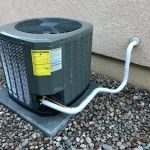
The condenser coil is one of the most important parts of an air conditioning system. Located in the outdoor unit, it releases heat collected from inside your home. When the coil works efficiently, the system cools your house quickly and uses energy efficiently.
However, condenser coils are constantly exposed to outdoor conditions. Dust, pollen, leaves, grass clippings, and even small insects accumulate on the coil fins over time. This buildup may look harmless at first, but it significantly reduces the coil’s ability to release heat.

Morga Heating & Air LLC
KernersvilleForsyth CountyNorth Carolina
210 Harmon Creek Rd, Kernersville, NC 27284, USA
1. Heat transfer becomes less efficient
Air conditioners rely on efficient heat exchange. When dirt covers the condenser coil, heat becomes trapped inside the system rather than being released outdoors. As a result, the AC compressor must work harder to maintain the desired temperature.
This added strain can increase energy consumption and shorten the lifespan of major HVAC components.

2. Restricted airflow around the outdoor unit
Outdoor units require proper airflow to function correctly. When debris accumulates on or around the condenser coil, airflow becomes restricted. This causes the system to run longer cycles and struggle to cool the home.
In areas with heavy pollen or landscaping debris, this issue can develop surprisingly quickly.
3. Increased wear on system components
Dirty condenser coils force the compressor to work harder than necessary. Over time, this constant strain increases the risk of compressor failure, which is one of the most expensive air conditioning repairs homeowners face.
Signs of a Dirty or Damaged Coil: How to Recognize the Problem
Most homeowners don’t regularly inspect their outdoor AC unit. However, several noticeable symptoms often appear when the condenser coil needs cleaning or repair.
1. The air conditioner struggles to cool the house
If your AC runs longer than usual but still fails to reach the desired temperature, the condenser coil may be clogged with debris.
Reduced cooling efficiency is often the earliest sign that coil cleaning is necessary.
2. Higher electricity bills during summer
When a system works harder to remove heat, it consumes more electricity. Many homeowners first notice coil problems when their energy bills increase unexpectedly during hot months.
3. The outdoor unit feels unusually hot
While the condenser normally releases heat, an excessively hot outdoor unit may indicate restricted heat transfer caused by a dirty coil.
4. Visible dirt or bent fins
A quick visual inspection often reveals the problem. If the coil fins appear covered in dirt or bent out of shape, cleaning or minor repairs may be needed.
How to Clean Condenser Coil: Step-by-Step Homeowner Method
Cleaning the air conditioner’s condenser coil is one of the most effective ways to improve system performance. Many homeowners can safely perform basic cleaning with simple tools.
1. Turn off the power to the AC system
Before working on any HVAC equipment, safety comes first. Turn off the air conditioner at the thermostat and the outdoor disconnect box.
This prevents the fan or compressor from starting while you are working on the unit.
2. Remove debris around the outdoor unit
Leaves, branches, and grass clippings often accumulate around condenser units. Clear the surrounding area to provide at least two feet of open space around the system.
This improves airflow and prevents future debris buildup.
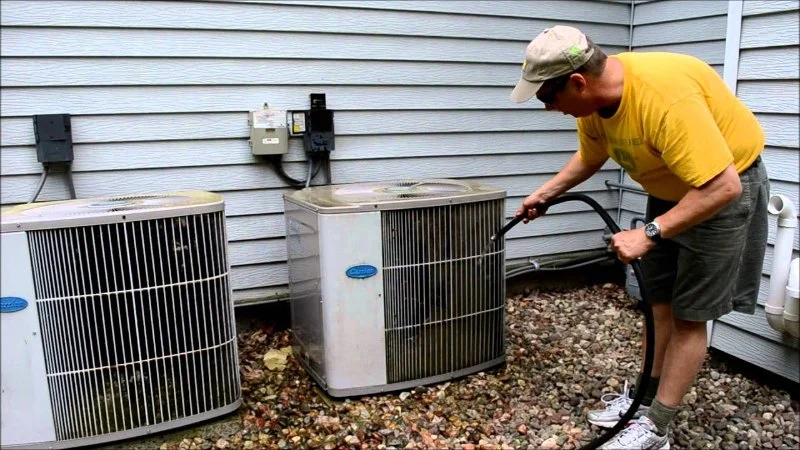
3. Rinse the condenser coils gently
Using a garden hose, spray water from the inside of the unit outward. This pushes dirt away from the coil rather than deeper into the fins.
Avoid high-pressure washers, which can damage delicate aluminum fins.
4. Apply a specialized coil cleaner
For heavier buildup, a coil cleaning solution designed for HVAC systems can break down grease, dirt, and pollen. Allow the cleaner to sit briefly before rinsing thoroughly.
Many homeowners find recommended products and maintenance tools through platforms like Ac Fix, where HVAC-related supplies and service options are easier to explore.
Repairing Minor Condenser Coil Issues Before They Become Expensive
Cleaning alone may not always restore full condenser performance. In some cases, small mechanical issues develop that require simple repairs.
1. Straightening bent coil fins
The thin metal fins on condenser coils help maximize surface area for heat transfer. However, they can easily bend due to debris impact, pressure washing, or accidental contact.
Using a fin comb tool, homeowners or technicians can gently straighten bent fins to restore airflow.
2. Inspecting for refrigerant leaks
If the condenser coil is damaged, refrigerant leaks may develop. These leaks reduce cooling efficiency and can lead to compressor damage if not addressed quickly.
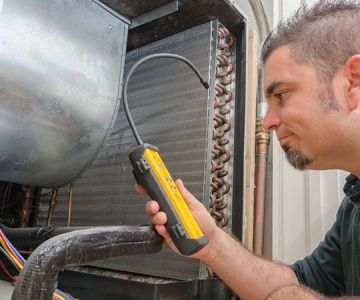
Professional technicians typically use electronic leak detectors or UV dye to locate small leaks.
3. Checking the condenser fan operation
Even with a clean coil, poor airflow caused by a malfunctioning fan can reduce heat dissipation. If the fan motor makes unusual noises or spins slowly, it may require replacement.
Real Homeowner Case: Coil Cleaning That Restored Cooling Efficiency
During a particularly hot summer in California, a homeowner shared an experience that quickly gained attention in a home maintenance forum.
His air conditioner was running nearly all day but struggled to keep the house below 80°F. Assuming the system was failing, he considered replacing the entire unit.
1. Discovering the real problem
When a technician inspected the outdoor condenser, the coil was completely coated with dust and dryer lint from a nearby vent. The buildup had accumulated slowly over several seasons.
2. The surprisingly simple solution
After a thorough condenser coil cleaning and minor fin adjustments, the AC system immediately returned to normal cooling performance.
What seemed like a major equipment failure turned out to be a simple maintenance issue.
Long-Term Maintenance for Coils to Prevent Future AC Problems
Routine maintenance is the best way to keep condenser coils functioning properly and avoid costly HVAC repairs.
1. Inspect the outdoor unit each season
Before the summer cooling season begins, check the condenser coil for visible dirt or debris. Early cleaning prevents heavy buildup.
2. Keep landscaping trimmed
Bushes, weeds, and tall grass around the condenser restrict airflow. Maintaining clear space around the unit helps the coil release heat effectively.
3. Schedule professional maintenance annually
While homeowners can handle basic cleaning, professional HVAC technicians perform deeper inspections, including refrigerant pressure checks and electrical component testing.
These inspections can detect problems long before they cause system failure.
4. Monitor cooling performance throughout the summer
If your air conditioner begins running longer than usual or struggles to cool the house, it may be time to inspect the condenser coil again.
Homeowners researching maintenance solutions, replacement parts, or reliable HVAC services often turn to Ac Fix to explore equipment recommendations and repair resources.
By regularly cleaning and inspecting the condenser coil, homeowners can improve energy efficiency, extend the life of their HVAC system, and ensure consistent cooling even during the hottest months of the year.


 Dan Simon Heating and Cooling4.0 (5 reviews)
 Extreme Climate Controls4.0 (12 reviews)
 Air Current Inc.4.0 (131 reviews)
 Red Star Cooling & Heating DFW5.0 (3 reviews)
 Dominion Air & Heat LLC5.0 (6 reviews)
 Wolfer Heating and Cooling LLC5.0 (160 reviews)
 Fastest Way to Fix Air Conditioning Without Getting Overcharged – Quick Tips and Expert Advice
 10 Signs It's Time to Fix Air Conditioning Leak
 How to Fix Your Air Conditioner Like a Pro | AC Repair Guide
 DIY vs Professional AC Repair: Should You Fix Your AC Yourself?
 Best Services That Fix Air Conditioning Near You Today
 How to Fix AC Condenser Without Spending a Fortune