
- why-your-ac-might-stop-blowing-air
- basic-troubleshooting-steps
- common-causes-of-air-conditioning-issues
- when-to-call-a-professional
- simple-solutions-to-fix-your-ac
- real-customer-case
- preventive-maintenance-tips
1. Why Your AC Might Stop Blowing Air
It’s frustrating when your air conditioner isn’t blowing air, especially during a hot summer day. There are several reasons this could happen, but many of them are simple to address. Understanding the potential causes is the first step in resolving the issue.
1.1 Blocked Airflow
One of the most common reasons your AC may stop blowing air is blocked airflow. This could be due to dirty air filters or blocked ducts that prevent air from moving through the system efficiently.

Service Pro Heating and Air
GreerSpartanburg CountySouth Carolina
316 Victor Hill Rd, Greer, SC 29651, USA
1.2 Frozen Coils
Another reason could be frozen evaporator coils. When the airflow is restricted, the coils can freeze, which will limit the air circulation and cause your AC to stop working properly.
1.3 Low Refrigerant Levels
If your air conditioner is low on refrigerant, it can cause the cooling process to fail, and you may notice that your AC isn't blowing cool air or blowing any air at all.
2. Basic Troubleshooting Steps
2.1 Check the Thermostat
Start by checking your thermostat settings. Ensure that it is set to cooling mode and the temperature is set lower than the current room temperature. A simple reset might solve the issue.
2.2 Inspect the Air Filters
Dirty or clogged air filters are often the root cause of poor airflow. Replace or clean your filters regularly to maintain good airflow and avoid strain on your AC system.
2.3 Ensure the Vents Are Open
Blocked or closed vents in your home can restrict airflow. Make sure all vents are open and unobstructed to allow air to circulate freely throughout your space.
3. Common Causes of Air Conditioning Issues
3.1 Dirty Evaporator Coils
If the evaporator coils are dirty, they won’t absorb heat as effectively, leading to inefficient cooling or no airflow. Cleaning the coils can help restore proper function.
3.2 Malfunctioning Fan Blower
The fan blower is responsible for pushing air through the ducts. If it’s not working, your AC won’t blow air at all. This could be due to a malfunctioning motor or electrical issues.
3.3 Refrigerant Leaks
If your AC is low on refrigerant, it won’t function properly. Leaks are often the cause, and they need to be repaired by a professional technician before the system can be recharged.
4. When to Call a Professional
4.1 Electrical or Mechanical Problems
If you suspect that the issue involves the AC’s electrical components or the motor, it’s time to call a professional. These are complex issues that require specialized expertise and tools to fix.
4.2 Persistent Problems After Basic Troubleshooting
If your AC is still not working after you’ve checked the thermostat, replaced the air filters, and ensured proper airflow, it’s likely a more complex issue that requires professional attention.
5. Simple Solutions to Fix Your AC
5.1 Clean or Replace the Air Filters
Start by cleaning or replacing the air filters. Dirty filters restrict airflow and can lead to further problems. Regular maintenance of the filters can prevent this issue from occurring.
5.2 Clean the Evaporator Coils
If the evaporator coils are dirty, carefully clean them using a vacuum or coil cleaner. This can improve airflow and allow the AC to function more efficiently.
5.3 Check the Refrigerant Level
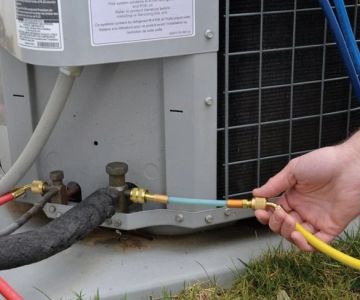
If you suspect that your AC is low on refrigerant, it’s best to call a professional to check and refill it. Low refrigerant can also indicate a leak that should be addressed before refilling.
6. Real Customer Case: A DIY AC Fix
A homeowner in Phoenix shared their experience when their AC stopped blowing air. After inspecting the unit, they found that the air filters were clogged with dust and debris. They replaced the filters and reset the thermostat, which immediately fixed the problem. The unit started blowing cool air again, saving them from an expensive repair bill. This simple fix highlights how regular maintenance can prevent costly issues.
7. Preventive Maintenance Tips for Your Air Conditioner
7.1 Regularly Replace Air Filters
To ensure your AC runs smoothly year-round, replace the air filters every 1–3 months, depending on usage. This prevents blockages and keeps your system running efficiently.
7.2 Schedule Annual Professional Inspections
Even if your AC is running fine, scheduling an annual professional inspection can help catch potential issues before they become serious problems. A technician can clean the coils, check the refrigerant levels, and ensure the system is in good condition.
7.3 Keep the Outdoor Unit Clean
Ensure that the outdoor unit is free from debris like leaves and dirt. Keeping the area around your AC clean can improve airflow and prevent overheating.

 Coastal Refrigeration & HVAC LLC3.0 (3 reviews)
 RS Andrews4.0 (120 reviews)
 AC Pros5.0 (104 reviews)
 Southern Air & Plumbing4.0 (3829 reviews)
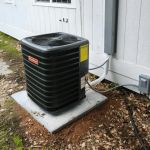 Guaranteed Heating & Cooling LLC4.0 (89 reviews)
 Williams & Fogg3.0 (80 reviews)
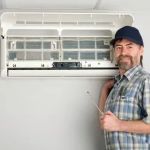 How to Fix an Air Conditioner That’s Blowing Hot Air
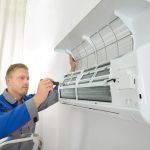 10 Signs It's Time to Fix Your Central Air Conditioning Unit
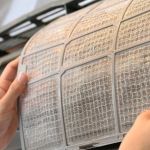 What You Need to Know About Air Conditioner Filter Replacement
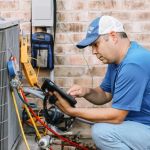 Experts Explain How to Fix an AC Condenser Like a Pro
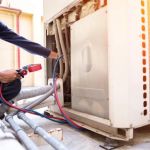 Pros and Cons of Fixing Your Air Conditioner on Your Own: Is It Worth the Risk?
 The Ultimate Checklist: Who Can Fix My Air Conditioner Successfully?