

- Why Airflow is Important for Your Air Conditioning System
- Common Causes of Low Airflow in AC Units
- How to Fix Low Airflow in Your AC System
- When to Call a Professional for AC Airflow Issues
- How to Prevent Low Airflow in the Future
Why Airflow is Important for Your Air Conditioning System
Airflow is one of the most critical components of an efficient air conditioning system. When your AC unit has low airflow, it can significantly reduce its cooling efficiency and make your home uncomfortable during hot weather. Low airflow means your system must work harder, which can lead to higher energy bills and potential wear and tear on the unit. Ensuring that your air conditioning system has optimal airflow is key to keeping your home cool, energy-efficient, and well-maintained.

Comfort Care Air Conditioning
ClearwaterPinellas CountyFlorida
1831 Oak Forest Dr S, Clearwater, FL 33759, USA
Common Causes of Low Airflow in AC Units
Low airflow in your air conditioner can be caused by several factors. Understanding these common causes will help you troubleshoot the issue more effectively:
1. Clogged or Dirty Air Filters: Air filters trap dust, debris, and allergens, but over time, they can become clogged. When the air filter is blocked, airflow is restricted, causing the AC system to work harder and resulting in lower airflow.
2. Blocked or Leaky Ductwork: If the ducts that carry air through your home are blocked or have leaks, airflow will be reduced. Leaks in the ducts can also lead to the loss of cool air, making the system less efficient.
3. Frozen Coils: If the evaporator coils of your AC unit freeze, they can obstruct airflow. This is often caused by low refrigerant levels or poor airflow due to dirty filters or blocked vents. When the coils freeze, they prevent the system from circulating air properly.
4. Faulty Blower Fan: The blower fan is responsible for pushing air through the system. If it is malfunctioning, it can result in poor airflow. Common issues with the fan include motor failure or obstruction.
5. Incorrect Thermostat Settings: Sometimes, low airflow can be a result of incorrect thermostat settings. If the thermostat is set too low or incorrectly calibrated, the system may not work efficiently, leading to low airflow.
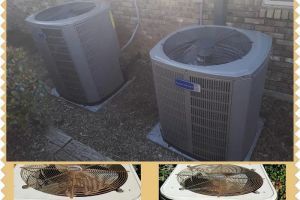
Four Seasons Air Systems
Haltom CityTarrant CountyTexas
6100 Huddleston St suite B, Haltom City, TX 76137, USA
How to Fix Low Airflow in Your AC System
Once you have identified the cause of the low airflow, there are several steps you can take to fix the issue. Here's how to address the most common problems:
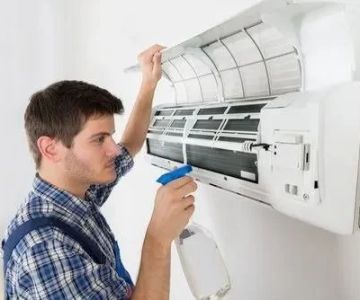
1. Replace or Clean the Air Filters: Start by inspecting and cleaning or replacing the air filters. Dirty filters are one of the most common causes of low airflow, and replacing them is often the easiest and most effective solution. Aim to replace your air filters every 1-3 months, especially during peak usage seasons.
2. Clean the Vents and Ducts: Ensure that the air vents and ducts are not obstructed by dust, furniture, or other objects. Cleaning the vents and checking for any blockages or leaks in the ductwork can improve airflow significantly. A professional duct cleaning may also be necessary if you have not cleaned your ducts in a while.
3. Check for Frozen Coils: If you suspect that the evaporator coils have frozen, turn off the AC system and let the coils thaw. Once the coils are thawed, inspect the system for potential causes such as low refrigerant or blocked airflow. If you're unsure how to handle frozen coils, it's best to call a professional technician.
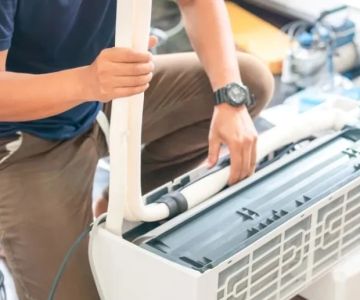
4. Inspect the Blower Fan: If the blower fan is not working correctly, it may need to be repaired or replaced. If you're comfortable, you can inspect the fan for any visible issues, such as dirt buildup or motor failure. If the fan seems damaged, it’s best to consult an HVAC technician.
5. Adjust Thermostat Settings: Ensure your thermostat is set to an appropriate temperature, and that it is properly calibrated. A well-calibrated thermostat will help regulate the airflow and temperature in your home, improving the efficiency of the system.
If you're unsure about performing these tasks or need the right tools, visit Ac Fix for expert product recommendations and services that can help.
When to Call a Professional for AC Airflow Issues
While many airflow issues can be resolved through basic maintenance, some problems require professional help. Here are some situations where it's best to call an HVAC technician:
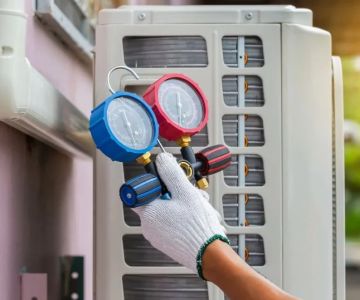
1. Refrigerant Leaks: If low refrigerant levels are the cause of poor airflow, a professional technician will need to handle the recharge and fix any leaks in the system. Refrigerant issues should always be handled by an expert to avoid damaging your AC unit.
2. Persistent Blockages in Ductwork: If you have a blockage deep in the ductwork or need extensive duct cleaning, it’s best to leave the job to a professional. They can perform a thorough inspection and fix any issues safely and effectively.
3. Major Fan or Motor Problems: If the blower fan is malfunctioning or the motor needs replacement, it's time to call a technician. These issues require specialized knowledge and tools to ensure proper repair or replacement.
How to Prevent Low Airflow in the Future
To prevent low airflow problems in the future, it’s important to implement routine maintenance and stay on top of any potential issues. Here are some tips to keep your system running smoothly:
1. Schedule Regular Maintenance: Have your AC unit inspected and serviced at least once a year. A professional can clean the coils, check refrigerant levels, and ensure that the blower fan and other components are functioning properly.
2. Replace Filters Regularly: Make it a habit to replace your air filters every 1-3 months, especially during peak cooling seasons. This will ensure that your system is always operating at its best.
3. Clean Vents and Ducts Periodically: Periodically clean your vents and ducts to prevent blockages and ensure proper airflow. Consider professional duct cleaning every few years to maintain efficiency.
4. Install a Programmable Thermostat: A programmable thermostat can help regulate your home's temperature and airflow more efficiently. It will ensure that your system isn’t working harder than it needs to, reducing strain on the system and helping to maintain optimal airflow.
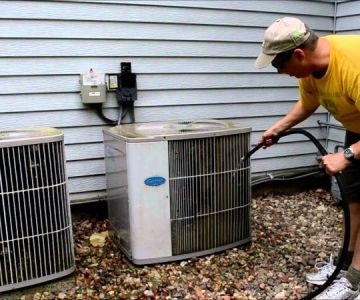
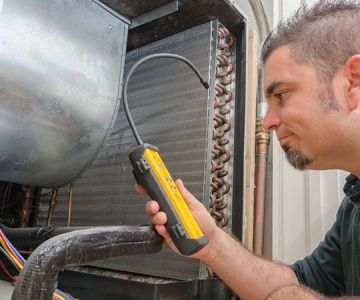
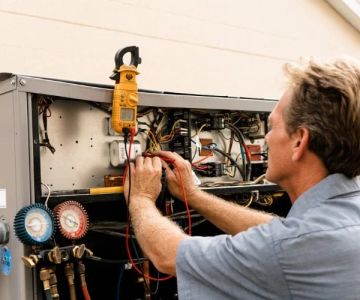
 Dan Simon Heating and Cooling4.0 (5 reviews)
 Extreme Climate Controls4.0 (12 reviews)
 Air Current Inc.4.0 (131 reviews)
 Red Star Cooling & Heating DFW5.0 (3 reviews)
 Dominion Air & Heat LLC5.0 (6 reviews)
 Wolfer Heating and Cooling LLC5.0 (160 reviews)
 Fastest Way to Fix Air Conditioning Without Getting Overcharged – Quick Tips and Expert Advice
 10 Signs It's Time to Fix Air Conditioning Leak
 How to Fix Your Air Conditioner Like a Pro | AC Repair Guide
 DIY vs Professional AC Repair: Should You Fix Your AC Yourself?
 Best Services That Fix Air Conditioning Near You Today
 How to Fix AC Condenser Without Spending a Fortune