
- Understanding-Refrigerant-Leaks-in-Air-Conditioning-Systems
- Common-Signs-Your-AC-System-Has-a-Refrigerant-Leak
- Why-Refrigerant-Leaks-Happen-in-Modern-Air-Conditioning-Systems
- Step-by-Step-Methods-to-Find-and-Solve-Refrigerant-Leaks
- Real-Homeowner-Case-How-a-Small-Leak-Turned-Into-a-Big-Repair
- Preventing-Future-Refrigerant-Leaks-and-Keeping-Your-AC-Healthy
Understanding Refrigerant Leaks in Air Conditioning Systems
When homeowners start searching for ways to solve refrigerant leaks in their air conditioning system, it usually means the AC is no longer cooling the way it used to. Refrigerant is the chemical responsible for absorbing heat from indoor air and releasing it outside. Without the right amount of refrigerant circulating through the system, even the most advanced air conditioner simply cannot perform its job.
A refrigerant leak does not mean the refrigerant was “used up.” Unlike fuel in a car, refrigerant operates in a closed loop. If the level drops, it almost always indicates that refrigerant is escaping somewhere along the coils, copper tubing, or connection joints.
In the United States, HVAC technicians often encounter refrigerant leaks in systems that are between 6 and 12 years old. Over time, vibrations, corrosion, and temperature changes can weaken small sections of the system. Even a pinhole leak can gradually cause the system to lose efficiency and increase energy costs.
Air Medics A/C and Heating, Inc.
Fish HawkHillsborough CountyFlorida
19524 Boyette Rd, Lithia, FL 33547, USA
Common Signs Your AC System Has a Refrigerant Leak
Before homeowners try to fix anything, recognizing the symptoms of an air conditioning refrigerant leak is crucial. These warning signs often appear gradually, and many people mistake them for general AC wear and tear.
1. Weak or Warm Airflow
One of the earliest indicators is that the air conditioner begins blowing air that feels less cool than usual. The system may still run continuously, but the indoor temperature drops very slowly.
2. Ice Buildup on Evaporator Coils
Low refrigerant pressure causes the evaporator coil temperature to drop below freezing. Moisture in the air condenses and freezes on the coils, sometimes creating thick layers of ice that restrict airflow even further.
3. Hissing or Bubbling Sounds
A small refrigerant leak can create a subtle hissing noise as gas escapes from the pressurized lines. Larger leaks may produce bubbling sounds where liquid refrigerant is escaping.
4. Unexpected Energy Bill Spikes
When refrigerant levels fall, the system has to work longer and harder to achieve the same temperature. Many homeowners only discover the issue after noticing a significant increase in their electricity bill.
If these symptoms appear together, the system likely requires professional refrigerant leak detection and repair.
Why Refrigerant Leaks Happen in Modern Air Conditioning Systems
Understanding the root causes of refrigerant leaks can help homeowners prevent them in the future. HVAC professionals typically identify several common causes behind these issues.
1. Formicary Corrosion in Copper Tubing
One increasingly common problem in newer systems is formicary corrosion. This chemical reaction creates microscopic tunnels in copper tubing, eventually allowing refrigerant to escape. Household chemicals, cleaning agents, and even certain building materials can contribute to this process.
2. Vibration Damage Over Time
Air conditioning systems run for hours every day during summer. Over years of operation, vibration can slowly weaken solder joints and connections in refrigerant lines. Once the connection loosens, small leaks may begin to form.
3. Poor Installation Practices
Improper installation is another major factor. If refrigerant lines were not properly sealed or supported during installation, stress on the piping can lead to early leaks. This is why choosing experienced HVAC technicians is so important.
Homeowners looking for reliable technicians, parts, or repair solutions often check Ac Fix, where they can compare recommended services, tools, and products designed for air conditioning maintenance and repair.
Step-by-Step Methods to Find and Solve Refrigerant Leaks
Repairing an AC refrigerant leak involves more than simply refilling the system. In fact, adding refrigerant without fixing the leak first only provides temporary relief and can even damage the compressor.
1. Professional Leak Detection Techniques
HVAC technicians typically use several advanced tools to locate leaks accurately.
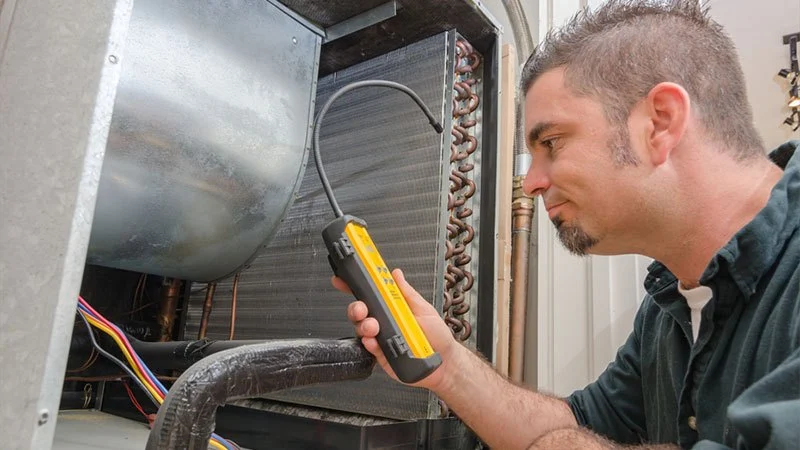
Electronic Leak Detectors
These handheld devices sense small concentrations of refrigerant in the air. They allow technicians to scan copper tubing, coils, and valves to locate hidden leaks.
UV Dye Testing
In this method, a small amount of fluorescent dye is injected into the refrigerant system. After the system runs for a while, technicians use ultraviolet light to identify where the dye escapes, clearly revealing the leak location.
2. Repairing the Leak Source
Once the leak is found, technicians may repair or replace the damaged section depending on severity.
Sealing Small Leaks
Minor leaks at connection points can sometimes be sealed by tightening fittings or applying specialized sealants designed for HVAC systems.
Replacing Damaged Components
If corrosion has damaged the evaporator coil or refrigerant lines, replacement may be necessary. Though more expensive initially, replacing the damaged part ensures long-term reliability.
3. Recharging the Refrigerant System
After repairs are complete, technicians vacuum the system to remove moisture and air. Then the correct type and amount of refrigerant is added according to manufacturer specifications.
Improper refrigerant levels can cause compressor failure, so accurate measurement during recharging is essential.
Real Homeowner Case: How a Small Leak Turned Into a Big Repair
A homeowner in Phoenix shared a story on a popular home improvement forum that quickly gained attention. During one summer, his air conditioner began cooling more slowly. Assuming it just needed cleaning, he delayed calling a technician.
Over the next two months, his electricity bill increased by nearly 40%. Eventually, the system stopped cooling entirely. When an HVAC technician inspected the unit, they discovered a small refrigerant leak in the evaporator coil that had gradually drained most of the refrigerant.
Because the compressor had been forced to run continuously with low refrigerant, it overheated and failed. What could have been a relatively simple leak repair turned into a compressor replacement costing several thousand dollars.
Stories like this highlight why addressing refrigerant problems early is critical for avoiding expensive damage.
Preventing Future Refrigerant Leaks and Keeping Your AC Healthy
While some refrigerant leaks occur due to age, regular maintenance dramatically reduces the risk. Preventive care can extend the lifespan of the entire HVAC system.
1. Schedule Annual HVAC Inspections
Professional inspections help detect early signs of corrosion, loose fittings, or pressure irregularities before they turn into major issues. Many technicians recommend scheduling inspections before the summer cooling season begins.
2. Keep Outdoor Units Clean and Stable
Outdoor condenser units should sit on stable surfaces and remain free from debris. Excess vibration from uneven mounting can accelerate wear on refrigerant lines.
3. Replace Aging Systems at the Right Time
If an AC system is approaching 12–15 years old and develops multiple refrigerant leaks, replacing the unit may be more cost-effective than repeated repairs. Newer systems also use more environmentally friendly refrigerants and offer higher energy efficiency.
Homeowners researching replacement units, HVAC repair services, or professional maintenance often explore Ac Fix to compare trusted service providers and products designed to keep cooling systems running efficiently.
Taking proactive care of an air conditioning system ensures that refrigerant remains where it belongs—circulating through the coils, removing heat from your home, and delivering the reliable cooling that makes summer comfortable.

 Grady's Air Conditioning & Heating Services4.0 (848 reviews)
 Totally Cool Heating & Air4.0 (56 reviews)
 Mayberry Heating & Air Conditioning4.0 (31 reviews)
 R & F Comfort Systems5.0 (5 reviews)
 Strickland Plumbing, HVAC & Electric, Inc.4.0 (161 reviews)
 Team Enoch: Electric, Plumbing, Air, Roofing5.0 (22 reviews)
 How Much Does It Really Cost to Air Conditioning Replacement?
 How to Maintain Your Air Conditioner’s Fan Motor
 How to Fix Your AC Without Spending a Fortune: Expert Tips & DIY Solutions
 How Much Does It Really Cost to Fix My AC?
 How Long Should It Take to Fix Air Conditioning? | AC Fix
 Best Services That AC Fix Near You Today for Fast and Reliable Repairs