
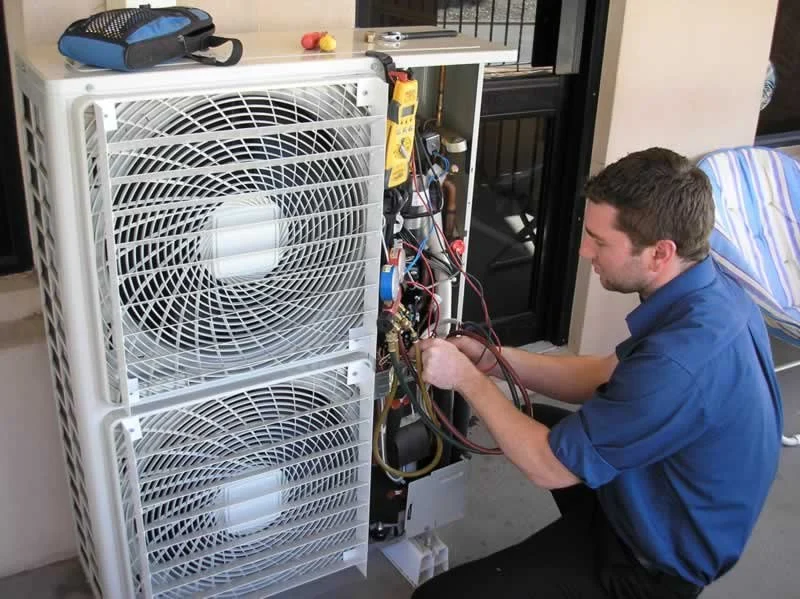
Everything You Need to Know Before You Fix AC Condenser
When your air conditioning system starts malfunctioning, one of the most common culprits is the AC condenser. Understanding how to troubleshoot and fix it can save you time, money, and frustration. In this guide, we’ll walk you through everything you need to know before attempting to fix an AC condenser, from recognizing common signs of a malfunction to deciding whether to hire a professional or tackle the repair yourself.
- Signs of a Bad AC Condenser
- Tools Needed for AC Condenser Repair
- How to Fix Your AC Condenser
- Should You Call a Professional?
- Preventative Maintenance to Avoid Future Issues
1. Signs of a Bad AC Condenser
Your AC condenser is responsible for releasing the heat from your home. When it malfunctions, your cooling system won’t function properly. Recognizing the signs of a bad condenser early can help you address the problem before it gets worse.

1.1 Common Symptoms
- Warm Air Blowing: If your AC is blowing warm air instead of cold, this could indicate an issue with the condenser.
- Frozen Coils: A malfunctioning condenser can cause the evaporator coils to freeze, blocking the air flow.
- Noisy Operation: Unusual noises, such as clanking or buzzing, may be a sign of a malfunctioning or damaged condenser.
- Foul Odors: A burnt smell or an odor similar to something electrical burning could be an indicator that your condenser is failing.
2. Tools Needed for AC Condenser Repair
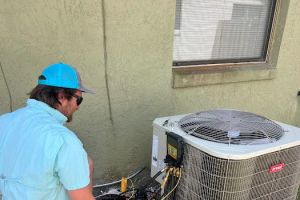
Before you start working on your AC condenser, it’s important to have the right tools on hand. Here are the basics you’ll need to get the job done:
2.1 Essential Tools
- Wrenches and Pliers: For removing and replacing condenser components.
- Multimeter: To check the electrical components for any faults.
- Vacuum Pump: To remove moisture and contaminants from the system.
- AC Leak Detector: To find refrigerant leaks if necessary.
- Protective Gear: Always wear gloves and goggles for safety while working on your system.
3. How to Fix Your AC Condenser
If you’ve determined that your AC condenser is the issue, here’s a step-by-step guide to help you fix it:
3.1 Step-by-Step Repair Process
- Turn Off the Power: Before working on the condenser, ensure the power to the system is completely turned off to avoid electrical shock.
- Check for Blockages: Inspect the condenser coils for any debris, such as leaves or dirt, that could be obstructing airflow. Clean them if necessary.
- Inspect the Condenser Fan: The fan should be spinning freely. If it’s not, it may need lubrication or replacement.
- Replace Damaged Parts: If any parts of the condenser are visibly damaged or broken, they’ll need to be replaced. Common components to replace include the fan motor, capacitor, or coils.
- Refrigerant Levels: If the system is low on refrigerant, you’ll need to recharge it using a proper AC refrigerant refill kit.
- Test the System: Once the repairs are complete, test the system by turning the power back on and checking if it blows cool air.
4. Should You Call a Professional?
While fixing an AC condenser is a task that some homeowners can manage on their own, there are instances when calling in a professional is the best course of action. Here are some situations to consider:
4.1 When to Call a Professional
- Complex Issues: If the condenser is severely damaged or there’s an issue with the compressor or refrigerant, it’s best to consult with a professional.
- Inexperienced: If you’re unsure about handling electrical components or refrigerant, it’s safer to leave the job to an expert.
- Warranties: If your AC unit is still under warranty, attempting to fix it yourself might void the coverage.
5. Preventative Maintenance to Avoid Future Issues
To avoid future issues with your AC condenser, it’s important to perform regular maintenance:
5.1 Regular Cleaning
Ensure the condenser coils and fan are cleaned at least once a year. Clear any debris from around the unit to ensure proper airflow.
5.2 Check Refrigerant Levels
Ensure the refrigerant levels are at the correct amount, as low refrigerant can cause the condenser to overheat and malfunction.
5.3 Inspect the System Annually
Have a professional inspect the entire air conditioning system once a year to detect potential problems before they become major issues.
If you're in need of professional help or parts for your AC system, visit Ac Fix for the best services and products tailored to your needs.


 McKinney's Heating and Air Conditioning5.0 (37 reviews)
 Hexagon Air & Heat4.0 (33 reviews)
 American Air4.0 (25 reviews)
 Meineke Car Care Center4.0 (253 reviews)
 ACMAN LLC5.0 (29 reviews)
 Home Services at The Home Depot5.0 (6 reviews)
 Best Practices for a Successful and Affordable AC Fix
 How to Fix an AC Condenser Like a Pro: Expert Tips & Guide
 Best AC Repair Services Near You | AC Fix
 How Long Does It Take to Fix Air Conditioning? Repair Time Explained
 What to Do When You Need to Fix Your Air Conditioner Immediately
 How Much Does It Really Cost to Fix Air Conditioning Leak?