
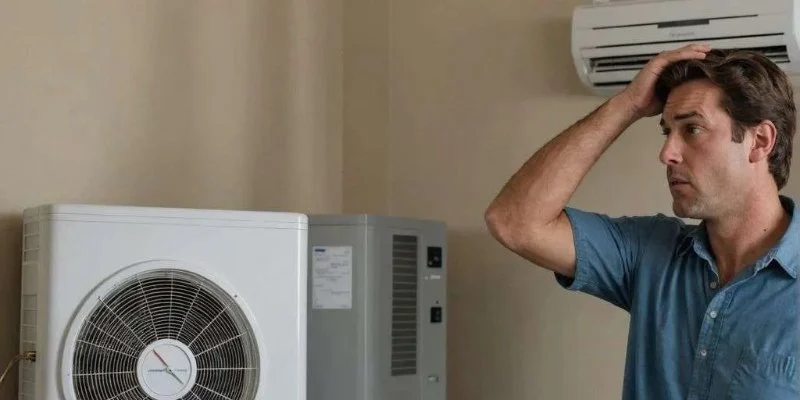
- Why is My Air Conditioner Blowing Weak Air?
- Common Causes of Weak Airflow in Air Conditioners
- Steps to Troubleshoot Weak Airflow in Your AC
- How to Prevent Weak Airflow in the Future
- Real-Life Case Study: Fixing a Weak Airflow Problem
- Conclusion: Restoring Your AC’s Performance
Why is My Air Conditioner Blowing Weak Air?
Weak airflow from an air conditioner can be a frustrating issue, especially during the hot summer months when you rely on your AC to stay cool. Weak air can lead to poor cooling performance and increased energy consumption, as the system works harder to maintain the desired temperature. The problem might seem minor at first, but ignoring it can lead to more severe issues. Understanding why your air conditioner is blowing weak air is the first step in troubleshooting and fixing the issue effectively.
Common Causes of Weak Airflow in Air Conditioners
There are several reasons why your air conditioner might be blowing weak air. Some of the most common causes include:
- Clogged Air Filter: One of the most common causes of weak airflow is a clogged air filter. Over time, dust, dirt, and debris can accumulate on the filter, blocking the airflow and reducing the AC's ability to circulate cool air.
- Dirty Coils: The evaporator and condenser coils are crucial for heat exchange in your AC system. When these coils get dirty, they can’t function properly, leading to weak airflow and inefficient cooling.
- Low Refrigerant Levels: If your AC is low on refrigerant, it may not be able to cool the air effectively. This can result in reduced airflow, as the system struggles to remove heat from the air.
- Blocked Vents or Ducts: Blockages in the vents or ducts can restrict the airflow from the air conditioner. This can be caused by objects blocking the vents or a buildup of dust and debris inside the ducts.
- Faulty Blower Fan: The blower fan is responsible for pushing air through the ducts and into your home. If the fan is malfunctioning, the airflow will be weak, and the AC may not cool the air effectively.
Steps to Troubleshoot Weak Airflow in Your AC
Once you’ve identified the potential causes of weak airflow, you can begin troubleshooting. Here are some steps to help you resolve the issue:
- Check the Air Filter: Start by checking the air filter. If it’s clogged, replace it with a new one. A clean filter will allow air to flow freely through the system and improve airflow.
- Clean the Coils: If the evaporator or condenser coils are dirty, clean them carefully. Turn off the AC and use a soft brush or coil cleaner to remove dust and debris from the coils. For more extensive cleaning, consider contacting a professional technician.
- Check the Refrigerant Levels: If you suspect low refrigerant, it’s best to call an HVAC professional. Low refrigerant levels usually indicate a leak, which should be repaired by a licensed technician to prevent further damage.
- Inspect the Vents and Ducts: Check all vents in the house to ensure they are open and unobstructed. Use a vacuum or brush to clean any visible dust or debris in the ducts. If you can’t reach the ducts easily, consider calling a professional duct cleaning service.
- Examine the Blower Fan: Listen for unusual noises from the blower fan or check for any visible signs of damage. If the fan is faulty, you may need to replace it to restore proper airflow.
How to Prevent Weak Airflow in the Future
Once you've resolved the weak airflow issue, it’s important to take steps to prevent it from happening again. Here are some tips for maintaining optimal airflow in your air conditioner:
- Change the Air Filter Regularly: Change your AC’s air filter every 1-3 months, depending on usage. This simple maintenance task will help keep airflow strong and reduce strain on your system.
- Schedule Regular Maintenance: Have your air conditioner professionally serviced once a year to clean the coils, check the refrigerant levels, and inspect the overall system. Regular maintenance helps prevent problems before they arise.
- Seal Ducts and Vents: Ensure that your home’s ducts and vents are properly sealed to prevent air leaks. Leaky ducts can reduce the efficiency of your system and cause weak airflow.
- Keep the Area Around the AC Unit Clean: Ensure that the area around your outdoor unit is free from debris, such as leaves or grass. Keeping the area clean helps maintain proper airflow and system efficiency.
Real-Life Case Study: Fixing a Weak Airflow Problem
Take the example of Sarah, a homeowner who noticed that her air conditioner was blowing weak air, especially on the hottest days. After troubleshooting the system, Sarah found that the air filter was heavily clogged, and the evaporator coils were coated with dust. She replaced the filter and cleaned the coils herself, following online tutorials. However, the weak airflow persisted, and she called in a professional technician. The technician found that the blower fan was malfunctioning and needed to be replaced. After the repair, Sarah’s air conditioner was back to its optimal performance, and her home stayed cool and comfortable even during the summer heat.
Conclusion: Restoring Your AC’s Performance
If your air conditioner is blowing weak air, there’s no need to panic. By following the troubleshooting steps outlined in this article, you can likely resolve the issue yourself. However, some problems, such as low refrigerant or a malfunctioning blower fan, require professional attention. To ensure that your air conditioner remains in top condition, be proactive about maintenance. Regularly change the filter, clean the coils, and inspect the system for any potential issues. For more tips and high-quality air conditioning products, visit Ac Fix to get the best solutions for keeping your AC running smoothly.

 Lackey Electric & Refrigeration4.0 (8 reviews)
 Cozart Air Conditioning5.0 (6 reviews)
 Soileau's Heating & Air Conditioning4.0 (13 reviews)
 Arctic Air Heating, Air Conditioning & Plumbing4.0 (1197 reviews)
 Services Unlimited Heating and Air, Inc4.0 (169 reviews)
 Winters Heating and Cooling4.0 (65 reviews)
 Who Should You Trust When You Need to Fix a Wall Air Conditioner? Expert Guide
 How to Fix an Air Conditioner That Won’t Cool Your Room
 Affordable AC Repair Companies Near You: Finding the Best Service in 2024
 How to Diagnose an Air Conditioner Compressor Failure and Fix It
 Everything You Need to Know Before You Fix Air Conditioning
 Experts Explain How to Fix AC Unit Like a Pro – Professional Tips and Real Cases