
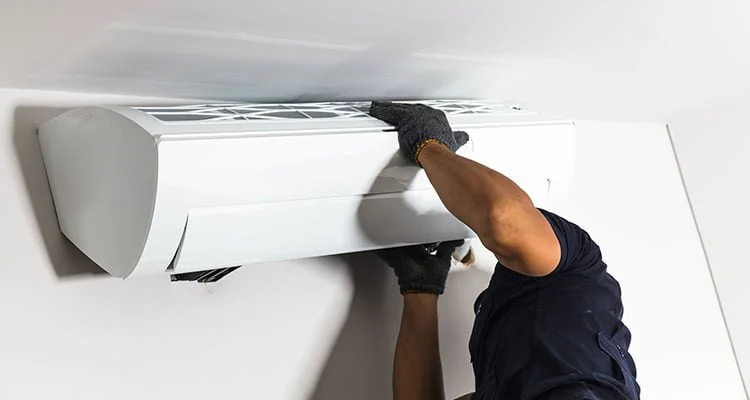
- Understanding DIY AC Repair
- Pros of Fixing Your AC Yourself
- Cons of Fixing Your AC Yourself
- When to Call a Professional for AC Repair
- AC Maintenance Tips for Long-Term Efficiency
1. Understanding DIY AC Repair
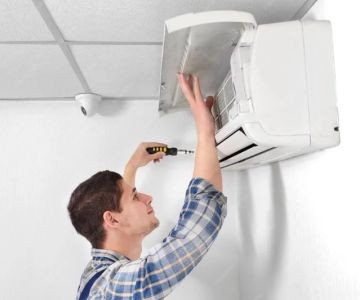
When your central air conditioning unit isn't working as efficiently as it should, the first instinct may be to try fixing it yourself. Many homeowners attempt to troubleshoot their AC system in an effort to save money and avoid professional repair costs. While DIY repairs can seem cost-effective, it’s important to understand the potential risks and challenges involved.
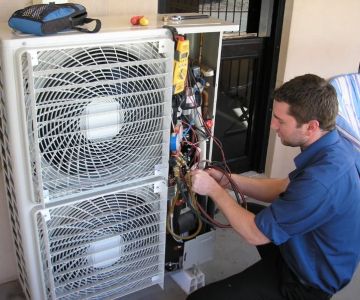
AC systems are complex and rely on electrical and refrigerant components that require specific knowledge and tools to repair. So, before diving into DIY repairs, it's crucial to accurately diagnose the problem and understand your skill level. In some cases, DIY attempts can lead to further damage or even void your warranty.

One Hour Air Conditioning and Heating
BroussardLafayette ParishLouisiana
2931 Hwy 90 E, Broussard, LA 70518, USA
2. Pros of Fixing Your AC Yourself
There are several reasons why some homeowners choose to repair their AC units themselves. Below are some of the benefits of attempting DIY AC repair:
The Right Choice Heating and Air Inc
2414 W University Dr Suite 122 E, McKinney, TX 75071, USA
2.1 Cost Savings
The most obvious benefit of fixing your central air conditioning unit yourself is the potential cost savings. Professional AC repairs can be expensive, especially if it involves replacing major components like the compressor or evaporator coils. By handling simple issues such as replacing air filters, cleaning condenser coils, or fixing a clogged drain line, you can avoid the costs associated with calling in a technician.
2.2 Convenience and Immediate Action
If your AC stops working during a hot summer day, you may not want to wait for a professional technician to become available. By taking matters into your own hands, you can address the problem immediately. This can provide peace of mind and comfort, especially if you live in a region with high temperatures.
2.3 Learning Experience
Fixing your own AC unit can also be a valuable learning experience. It allows you to familiarize yourself with the components of your air conditioning system and how they work together. Over time, this knowledge can help you identify problems earlier and perform basic maintenance tasks, extending the life of your unit.
3. Cons of Fixing Your AC Yourself
Despite the potential benefits, there are significant downsides to attempting DIY AC repairs. Below are some common drawbacks of fixing your AC without professional help:
3.1 Risk of Further Damage
One of the biggest risks of DIY repairs is the potential to make the problem worse. AC units are complex machines, and a small mistake can cause further damage to delicate components. For instance, mishandling the refrigerant lines or wiring could result in a malfunctioning system that requires more expensive repairs down the line.
3.2 Safety Concerns
Working with electrical components or refrigerants can be dangerous if you don't have the proper training. Electric shocks, refrigerant leaks, and even fires can occur if you're not cautious or if you lack the necessary safety equipment. Inexperienced repairs can lead to costly safety hazards in addition to system breakdowns.
3.3 Voiding Your Warranty
Most air conditioning units come with a warranty that covers repair costs if professional service is required. However, attempting DIY repairs without proper knowledge may void your warranty. This means you could be left with the full financial responsibility for any future repairs, even if the issue is related to the original manufacturing fault.
4. When to Call a Professional for AC Repair
While some minor repairs can be handled by homeowners, there are times when it's best to call a professional. If you’re dealing with major AC issues such as compressor failure, refrigerant leaks, or electrical problems, it’s essential to reach out to a certified HVAC technician. A professional will have the right tools and knowledge to fix the issue safely and effectively, ensuring that your system operates at peak performance.
Additionally, if you’ve tried troubleshooting the issue yourself and are unable to identify the cause, it’s time to bring in an expert. Proper diagnosis and repair are key to maintaining your air conditioning unit's longevity.
5. AC Maintenance Tips for Long-Term Efficiency
Preventive maintenance can go a long way in keeping your AC system in good working order. Here are a few simple tips to keep your system running smoothly:
- Change or clean air filters every 1-3 months
- Clear debris around the outdoor unit to ensure proper airflow
- Schedule an annual tune-up with a professional HVAC technician
- Ensure your thermostat is calibrated correctly
Regular maintenance can prevent major breakdowns and help your AC system perform efficiently for years.
Conclusion
Whether or not you should attempt to fix your central air conditioning unit on your own depends on the issue at hand and your level of experience. For minor repairs and maintenance tasks, DIY efforts can be cost-effective and educational. However, for complex issues, it’s best to call in a professional to avoid making the problem worse or compromising your safety. For reliable AC repair and professional service, visit Ac Fix to get the help you need to keep your system working efficiently.

 Rabroker Air Conditioning and Plumbing3.0 (63 reviews)
 Fuse HVAC and Appliance Repair4.0 (283 reviews)
 Kimco Plumbing & Air5.0 (176 reviews)
 Starnes Mechanical4.0 (16 reviews)
 Cold Evolution Systems Heating and Air LLC5.0 (10 reviews)
 Oak Grove Heating & Air Conditioning4.0 (50 reviews)
 10 Signs It's Time to Fix an Air Conditioning Leak
 Who Should You Trust When You Need to Fix a Wall Air Conditioner? Expert Guide
 Top Ways to Fix Your AC Unit Quickly and Affordably in Your Area
 Who Should You Trust When You Need to Air Conditioning Replace? Tips and Advice
 Best Services That Fix AC Condenser Near You Today
 Top Ways to Get Your AC Fixed Quickly and Affordably in Your Area