
- 1. Common Causes of an AC Not Blowing Cold Air
- 2. Step-by-Step Fixes to Try
- 3. When to Call a Professional
- 4. Preventive Measures to Keep Your AC Running Smoothly
1. Common Causes of an AC Not Blowing Cold Air
When your air conditioner isn’t blowing cold air, it can be frustrating, especially during the hot summer months. Several factors could be causing this issue. Understanding the common causes can help you troubleshoot and potentially fix the problem yourself. Some of the most frequent causes include:

Clogged Air Filter
One of the most common causes of warm air blowing from your AC is a clogged air filter. A dirty filter restricts airflow, making it harder for the system to cool the air properly. Replacing or cleaning the air filter is a simple fix that can often resolve the issue.
Refrigerant Leaks
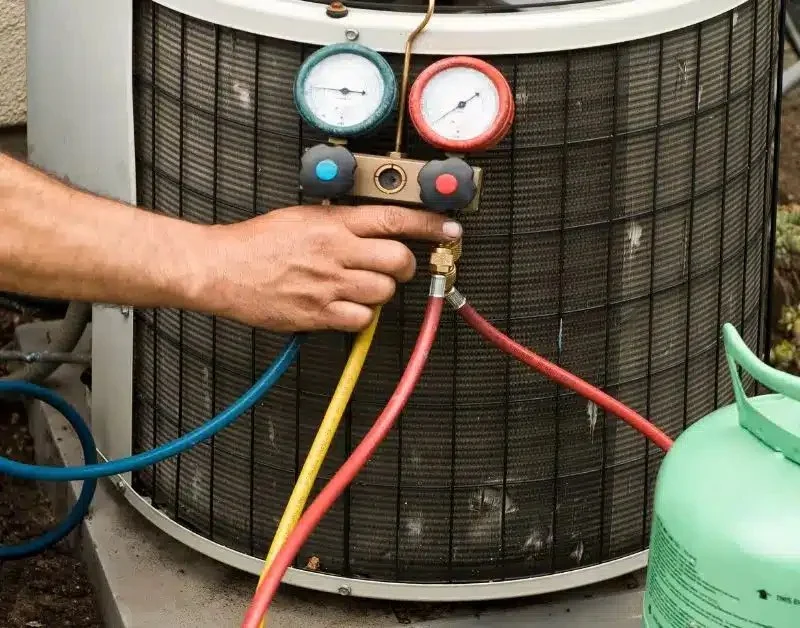
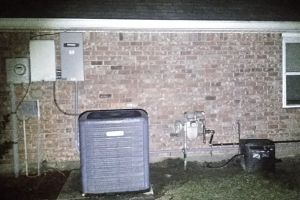
If your AC is low on refrigerant, it will struggle to cool the air. Refrigerant leaks are a common cause of AC problems, and while you can’t refill the refrigerant yourself, this issue often requires professional attention to locate and repair the leak.
Frozen Coils
If the evaporator coils of your AC freeze over, the air conditioner will stop blowing cold air. This can happen due to restricted airflow (caused by a dirty air filter) or low refrigerant levels. Defrosting the coils and addressing the root cause of the freeze is essential for restoring your AC’s cooling function.
Thermostat Issues
A malfunctioning thermostat can also prevent your AC from cooling effectively. If the thermostat is incorrectly calibrated or faulty, it might not signal the system to cool the air. Ensure that your thermostat is set to a lower temperature and that it’s functioning correctly.
2. Step-by-Step Fixes to Try
If your air conditioner isn’t blowing cold air, there are several troubleshooting steps you can try before calling a professional. Follow these steps to see if you can fix the issue yourself:
Step 1: Check the Thermostat
Make sure your thermostat is set to “cool” mode and that the temperature is set to a lower value than the current room temperature. If the thermostat has a battery, try replacing it to ensure it’s functioning properly.
Step 2: Clean or Replace the Air Filter
Turn off the AC and inspect the air filter. If it’s clogged with dirt or dust, clean or replace it. A clean filter improves airflow and helps your system cool the air more efficiently.
Step 3: Inspect the Refrigerant Lines
Check the refrigerant lines for any visible damage or ice buildup. If you notice frozen lines, turn off the AC and allow it to thaw before attempting to turn it back on. If the refrigerant is low, you will need to call a technician to top it off.
Step 4: Unfreeze the Coils
If the coils are frozen, you can defrost them by turning off the AC and allowing the system to warm up. Once thawed, check for airflow obstructions (like a dirty filter) and address the issue before restarting the system.
Step 5: Ensure Proper Airflow
Make sure that there are no obstructions around your AC unit’s vents. Furniture, curtains, or dirt can restrict airflow and reduce the system’s efficiency. Clear any obstructions and check the airflow to ensure the system is functioning properly.
3. When to Call a Professional
If you’ve gone through the troubleshooting steps and your air conditioner is still not blowing cold air, it’s time to call a professional. Here are some situations where professional help is necessary:
Persistent Refrigerant Leaks
If your system is low on refrigerant or if you suspect a refrigerant leak, you’ll need a professional to diagnose and fix the issue. Refrigerant leaks require specialized tools and knowledge to repair, and refilling refrigerant can be dangerous if not done correctly.
Electrical Problems
If your AC unit is experiencing electrical issues, such as faulty wiring or a malfunctioning compressor, it’s best to hire a licensed technician. Electrical problems can be dangerous to fix on your own and may cause further damage if not properly addressed.
Frozen Evaporator Coils
While you can defrost the coils yourself, recurring freezing can be a sign of an underlying problem, such as low refrigerant or a malfunctioning part. A professional can inspect your system and determine the cause of the freezing.
4. Preventive Measures to Keep Your AC Running Smoothly
To avoid future issues with your air conditioner, here are some preventive measures you can take:
Regular Maintenance
Schedule regular maintenance for your AC unit, at least once a year, to ensure that it’s running efficiently. A professional can clean the coils, check the refrigerant levels, and perform other necessary tasks to keep your system in top shape.
Replace Filters Regularly
Change or clean the air filter every 1-3 months, depending on your system’s usage. A clean filter promotes better airflow and prevents dust buildup that could lead to AC malfunctions.
Keep Vents Clear
Ensure that vents and registers are unobstructed to allow for maximum airflow. Check the areas around your AC unit for obstructions, such as furniture or debris, and remove anything blocking the airflow.
 Renew Heating And Air LLC5.0 (15 reviews)
 True Air Heating & Cooling4.0 (72 reviews)
 ATEAM APPLIANCE CONSULTANTS4.0 (48 reviews)
 Comfort Tech Mechanical5.0 (16 reviews)
 A Plus Heating & Air Conditioning4.0 (6 reviews)
 All About Plumbing - Mills River4.0 (2310 reviews)
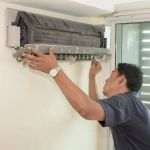 How to Identify and Fix an Air Conditioner That’s Leaking
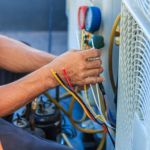 When to Call a Professional for Your Air Conditioner Repair
 How to Repair a Faulty Air Conditioner Compressor
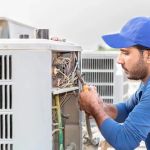 Affordable AC Repair Services Near You: Find Cheap Fixes for Your Air Conditioner
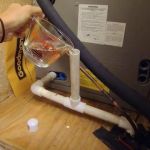 How to Fix Air Conditioner Drain Line Clogs and Prevent Water Damage
 How Often Should You Have Your Air Conditioner Serviced for Peak Performance?