
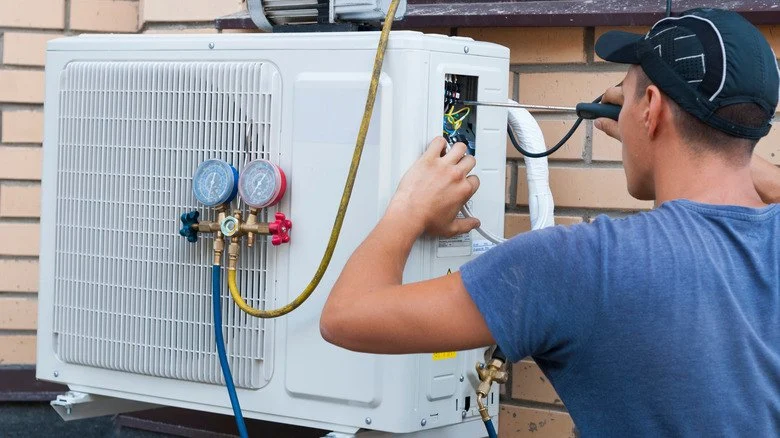
How Much Does It Really Cost to Replace an Air Conditioning Unit?
Replacing an air conditioning (AC) unit can be a significant investment, and understanding the true cost of the replacement is essential for homeowners. While the exact price can vary based on several factors, it’s important to get a clear idea of what you’ll be paying for—whether it’s for a standard replacement or a more complex installation. In this article, we’ll break down the costs involved in replacing an air conditioning unit, the factors that influence the price, and some practical tips to help you plan and budget for the replacement.
- 1. Factors That Affect the Cost of AC Replacement
- 2. What Is the Average Cost of Replacing an AC Unit?
- 3. Additional Costs to Consider in AC Replacement
- 4. Ways to Save Money on AC Replacement
- 5. Real-Life Case Studies of AC Replacement Costs
1. Factors That Affect the Cost of AC Replacement
Before we dive into the specifics of how much it costs to replace an air conditioning unit, it's essential to understand the key factors that will influence the price:
Cody & Sons Plumbing, Heating & Air
701 E Plano Pkwy Suite 400, Plano, TX 75074, USA
1.1 Size and Capacity of the AC Unit
The size of your air conditioning unit plays a crucial role in determining the cost. The larger the unit, the more expensive it will be. AC units are sized based on their cooling capacity, measured in tons. A standard residential AC unit typically ranges from 1.5 to 5 tons. A higher-capacity unit, suited for larger homes or more intense cooling needs, will naturally cost more.
1.2 Type of System (Central AC, Ductless, etc.)
The type of air conditioning system you choose will also influence the overall cost. Central AC systems are the most common and typically cost more than ductless mini-split systems, which offer flexibility but may require additional installation work. Additionally, if you opt for a high-efficiency or eco-friendly system, this can also impact the cost.
1.3 Installation Complexity
Installation is a significant part of the total cost. If the replacement requires upgrading existing ductwork or additional electrical work, it will increase the cost. Simple replacements are typically less expensive, but any custom work needed to ensure optimal performance may add hundreds or even thousands of dollars to the final bill.
1.4 Brand and Model
Not all air conditioning brands are created equal. Premium brands with higher energy efficiency ratings, advanced features, and longer warranties may have higher upfront costs but can save money in the long run due to lower operating costs. It’s essential to balance your budget with the desired quality and efficiency when selecting your AC unit.
1.5 Location
Your location can significantly impact the cost of AC replacement. Labor rates and regional market conditions can vary widely. For instance, if you live in a hot climate, demand for AC replacements may be higher, driving up the price. Additionally, shipping and delivery costs for larger units can vary depending on your location.
2. What Is the Average Cost of Replacing an AC Unit?
The average cost of replacing an air conditioning unit in the United States typically ranges from $3,000 to $7,500, though the price can vary based on the factors mentioned above. Here’s a rough breakdown of costs:
2.1 Basic AC Unit Replacement
For a basic replacement of an older AC unit with a standard model, you can expect to pay between $3,000 and $5,000. This includes the cost of the unit itself as well as installation, assuming no major modifications are needed to the existing system.
2.2 High-Efficiency or Premium AC Replacement
If you opt for a high-efficiency unit or a premium brand, the price can range from $5,000 to $7,500 or more. These units typically offer better energy efficiency, advanced features, and longer warranties, which can result in lower long-term operating costs.
2.3 Ductless AC System Replacement
Ductless mini-split systems are becoming increasingly popular, particularly in homes without existing ductwork. These systems typically cost between $4,000 and $10,000, depending on the number of units and the complexity of installation. While more expensive upfront, they can be more energy-efficient in certain situations.
3. Additional Costs to Consider in AC Replacement
Aside from the direct costs of the AC unit and installation, there are several other costs that homeowners should be aware of:
3.1 Ductwork Modifications
If your ductwork is outdated, inefficient, or incompatible with your new unit, you may need to invest in ductwork modifications. This can add anywhere from $500 to $2,000 or more, depending on the extent of the work needed.
3.2 Electrical Upgrades
Older homes may require electrical upgrades to handle the increased load of a new AC unit. Upgrading electrical panels or circuits could cost between $500 and $1,500, depending on the complexity of the work required.
3.3 Disposal of the Old Unit
Many contractors will charge an additional fee for removing and disposing of your old AC unit. This cost typically ranges from $100 to $300, depending on local disposal fees and regulations.
4. Ways to Save Money on AC Replacement
While replacing your AC unit can be a significant expense, there are several ways to save money during the process:
4.1 Get Multiple Quotes
Always obtain quotes from multiple contractors before making a decision. This will give you a better idea of the fair market price and help you avoid overpaying for installation or replacement services.
4.2 Take Advantage of Rebates
Many energy-efficient AC units qualify for rebates from utility companies or government programs. Be sure to ask your contractor about available rebates that can help offset the cost of your new unit.
4.3 Opt for Off-Season Installation
AC replacement costs tend to be higher during peak summer months due to increased demand. If possible, schedule your replacement during the off-season (fall or spring), when contractors may offer discounts or more flexible pricing.
4.4 Consider Financing Options
If the upfront cost of replacement is a concern, many HVAC companies offer financing options. These can help you spread the cost of the replacement over time, making it more manageable.
5. Real-Life Case Studies of AC Replacement Costs
To give you a better understanding of the costs involved in AC replacement, here are a few real-life examples:
5.1 Example 1: Basic AC Replacement in a 1,500 Square Foot Home
A homeowner in Texas needed to replace their 15-year-old central AC system. The cost of the unit was $3,500, and installation added another $1,500, bringing the total to $5,000. The home required no major ductwork modifications, so the process was straightforward.
5.2 Example 2: High-Efficiency AC Replacement in a 2,000 Square Foot Home
A homeowner in California opted for a high-efficiency AC unit. The unit itself cost $5,500, and the installation, including some ductwork upgrades, totaled $3,000. The total cost came to $8,500, but the homeowner expects lower energy bills moving forward.
Understanding the true cost of replacing an air conditioning unit involves considering various factors such as size, system type, installation complexity, and regional pricing. By budgeting for these expenses and exploring ways to save, you can make a more informed decision when it's time to replace your AC unit.

 Greenstar Heating and Air5.0 (83 reviews)
 Varner And Rawlings4.0 (34 reviews)
 Mobile RV Repair Tech4.0 (16 reviews)
 Elite Mechanical Systems, LLC4.0 (70 reviews)
 Arkansas Air Heating & Air Conditioning5.0 (92 reviews)
 Airview Air Conditioning Princeton5.0 (103 reviews)
 Who Should You Trust When You Need to Fix Your Central Air Conditioning Unit? | Ac Fix
 Top Ways to Get My AC Fixed Quickly and Affordably in Your Area | AC Fix
 Best Services That Fix AC Condenser Near You Today
 How to Fix Your Air Conditioner Like a Pro | AC Repair Guide
 Immediate Steps to Fix Air Conditioning When It Breaks Down
 What to Do When You Need to Fix Air Conditioning Immediately