
- Understanding the AC Condenser
- Signs You Need to Fix Your AC Condenser
- How to Fix Your AC Condenser
- Tools You'll Need to Fix Your AC Condenser
- Common Mistakes to Avoid When Fixing an AC Condenser
- When to Call a Professional for AC Condenser Repair
1. Understanding the AC Condenser
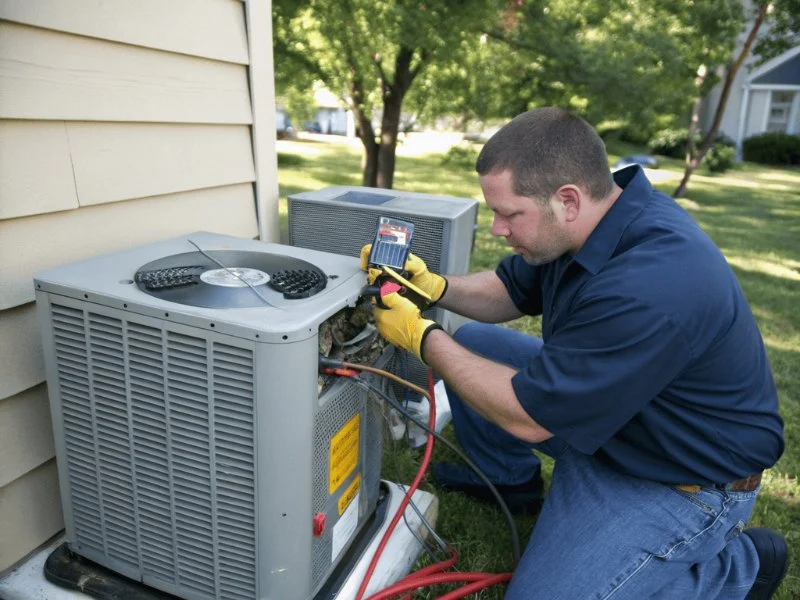
The air conditioner condenser is a critical component of your AC system. It plays a key role in cooling your home by releasing heat absorbed from the indoor air. Understanding how the AC condenser works will help you diagnose issues and understand why certain problems occur.
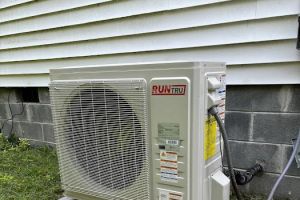
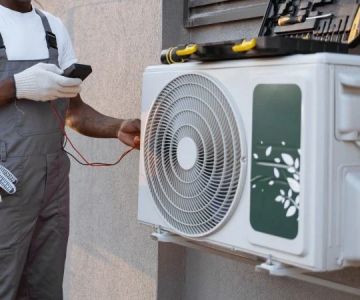
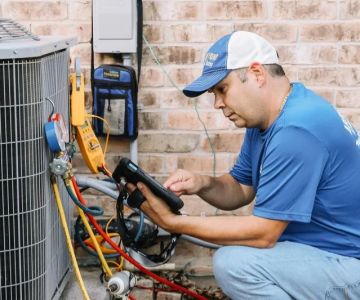
The condenser is typically located outside your home and consists of coils and a fan. The refrigerant fluid that absorbs heat from inside your house passes through these coils, releasing the heat and allowing the refrigerant to cool and return inside the house to start the cycle again. A malfunctioning condenser can cause the entire cooling system to fail, so it’s important to know how to fix or maintain it.
Why Is the Condenser Important?
Without a functioning condenser, your AC can’t effectively release heat, which means it can’t cool your home properly. Over time, if left unmaintained, problems with the condenser can lead to major system failure, resulting in costly repairs. Regular maintenance and proper troubleshooting are key to extending the life of your AC unit.

Cabral Heating and Air Conditioning, LLC
Co Rd 513, Wildwood, FL 34785, USA
2. Signs You Need to Fix Your AC Condenser
Knowing the signs of a malfunctioning AC condenser will help you identify issues early and take action before they become bigger problems. Here are a few common symptoms of a faulty condenser:
1. Lack of Cool Air
If your AC is running but not cooling your home effectively, it could be due to a problem with the condenser. If the condenser isn’t functioning properly, it won’t release heat effectively, preventing your AC from cooling the air as it should.
2. High Energy Bills
When the condenser is inefficient, it can cause your AC system to work harder, leading to an increase in energy consumption and a rise in your energy bills. If you notice unusually high electricity costs, it may be time to inspect your condenser.
3. Unusual Noises
Familiar sounds like the hum of the fan are normal for an AC unit, but if you start hearing strange noises, such as grinding, rattling, or buzzing, it could indicate a problem with the condenser. These sounds often mean that a component of the condenser is damaged or that debris has gotten inside the unit.
4. Leaking Refrigerant
If you notice puddles of refrigerant around your AC unit or detect a coolant leak, this could indicate a problem with the condenser. Leaking refrigerant can lead to the system’s failure, and it's crucial to address this issue immediately.
3. How to Fix Your AC Condenser
Once you’ve identified an issue with your AC condenser, you can attempt some basic repairs if you’re comfortable. Here’s a step-by-step guide to fixing your condenser:
1. Turn Off the Power
Before starting any repair work, always turn off the power to the AC unit at the breaker box. This ensures your safety while working on the unit and prevents electrical shocks.
2. Clean the Condenser Coils
Dirty coils can prevent the condenser from releasing heat properly. Use a soft brush or vacuum to gently remove dirt and debris from the coils. You can also use a coil cleaner specifically designed for air conditioners to clean the coils more effectively.
3. Check the Fan
The fan in the condenser unit is responsible for blowing air over the coils to release heat. If the fan is damaged or clogged with debris, it can’t perform properly. Inspect the fan for damage, and clear any debris that might be obstructing its operation.
4. Inspect for Refrigerant Leaks
Check for any signs of refrigerant leakage around the condenser unit. Leaks can be tricky to fix and often require a professional. If you find a leak, it’s best to contact an HVAC technician to repair it and recharge the system with refrigerant.
5. Clear the Drain Line
Condensate drain lines can become clogged with debris, preventing water from draining properly. If this happens, it can cause water damage to the unit. Use a wet/dry vacuum to clear any blockages in the drain line.
4. Tools You’ll Need to Fix Your AC Condenser
Having the right tools is essential for safely and effectively repairing your AC condenser. Some common tools you'll need include:
1. Screwdrivers
Screwdrivers are necessary for removing panels and accessing the components inside the condenser unit.
2. Coil Cleaning Brush
A coil cleaning brush helps you remove dirt and debris from the condenser coils without damaging them.
3. Wet/Dry Vacuum
A wet/dry vacuum can be used to clean the drain line and remove moisture or debris from the unit.
4. Multimeter
A multimeter will help you test electrical components, such as the fan motor or capacitor, to ensure everything is functioning properly.
5. Common Mistakes to Avoid When Fixing an AC Condenser
Fixing your AC condenser can be a rewarding task, but it’s easy to make mistakes. Here are a few common errors to avoid:
1. Not Turning Off the Power
One of the most dangerous mistakes is not turning off the power before beginning repairs. Always make sure the power is off to avoid electrical hazards.
2. Using Harsh Cleaners
While it’s important to clean the condenser, avoid using harsh chemical cleaners that could damage the coils or the unit. Stick to products designed for AC maintenance.
3. Ignoring Refrigerant Leaks
Refrigerant leaks are a serious issue that can’t be ignored. If you suspect a refrigerant leak, call a professional technician. Attempting to fix a refrigerant leak without proper training can lead to further damage.
6. When to Call a Professional for AC Condenser Repair
While many minor issues with your condenser can be fixed on your own, some problems require professional expertise. Here’s when you should call in a professional:
1. Refrigerant Leaks
As mentioned, refrigerant leaks require professional attention. HVAC technicians have the necessary tools and expertise to locate and repair leaks, as well as refill the refrigerant to the correct levels.
2. Complex Electrical Problems
If you suspect an electrical problem, such as a faulty capacitor or motor, it's best to hire a professional. Electrical issues can be dangerous to fix on your own.
3. Major Mechanical Failures
If the condenser’s fan motor or other key components fail, it may be necessary to replace the entire unit or parts of it. A professional will be able to assess whether a full replacement is needed or if repairs will suffice.
For professional AC condenser repairs and replacement parts, visit Ac Fix to find the right solutions for your needs.

 Orlando Heating and Air Conditioning2.0 (5 reviews)
 American Energy Guard Heating & Air4.0 (60 reviews)
 Prestige Heating & Air LLC5.0 (133 reviews)
 Benchmark Heating & Cooling0.0 (0 reviews)
 Aire-Pro Services LLC4.0 (10 reviews)
 H & H Heating and Air5.0 (30 reviews)
 Fastest Way to Replace Your Air Conditioning Without Getting Overcharged
 What to Do When You Need to Find Someone to Fix Your AC Immediately
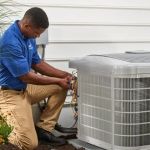 Experts Explain How to Fix an AC Unit Like a Pro
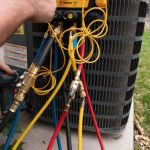 How Much Does It Really Cost to Fix an AC Condenser?
 10 Signs It's Time to Replace Your Air Conditioning System
 How Long Does It Take to Fix Air Conditioning? Repair Time Explained