
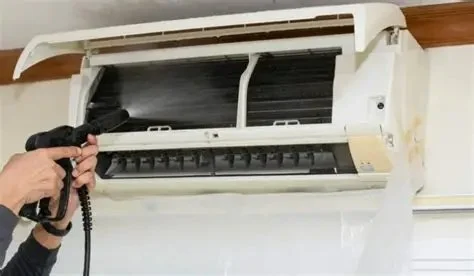
How to Maintain Your AC’s Efficiency with Routine Cleaning
- Why Regular AC Cleaning is Essential
- Steps for Cleaning Your AC Unit
- Common AC Cleaning Mistakes to Avoid
- How Often Should You Clean Your AC?
- Additional Tips for Boosting AC Efficiency
Why Regular AC Cleaning is Essential
Maintaining your air conditioner’s efficiency is crucial for ensuring it works well, especially during hot summer months. Over time, dust, dirt, and debris can accumulate inside the AC unit, blocking airflow and forcing the system to work harder. This results in higher energy bills and potential long-term damage to the unit. Regular cleaning helps prevent these issues, ensuring your AC runs at peak efficiency, saves energy, and extends its lifespan.
Cool Coast Heating & Cooling
7050 15th St E Unit 30, Sarasota, FL 34243, USA
Steps for Cleaning Your AC Unit
Cleaning your air conditioner may seem daunting, but it's a manageable task when broken down into simple steps:
- Turn off the power: Before starting, always switch off the AC unit and unplug it to prevent any electrical accidents.
- Clean or replace the air filters: The air filter is one of the most important parts of your AC system. Dirty filters restrict airflow, making the system less efficient. Clean or replace the filters every 1-3 months, depending on usage.
- Clean the evaporator coils: The evaporator coils can get covered with dirt, which affects the cooling process. Use a soft brush or coil cleaner to gently clean the coils, being careful not to damage them.
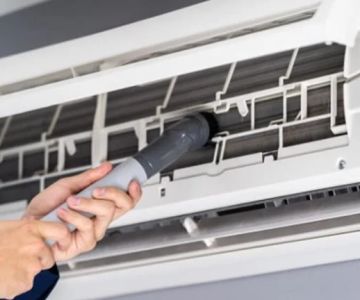
- Check the condensate drain: The drain removes moisture from the air, and if it's clogged, it can cause water damage. Use a wet/dry vacuum to clear any obstructions.
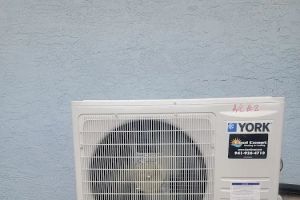
- Clean the condenser coils: Located on the outside unit, the condenser coils can collect dirt and debris over time. Use a hose to wash off the coils, but avoid using high-pressure water, as it can damage the coils.
Common AC Cleaning Mistakes to Avoid
While cleaning your AC is essential, there are some common mistakes that can do more harm than good:
- Not turning off the power: Forgetting to turn off the power before cleaning can result in electrical accidents.
- Using harsh chemicals: Some cleaning products can damage the AC's components. Always use cleaners designed for HVAC systems.
- Ignoring the outdoor unit: While the indoor unit is often cleaned, the outdoor unit is just as important. Make sure to clear debris and clean the condenser coils to maintain airflow.
How Often Should You Clean Your AC?
The frequency of cleaning your AC depends on several factors, including the type of system, the environment, and how often it’s used:
- Filters: Clean or replace filters every 1-3 months.
- Coils and drain: Check and clean the evaporator coils and condensate drain annually.
- Condenser coils: Clean the condenser coils at least once a year, or more frequently if your AC is in a dusty area.
Additional Tips for Boosting AC Efficiency
Along with regular cleaning, here are a few additional tips to maximize your air conditioner's efficiency:
- Seal leaks: Ensure that the doors and windows in your home are properly sealed to prevent cool air from escaping and warm air from entering.
- Install a programmable thermostat: This allows you to set the temperature based on when you're home, optimizing energy use.
- Upgrade to energy-efficient models: If your AC is old, consider replacing it with a more energy-efficient unit to reduce energy consumption and costs.
 Trane Supply4.0 (7 reviews)
 Hometown Air, LLC5.0 (16 reviews)
 David's Same Day Services Inc.4.0 (142 reviews)
 Renewal Plus Air Conditioning and Heating5.0 (116 reviews)
 Houston Royal Range Repair5.0 (8 reviews)
 Guaranteed Auto Air Repair4.0 (1441 reviews)
 Common AC Problems and How to Fix Them Quickly
 DIY vs Professional: Should You Fix Your Air Conditioning Yourself?
 How Much Does It Really Cost to Replace an Air Conditioning Unit?
 Everything You Need to Know Before You Fix Your AC Condenser
 Why Your Air Conditioner Is Not Turning Off and How to Fix It
 How to Repair a Faulty Circuit Board in Your Air Conditioning Unit