
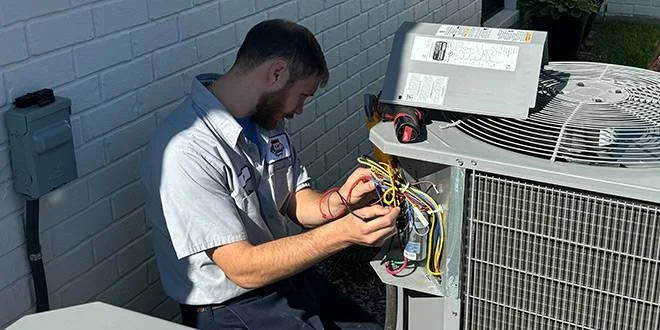
- 1. How to Diagnose a Faulty AC Condenser
- 2. Common Problems with Air Conditioner Condensers
- 3. Step-by-Step Guide to Repairing Your AC Condenser
- 4. Preventive Maintenance for Your Air Conditioner
- 5. When to Call a Professional for AC Repair
1. How to Diagnose a Faulty AC Condenser
Diagnosing a faulty air conditioner condenser can be a straightforward process if you know what to look for. The condenser is a critical component in your air conditioning system, responsible for releasing the heat absorbed by the refrigerant. If your AC is not cooling properly, or if it's making strange noises, it may be a sign that the condenser is malfunctioning.
Begin by checking for obvious signs of damage or blockage around the condenser unit. Look for dirt, debris, or any visible signs of wear and tear. You can also listen for unusual noises, such as a hissing or clicking sound, which may indicate a problem with the condenser fan or motor.

Williams Brothers AC and Heat
GainesvilleAlachua CountyFlorida
3301 SW Archer Rd, Gainesville, FL 32608, USA
2. Common Problems with Air Conditioner Condensers
There are several common issues that can occur with the condenser in an air conditioner:
- Clogged Air Filter: A clogged air filter can restrict airflow, causing the condenser to overheat and function improperly.
- Frozen Coils: If the evaporator coils freeze, it can affect the performance of the condenser and result in a lack of cool air.
- Faulty Fan Motor: If the fan motor fails, the condenser cannot release heat effectively, causing the unit to overheat.
- Low Refrigerant: Insufficient refrigerant can impair the condenser's ability to cool air properly.
3. Step-by-Step Guide to Repairing Your AC Condenser
If you’ve identified a problem with your AC condenser, here’s how you can go about fixing it:
- Turn off the power: Always begin by turning off the power to your air conditioner to avoid electrical shock.
- Clean the condenser: Remove any debris or dirt from the condenser coils using a soft brush or compressed air. If the coils are clogged with dirt, this can significantly reduce the efficiency of the condenser.
- Check the fan: Inspect the fan motor for any visible damage. If the motor is faulty, it will need to be replaced. You may also need to lubricate the fan bearings to ensure smooth operation.
- Replace the air filter: A dirty air filter can impede airflow and strain the system. Replace the filter to ensure optimal performance.
- Check refrigerant levels: If you suspect low refrigerant, it’s important to have it refilled by a certified HVAC technician, as handling refrigerant requires specialized knowledge.
4. Preventive Maintenance for Your Air Conditioner
To keep your air conditioner running efficiently, regular maintenance is key. Here are some preventive measures you can take:
- Clean the condenser coils at least once a year to prevent dirt buildup.
- Replace the air filter every 1-3 months to ensure proper airflow.
- Schedule a professional inspection at least once a year to identify any potential issues early on.
- Keep the area around the condenser unit clear of debris, such as leaves, grass, and dirt.
5. When to Call a Professional for AC Repair
While DIY repairs can solve minor problems, there are times when it’s best to call in a professional. If you’re dealing with complex issues like refrigerant leaks, compressor failure, or if your repair efforts haven’t fixed the problem, it’s time to contact a licensed HVAC technician. They have the tools and expertise to diagnose and fix your AC system safely and effectively.
For more information on AC repairs and to find trusted professionals in your area, visit 【Ac Fix】 for the best solutions.


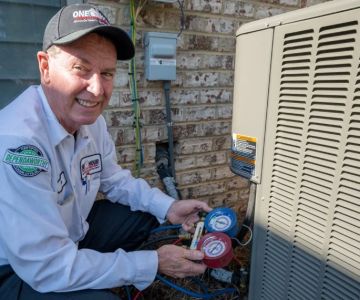
 A C Refrigeration Plus Inc5.0 (1 reviews)
 JRAC Cooling & Heating Services5.0 (57 reviews)
 A&B Heating and Cooling Repair LLC5.0 (1 reviews)
 AllTec Plumbing L.L.C.4.0 (26 reviews)
 Alatec Heating & Cooling4.0 (188 reviews)
 Associated Mechanical Systems4.0 (6 reviews)
 Complete Guide: Air Conditioning Replacement for Homeowners in 2025
 What to Do When You Need to Fix Air Conditioning Immediately
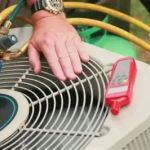 Fastest Way to Cheap AC Fix Without Getting Overcharged
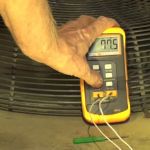 How to Diagnose Electrical Issues in Your Air Conditioner
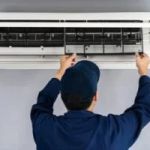 How Long Does It Take to Fix My AC? Time Estimates and Factors Explained
 How to Get My AC Fixed Like a Pro