
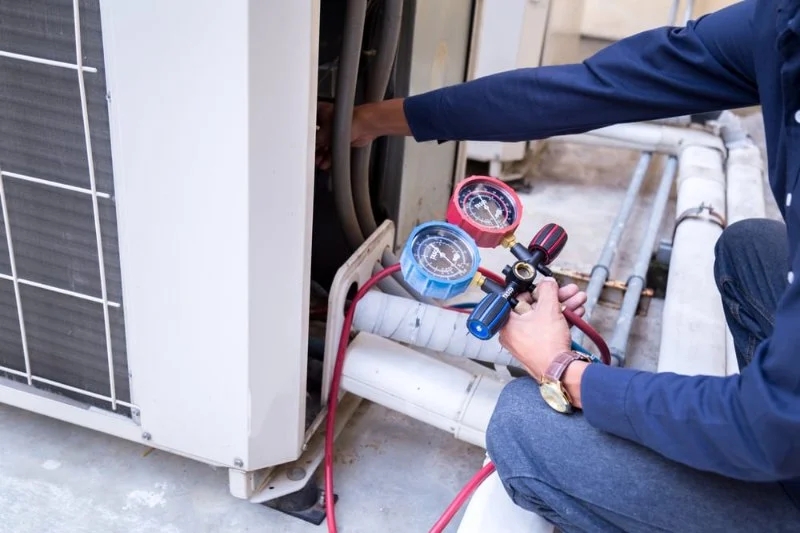
How to Diagnose and Repair Your AC’s Refrigerant Problems
- understanding-the-role-of-refrigerant-in-air-conditioning
- common-signs-of-refrigerant-problems
- how-to-diagnose-refrigerant-issues
- repair-options-for-refrigerant-problems
- real-homeowner-experience-with-ac-repair
- preventing-future-refrigerant-problems
Air conditioning systems rely on a complex process to keep homes cool and comfortable, especially during hot American summers. One of the most critical components of that process is refrigerant. When refrigerant levels become low or leaks occur, the system can lose efficiency or stop cooling altogether.
Understanding how to diagnose and repair your AC’s refrigerant problems can help homeowners recognize early warning signs and take appropriate action before the issue becomes expensive or dangerous. While some problems require professional HVAC assistance, recognizing the symptoms and causes of refrigerant issues is the first step toward protecting your cooling system.
1. Understanding the Role of Refrigerant in Air Conditioning
Refrigerant is the substance that allows your air conditioning system to absorb heat from inside the home and release it outside. It circulates through coils and compressors in a continuous cycle.
Russell Plumbing & Air Conditioning Services
8851 West Fwy building A suite 123, Fort Worth, TX 76116, USA
1.1 Heat absorption and transfer
The refrigerant absorbs heat from indoor air as it evaporates inside the evaporator coil. This cooled air is then circulated throughout the home.
1.2 Compression and cooling cycle
The compressor increases the pressure of the refrigerant gas, allowing it to release heat outdoors through the condenser coil.
1.3 Proper refrigerant levels are essential
If refrigerant levels are too low or if leaks are present, the system cannot efficiently transfer heat. This leads to reduced cooling performance and potential damage to the compressor.
2. Common Signs of Refrigerant Problems
Refrigerant problems rarely appear suddenly. In most cases, the air conditioner shows clear warning signs that homeowners should not ignore.
2.1 Weak or warm airflow
If your air conditioner is running but the air feels warm or less powerful than usual, low refrigerant may be preventing proper cooling.
2.2 Ice buildup on coils
Frozen evaporator coils are a common symptom of refrigerant imbalance. Reduced pressure inside the system can cause moisture to freeze on the coils.
2.3 Hissing or bubbling sounds
Strange sounds coming from the refrigerant lines may indicate a leak. These noises are often caused by refrigerant escaping through small holes or cracks.
2.4 Higher energy bills
An air conditioner struggling to cool your home will run longer cycles, increasing electricity consumption and energy costs.
3. How to Diagnose Refrigerant Issues
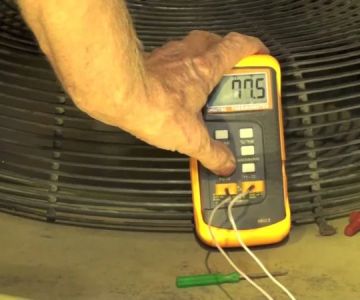
Identifying refrigerant problems involves both visual inspection and performance monitoring.
3.1 Check for visible frost or ice
Inspect the evaporator coil and refrigerant lines for signs of ice buildup. This often indicates pressure imbalance caused by low refrigerant.
3.2 Monitor cooling performance
If your AC takes much longer to cool the home or fails to reach the thermostat setting, refrigerant levels may be insufficient.
3.3 Look for oil residue around lines
Refrigerant leaks sometimes leave oily residue around pipes or connectors. This can help technicians identify the location of the leak.
4. Repair Options for Refrigerant Problems
Once refrigerant issues are diagnosed, several repair options may restore proper system function.
4.1 Sealing refrigerant leaks
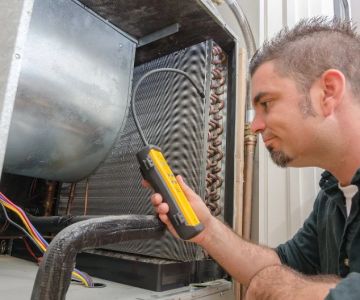
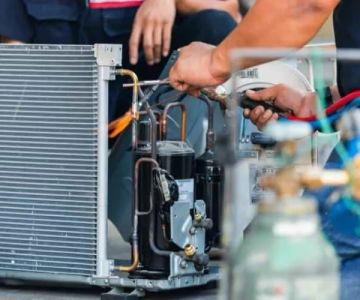
Technicians often locate leaks using specialized equipment. Once found, the damaged section of the line or component can be sealed or replaced.
4.2 Recharging refrigerant levels
After repairing leaks, the system must be refilled with the correct amount of refrigerant. This process restores proper pressure levels and cooling performance.
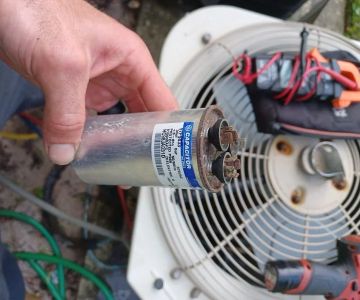
4.3 Replacing damaged components
In some cases, components such as evaporator coils or valves may need replacement if corrosion or damage has caused repeated leaks.
5. Real Homeowner Experience with AC Repair
A homeowner in Arizona noticed that his air conditioner struggled to cool the house during peak summer heat. At first, he assumed the thermostat was malfunctioning. However, after several days of poor cooling performance, ice began forming on the indoor unit.
An HVAC technician later discovered a small refrigerant leak in the condenser line. After repairing the leak and recharging the refrigerant, the system returned to normal operation. The homeowner later shared that recognizing the early signs prevented the compressor from failing, which could have resulted in a much more expensive repair.
6. Preventing Future Refrigerant Problems
Preventive maintenance plays a major role in keeping an air conditioning system operating efficiently.
6.1 Schedule regular AC inspections
Annual inspections help detect refrigerant leaks, worn components, and pressure imbalances before they cause major problems.
6.2 Keep coils clean
Dust and debris on evaporator or condenser coils reduce efficiency and place additional strain on the system.
6.3 Maintain proper airflow
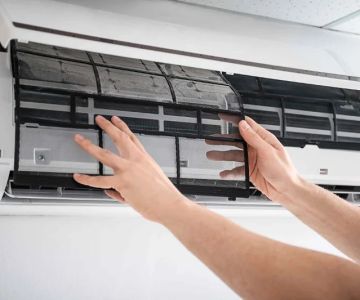
Replacing air filters regularly ensures proper airflow and prevents the evaporator coil from freezing.
Understanding how to diagnose and repair your AC’s refrigerant problems allows homeowners to respond quickly when cooling performance declines. Early action not only restores comfort but also protects expensive HVAC components from long-term damage.
For homeowners seeking helpful guidance on air conditioning troubleshooting and repair solutions, Ac Fix provides practical insights and useful information to help maintain efficient and reliable cooling systems.
 PURO Mechanical LLC5.0 (13 reviews)
 Air Services & Refrigeration Specialties, Inc.5.0 (14 reviews)
 Total Comfort Solutions - Greenville4.0 (8 reviews)
 Down East Heating & Air Conditioning4.0 (627 reviews)
 Mulligan Heating and Air LLC5.0 (2 reviews)
 Quality Air Heating & Air Conditioning4.0 (49 reviews)
 How to Fix Your Air Conditioning – Essential Tips for Homeowners
 How to Handle a Faulty Air Conditioner Expansion Valve
 Common AC Problems and How to Fix Them Quickly
 How to Fix an AC Unit That Is Not Cooling Your Home Properly
 Best Services That Fixing Air Conditioning Near You Today
 What to Do When You Need to Air Conditioning Replace Immediately