
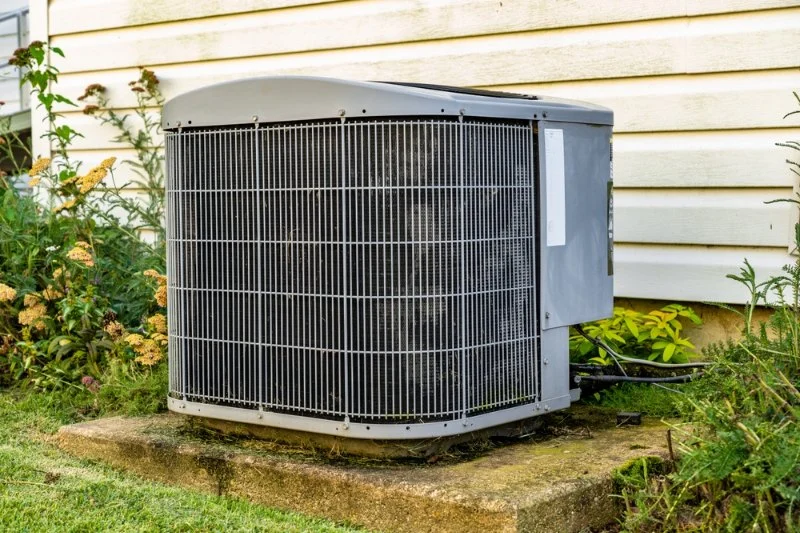
What to Do When You Need to Air Conditioning Replace Immediately
- 1 - Recognizing the Signs of a Failing Air Conditioner
- 2 - Reasons Why Your Air Conditioner Needs Replacement
- 3 - Steps to Take When You Need to Replace Your AC Immediately
- 4 - How to Choose the Best New Air Conditioner
- 5 - The Cost of Replacing an Air Conditioner
1 - Recognizing the Signs of a Failing Air Conditioner
Air conditioners are essential, especially in the hot summer months, but like all appliances, they have a lifespan. If you find your AC is no longer keeping your home cool or it is making strange noises, it could be time for a replacement. Recognizing the signs early can help you make the decision before the situation worsens.

1.1 Uneven Cooling
One of the first signs that your AC might need to be replaced is if it starts cooling unevenly. If certain rooms are hotter than others, or you find that the cooling performance drops significantly, it may indicate that the system is losing efficiency.

1.2 Strange Noises
Unusual sounds, such as grinding, rattling, or squealing noises, could be a sign of internal mechanical failure. While these noises can sometimes be fixed, they can also indicate that your AC is reaching the end of its useful life.
1.3 Increased Energy Bills
A sudden increase in your energy bills despite using the AC in the same manner could be a signal that the system is no longer running efficiently. Older units consume more energy, which can significantly drive up costs.
2 - Reasons Why Your Air Conditioner Needs Replacement
When your AC starts showing signs of trouble, it's important to consider the reasons why a replacement might be necessary. Here are some common reasons:
2.1 Age of the Unit
Air conditioners typically last 10 to 15 years. If your unit is older than this, the components may no longer work as efficiently as they once did. Older systems are more prone to frequent breakdowns and can end up costing more in repairs than it would to replace them.
2.2 Frequent Repairs
If your AC has required numerous repairs in recent months, it may be time to consider a replacement. Frequent breakdowns indicate that the system is no longer functioning reliably and that continuing to repair it might only delay the inevitable.
2.3 Lack of Efficient Cooling
When your AC is no longer able to cool your home effectively, it’s a clear sign that it's time for a new one. Inefficient cooling can stem from an outdated or broken compressor or evaporator coil, both of which are costly and complex to fix.
3 - Steps to Take When You Need to Replace Your AC Immediately
If your air conditioner has reached the point where it needs to be replaced immediately, follow these steps to ensure you make the best decision for your home and budget.
3.1 Contact a Professional HVAC Technician
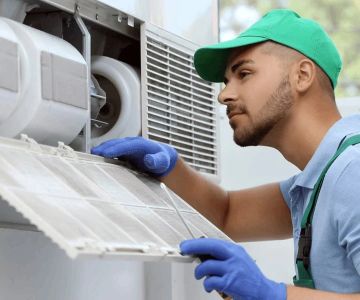
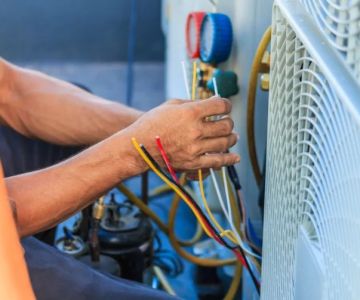
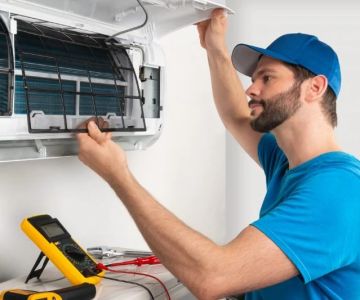
The first step when you realize your AC needs replacement is to call a certified HVAC technician. They will inspect the unit and confirm whether replacement is necessary. A professional technician can also offer advice on the best replacement options for your home.
3.2 Get Multiple Quotes
Before committing to a replacement, it’s always a good idea to get multiple quotes from different service providers. This ensures you get the best deal, and it also helps you compare options in terms of unit efficiency, warranty, and service costs.
3.3 Consider Temporary Cooling Options
If you need a replacement urgently and cannot wait for the installation of a new unit, consider temporary cooling solutions such as portable air conditioners or fans. These can help alleviate the discomfort while you wait for the new system to be installed.
4 - How to Choose the Best New Air Conditioner
Choosing the right air conditioner for your home is crucial to ensuring long-term comfort and energy savings. Here are key factors to consider when selecting a new AC:
4.1 Size of the Unit
The size of your AC unit is important for efficiency. A unit that is too small won’t cool your home properly, while one that’s too large will cycle on and off, wasting energy. A professional technician can help you choose the right size based on your home’s square footage.
4.2 Energy Efficiency
Look for an air conditioner with a high SEER (Seasonal Energy Efficiency Ratio) rating. A higher SEER means better efficiency and lower operating costs. Investing in an energy-efficient AC can save you money in the long run, especially with rising energy prices.
4.3 Features and Warranty
Many new AC models come with advanced features such as smart thermostats, quieter operation, and air purifiers. Consider these features based on your needs. Also, ensure that the unit comes with a solid warranty, so you’re covered in case of issues in the future.
5 - The Cost of Replacing an Air Conditioner
The cost of replacing an air conditioner can vary depending on several factors, including the type of unit, its size, and your home’s requirements. On average, you can expect to pay between $3,000 and $7,000 for a full replacement. However, the long-term savings on energy bills and repair costs make it a worthwhile investment.
5.1 Factors Affecting the Cost
Some factors that influence the cost of replacement include the brand and model of the unit, installation complexity, and any additional services like ductwork repairs or upgrades. Be sure to get a breakdown of the costs from your HVAC technician.
5.2 Financing Options
Many HVAC companies offer financing options for air conditioner replacements. If the upfront cost is a concern, inquire about financing plans that can make the replacement more affordable over time.
 Carterville Winair4.0 (19 reviews)
 Walker Air Plumbing Electric5.0 (1 reviews)
 Erickson Automotive4.0 (89 reviews)
 Sears Heating and Air Conditioning3.0 (5 reviews)
 RV Hero Service & Repair5.0 (91 reviews)
 Ninja Co Heat & Air3.0 (3 reviews)
 Fastest Way to Fix AC Unit Without Getting Overcharged in the US
 Complete Guide: Fix Air Conditioner for Homeowners in 2025
 What to Do When You Need Someone Who Can Fix My AC Immediately
 Who Should You Trust When You Need to Fix a Wall Air Conditioner?
 Everything You Need to Know Before Fixing Your Air Conditioning
 Who Should You Trust When You Need to Fix Your AC? Tips for Choosing the Right Technician