
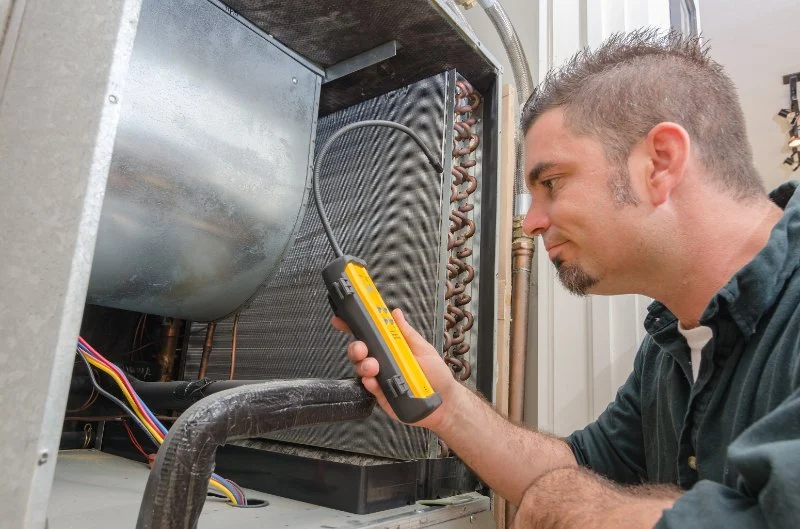
How to Check for Air Leaks in Your Air Conditioner and Fix Them
Air leaks in your air conditioner can significantly impact its efficiency, leading to higher energy bills and reduced cooling performance. If you’ve noticed that your AC isn’t cooling as effectively as it used to, or if you're paying more than usual on your energy bills, air leaks could be the culprit. In this guide, we’ll show you how to check for air leaks in your air conditioner and fix them, ensuring your system runs efficiently and keeps your home cool without wasting energy.
- Signs of Air Leaks in Your AC
- How to Check for Air Leaks in Your Air Conditioner
- Common Causes of Air Leaks in ACs
- How to Fix Air Leaks in Your Air Conditioner
- Ac Fix Product Recommendations
1. Signs of Air Leaks in Your AC
Before you can fix air leaks, it’s important to recognize the signs that indicate your air conditioner may have one. Here are the most common indicators that suggest air leaks are affecting your AC's performance:

1.1. Increased Energy Bills
If your energy bills are unusually high despite regular usage patterns, air leaks in your AC could be the cause. Air leaks force your system to work harder to maintain the desired temperature, which uses more energy.
Air Conditioning & Heating Services (PN HVAC)
Port St. LucieSt. Lucie CountyFlorida
1680 SW Bayshore Blvd, Port St. Lucie, FL 34984, USA
1.2. Reduced Cooling Efficiency
If your AC isn’t cooling as effectively as it used to, it might be due to air leaks that allow cool air to escape and warm air to enter the system. This reduces the overall cooling capacity of your AC unit.
1.3. Visible Gaps or Damage
Physical damage to your air conditioner, such as cracked seals, worn-out weatherstripping, or gaps around the unit, can also indicate air leaks. Visually inspecting your system for such issues can help you pinpoint where the air is escaping.
2. How to Check for Air Leaks in Your Air Conditioner
Now that you know the signs, here are the most effective methods to check for air leaks in your air conditioner:
2.1. Conduct a Simple Visual Inspection
Start by visually inspecting your air conditioner and the surrounding area for any obvious gaps, cracks, or damage to seals. Check the window seals, the area where the AC is mounted, and any ductwork connected to the unit. Even small gaps can cause significant leaks.
2.2. Use a Smoke Test
A smoke test is a simple and effective way to detect air leaks. Use an incense stick or a small smoke source near the edges of the air conditioner or its ducts. If the smoke moves or is sucked into the gaps, that’s an indication of a leak.
2.3. Perform the Paper Test
Close the doors and windows in the room, and then turn on your AC. Hold a piece of paper near the edges of the AC unit, and if the paper is sucked in or blown away, it indicates that air is leaking from that area.
3. Common Causes of Air Leaks in ACs
Air leaks in your air conditioner can be caused by several factors. Identifying the root cause can help you fix the issue more effectively:
3.1. Worn-Out Seals
The seals around your AC unit can wear out over time due to exposure to heat, humidity, and frequent use. These seals help to prevent air from escaping and ensure the AC works efficiently. When they degrade, they allow cool air to leak out and warm air to seep in.
3.2. Faulty Ductwork
If the ducts connected to your AC unit are damaged or improperly sealed, air can escape through the gaps, causing inefficiencies. Leaks in the ductwork are often one of the biggest causes of air loss in air conditioning systems.
3.3. Poor Installation
Improper installation of the AC unit or its components can also lead to air leaks. Gaps between the unit and the wall or window, or poorly sealed connections between the unit and ductwork, can contribute to energy loss and decreased performance.
4. How to Fix Air Leaks in Your Air Conditioner
Once you've identified the source of the leaks, it's time to fix them. Here are the most effective ways to address air leaks in your air conditioner:
4.1. Replace Worn-Out Seals
If the seals around your AC unit are worn out, it’s best to replace them. Weatherstripping and foam tape are affordable options to reseal your unit. Make sure the new seals fit snugly around the edges of the AC to prevent air from escaping.
4.2. Seal Ductwork Leaks
If you notice air leaks in the ductwork, use a specialized sealant or duct tape to seal the gaps. For larger or more complicated leaks, you may need to consult a professional to ensure the ducts are properly sealed and functioning efficiently.
4.3. Reinstall the Unit or Hire a Professional
If poor installation is the cause of the leaks, reinstalling the AC unit or calling a professional may be necessary. A properly installed AC unit will prevent air loss and maximize efficiency. Professionals can also inspect the system for other issues and ensure it is operating at its best.
5. Ac Fix Product Recommendations
If you're looking for high-quality products to help fix air leaks and improve your AC’s performance, be sure to visit Ac Fix. We offer a wide range of tools and materials to help you seal your AC, including weatherstripping, duct sealants, and more, ensuring your system runs smoothly and efficiently.

 PURO Mechanical LLC5.0 (13 reviews)
 Air Services & Refrigeration Specialties, Inc.5.0 (14 reviews)
 Total Comfort Solutions - Greenville4.0 (8 reviews)
 Down East Heating & Air Conditioning4.0 (627 reviews)
 Mulligan Heating and Air LLC5.0 (2 reviews)
 Quality Air Heating & Air Conditioning4.0 (49 reviews)
 How to Fix Your Air Conditioning – Essential Tips for Homeowners
 How to Handle a Faulty Air Conditioner Expansion Valve
 Common AC Problems and How to Fix Them Quickly
 How to Fix an AC Unit That Is Not Cooling Your Home Properly
 Best Services That Fixing Air Conditioning Near You Today
 What to Do When You Need to Air Conditioning Replace Immediately