
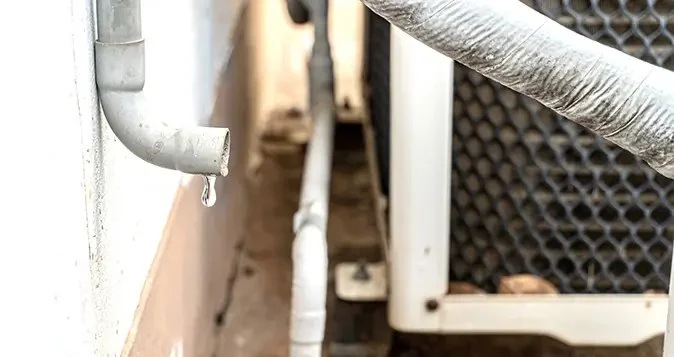
- 1 - Understanding AC Drain Line Leaks
- 2 - Common Causes of Drain Line Leaks
- 3 - Identifying a Leak in Your Drain Line
- 4 - Tools and Materials Needed
- 5 - Step-by-Step Drain Line Cleaning
- 6 - Sealing or Replacing Damaged Sections
- 7 - Preventive Maintenance Tips
- 8 - Safety Considerations
- 9 - Real-Life Case Studies
- 10 - When to Call Professionals
1. Understanding AC Drain Line Leaks
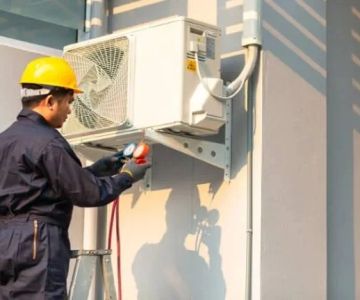
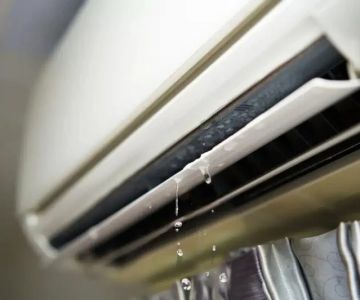
The drain line in an air conditioner plays a crucial role in removing condensation produced during the cooling process. When this line becomes clogged or damaged, water can leak from the AC unit, causing potential damage to walls, ceilings, or floors.
Understanding how the drain line works helps homeowners diagnose leaks and prevent recurring issues. Typically, the line runs from the evaporator coil to an external drain or condensate pan, and any obstruction can cause overflow.
Walmart HVAC Services
Lithia SpringsDouglas CountyGeorgia
1100 Thornton Rd, Lithia Springs, GA 30122, USA
1.1 Symptoms of a Leaking Drain Line
Signs include water pooling near the indoor unit, unusual humidity, or the AC shutting down due to water sensors. Early detection is key to preventing costly damage and ensuring efficient operation.

2. Common Causes of Drain Line Leaks
Several factors can contribute to AC drain line leaks:
2.1 Clogs from Algae or Mold
Moist environments encourage algae or mold growth inside the drain line, creating blockages that prevent water from flowing freely.
2.2 Loose or Damaged Connections
PVC piping or flexible tubing may develop leaks due to loose fittings, cracks, or corrosion over time.
2.3 Improper Installation
An incorrectly angled drain line can impede water flow, leading to pooling or backflow. Professional installation usually mitigates this issue.
3. Identifying a Leak in Your Drain Line
Detecting the exact location of a leak involves inspection and testing:
3.1 Visual Inspection
Look for water stains, dripping, or wet insulation around the AC unit. Check connections, bends, and the condensate pan for cracks or misalignment.
3.2 Flushing the Drain Line
Use a small amount of water to flush the line and observe where leaks emerge. This identifies obstructions or breaks in the pipe.
3.3 Using a Wet/Dry Vacuum
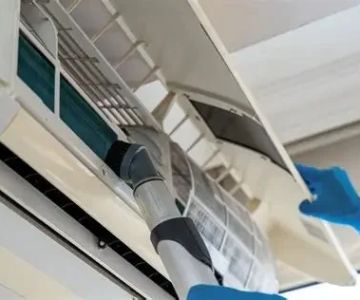
A vacuum applied to the external drain outlet can pull out debris, allowing clear detection of clogs or damage along the line.
4. Tools and Materials Needed
Gathering the correct tools ensures a smooth repair process:
- Wet/dry vacuum or plumbing snake
- PVC pipe cleaner and primer
- Replacement PVC tubing or flexible piping
- Pipe sealant or silicone caulk
- Gloves and safety glasses
- Bucket and towels for water collection
5. Step-by-Step Drain Line Cleaning
Cleaning is often sufficient to stop leaks caused by clogs:
5.1 Turn Off the AC
Ensure power is cut at the breaker to prevent accidents while working on the unit.
5.2 Locate the Drain Line
Identify the piping connected to the condensate pan and the external outlet.
5.3 Flush the Line
Use warm water, vinegar, or a mild bleach solution to flush algae and debris. Pour slowly to prevent overflow.
5.4 Vacuum Residual Debris
Attach a wet/dry vacuum to the external drain outlet and pull out remaining blockage for thorough cleaning.
6. Sealing or Replacing Damaged Sections
If cleaning does not resolve leaks, repair or replacement may be necessary:
6.1 Sealing Small Leaks
Apply silicone caulk or pipe sealant to minor cracks or loose joints. Allow drying as per manufacturer instructions before testing.
6.2 Replacing Piping Sections
For extensive damage, cut out the affected section and replace with PVC or flexible tubing. Use primer and adhesive for secure connections and proper sealing.
7. Preventive Maintenance Tips
Regular upkeep reduces the likelihood of future leaks:
- Flush the drain line at least twice a year
- Install a screen or filter at the drain outlet to prevent debris ingress
- Inspect connections and joints annually
- Maintain humidity levels around the AC unit
8. Safety Considerations
Prioritize safety when performing repairs:
8.1 Power Precautions
Always turn off electricity to the unit at the breaker before handling pipes or cleaning near the evaporator coil.
8.2 Protective Gear
Use gloves and safety glasses to avoid contact with chemicals or sharp edges.
8.3 Avoid Harsh Chemicals
Vinegar or mild bleach is sufficient. Strong chemicals can damage pipes or components and produce harmful fumes.
9. Real-Life Case Studies
John, a homeowner in Texas, noticed water pooling beneath his AC unit during summer. After inspecting and flushing the drain line, he discovered algae buildup. Cleaning the line and applying a small sealant to a loose joint resolved the issue. In another case, a Florida apartment complex experienced repeated leaks due to cracked PVC sections. Replacing the damaged segments with flexible tubing and scheduling biannual maintenance significantly reduced recurring problems.
10. When to Call Professionals
Some scenarios require expert intervention:
10.1 Persistent Leaks
If the drain line continues leaking after cleaning and minor repairs, a licensed HVAC technician can assess underlying issues.
10.2 Complex or Hard-to-Reach Installations
Condensate lines running through walls or ceilings may require specialized tools and expertise for safe repair.
10.3 Risk of Electrical or Water Damage
In cases of flooding, exposed wiring, or water damage to ceilings, professional services prevent accidents and costly repairs.
For step-by-step guides, recommended tools, and professional services for fixing AC drain line leaks, Ac Fix provides resources and expert advice to help homeowners maintain efficient and leak-free air conditioning systems.

 Comfortmax Air Conditioning4.0 (23 reviews)
 ThermalTran Mechanical5.0 (81 reviews)
 Dolphin Air & Heat, Inc.4.0 (83 reviews)
 Alexander Heating & Cooling5.0 (238 reviews)
 Experior Mechanical5.0 (1 reviews)
 Southern HVAC LLC3.0 (14 reviews)
 The Ultimate AC Repair Checklist: What to Look for During Maintenance
 Can You Fix an AC Condenser Without Replacing the Entire System? Insights and Solutions
 Everything You Need to Know Before You Fix Your AC Condenser
 How to Fix an Air Conditioner That Won’t Cool Your Room
 How Long Should It Take to Fix an Air Conditioner? Time Expectations and Common Issues
 Top Ways to Fix Your AC Quickly and Affordably in Your Area | Ac Fix