
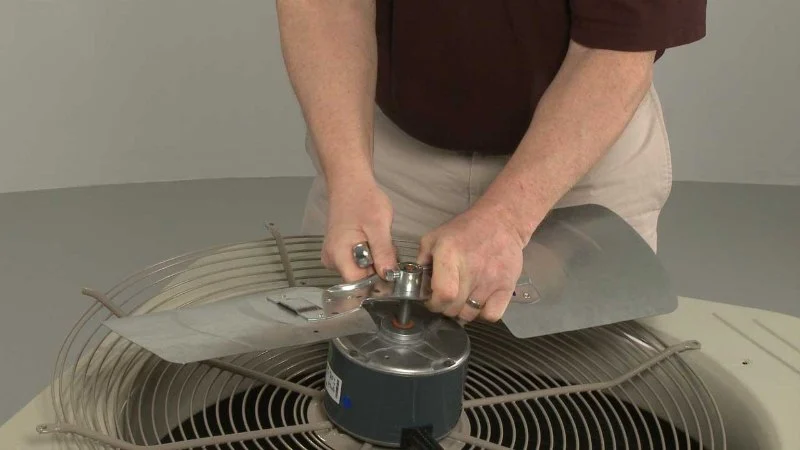
1. Understanding the Role of the Fan Blade in Your Air Conditioner
The fan blade in your air conditioner is a crucial component responsible for circulating air throughout your home. When the fan blade malfunctions, it can cause a variety of issues, including poor airflow, increased energy consumption, and even complete system failure. Understanding the role of the fan blade will help you diagnose issues and determine if a repair is necessary.

2. Common Signs of a Faulty Fan Blade
Before diving into repairs, it's important to identify the signs that indicate your air conditioner's fan blade may be faulty. Here are some common symptoms:
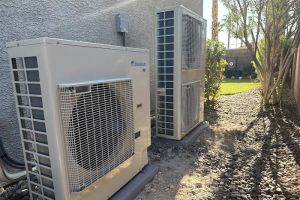
TemperaturePro Air and Electric
14886 Tradesman Dr ste 116, San Antonio, TX 78249, USA
2.1. Strange Noises
If you hear grinding, rattling, or whistling noises coming from your air conditioner, it could indicate a problem with the fan blade. A faulty blade might be hitting other components or struggling to rotate properly, leading to unusual sounds.
2.2. Reduced Airflow
One of the most noticeable signs of a faulty fan blade is reduced airflow. If you feel that the air coming from your AC is weak or inconsistent, the fan blade may not be spinning at the correct speed or might be damaged, preventing proper air circulation.
2.3. Visible Damage to the Fan Blade
Sometimes, the damage to the fan blade is visible. Look for cracks, chips, or broken blades. These physical signs can indicate that the blade is no longer functioning properly and needs repair or replacement.
3. Tools and Materials You'll Need for the Repair
To repair a faulty fan blade, you'll need a few basic tools. Having everything ready before you start will make the process smoother and more efficient. Here's a list of tools and materials you'll need:
- Screwdrivers (flathead and Phillips)
- Wrench set
- Replacement fan blade (if necessary)
- Lubricant (if the fan is stuck)
- Cleaning cloths
- Multimeter (optional, for electrical testing)
4. Step-by-Step Guide to Repairing the Fan Blade
Now that you've identified the problem and gathered the necessary tools, it's time to get started with the repair. Follow these steps to fix your faulty air conditioner fan blade:
4.1. Turn Off the Power to the Air Conditioner
Before you begin any work on your air conditioner, ensure that the power is turned off. Unplug the unit or turn off the circuit breaker to avoid electrical shock or further damage.
4.2. Remove the Front Panel of the AC Unit
Use a screwdriver to remove the front panel of your air conditioner. This will give you access to the fan blade and other internal components. Be cautious and ensure you don't damage the panel while removing it.
4.3. Inspect the Fan Blade
Take a close look at the fan blade. Check for any visible damage such as cracks or debris that might be obstructing its movement. If the blade is damaged beyond repair, you'll need to replace it. If it's just dirty or has minor issues, cleaning and lubrication might be all that’s needed.
4.4. Clean and Lubricate the Fan Blade
Use a cleaning cloth to wipe down the fan blade and remove any dirt, dust, or debris. Apply lubricant to the motor shaft and the fan’s pivot point to ensure smooth rotation. If the blade has become stuck, gently try to free it by turning it by hand while applying lubricant.
4.5. Replacing the Fan Blade
If the fan blade is cracked or severely damaged, you'll need to replace it with a new one. Remove the screws holding the blade in place and carefully detach it. Install the new fan blade by securing it with screws, making sure it's aligned properly with the motor shaft.
4.6. Test the Fan Blade
After the repair is complete, plug the air conditioner back in and turn it on. Listen for any unusual sounds and check for proper airflow. If the fan operates smoothly without any issues, you’ve successfully repaired your air conditioner.
5. Additional Tips for Maintaining Your Air Conditioner's Fan Blade
Once you've repaired the fan blade, it’s important to maintain it regularly to avoid future issues. Here are some tips to keep your air conditioner's fan blade in good working condition:
5.1. Regular Cleaning
Dust and debris can build up on the fan blade over time, causing it to work less efficiently. Make it a habit to clean the fan blade every few months to ensure it continues to spin smoothly and efficiently.
5.2. Check for Loose Screws and Components
Loose screws or components can cause the fan blade to become misaligned or damaged. Periodically check the screws and ensure everything is tightly secured to avoid unnecessary wear and tear.
5.3. Schedule Professional Maintenance
While DIY repairs can be effective, scheduling professional maintenance annually is a good idea. A technician can inspect your entire system, including the fan blade, and identify potential issues before they become major problems.
6. When to Call a Professional
If you're not comfortable with repairing the fan blade yourself or if the damage is more extensive than you can handle, it's best to call a professional. A technician can assess the situation, replace any faulty components, and ensure your air conditioner is running at its best. For expert help, check out Ac Fix for trusted AC repair services.


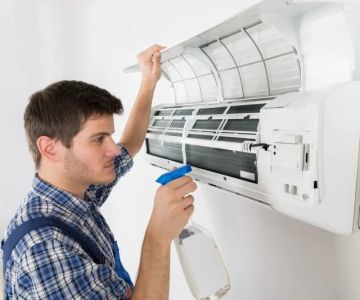

 Ram Air HVAC5.0 (3 reviews)
 Legacy Heating & Air LLC5.0 (84 reviews)
 Geiger Heating Air Refrigeration4.0 (78 reviews)
 National Automotive Service Center4.0 (144 reviews)
 Keith Lawson Services4.0 (749 reviews)
 C&W Mechanical4.0 (41 reviews)
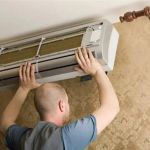 DIY vs Professional: Should You Fix Your Air Conditioner Yourself?
 Pros and Cons of Trying to Fix Your Air Conditioner on Your Own
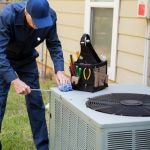 Complete Guide: Fix AC Unit for Homeowners in 2025
 2025 Trends: How People Are Choosing Who Can Fix My Air Conditioner Now
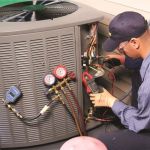 How to Perform Basic Air Conditioner Troubleshooting on Your Own
 The Ultimate Checklist: Who Can Fix My Air Conditioner Successfully?