
- 1-Understand-Why-Your-AC-Is-Running
- 2-Check-Thermostat-Settings
- 3-Inspect-Air-Filters-and-Coils
- 4-Evaluate-Refrigerant-Levels
- 5-Examine-Dampers-and-Ductwork
- 6-Clean-or-Replace-Components
- 7-Address-Electrical-Issues
- 8-Use-Energy-Efficient-Strategies
- 9-Know-When-to-Call-a-Professional
- 10-Maintain-Your-AC-for-Long-Term-Efficiency
1. Understand Why Your AC Is Running
Before attempting repairs, it’s crucial to understand why your air conditioner is continuously operating. Common causes include thermostat misconfigurations, dirty components, low refrigerant levels, and electrical issues. Identifying the underlying problem ensures that you target the right solution and avoid unnecessary expenses.

Tabourn Heating and Air Conditioning LLC
GreenvillePitt CountyNorth Carolina
1202 E Fire Tower Rd STE B-107, Greenville, NC 27858, USA
1.1 Thermostat Misalignment
An incorrectly set thermostat or malfunctioning sensor can signal the AC to run non-stop. Confirm that the temperature settings are reasonable and that the thermostat is accurately reading the room temperature.
Arkansas Air Heating & Air Conditioning
JonesboroCraighead CountyArkansas
478 Co Rd 324, Jonesboro, AR 72401, USA
1.2 Environmental Factors
Excessive heat gain from sunlight or improper insulation can force the AC to work continuously. Evaluate window treatments and home insulation to reduce unnecessary cooling loads.
2. Check Thermostat Settings
Thermostat issues are a frequent cause of continuous AC operation.
2.1 Set Optimal Temperature
Maintain your thermostat around 78°F when home and slightly higher when away. Avoid sudden temperature changes that force the system to work harder.
2.2 Upgrade to a Programmable or Smart Thermostat
Smart thermostats help prevent constant operation by automatically adjusting settings based on occupancy and outdoor temperature.
3. Inspect Air Filters and Coils
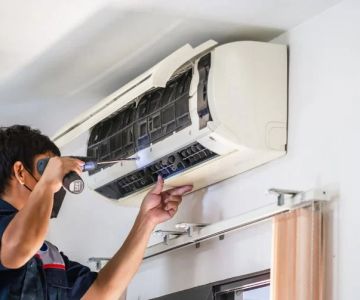
Blocked filters and dirty coils restrict airflow and reduce efficiency, causing the AC to run continuously.
3.1 Clean or Replace Air Filters
Check filters monthly and replace them as needed. A clean filter ensures proper airflow and prevents strain on the system.
3.2 Clean Evaporator and Condenser Coils
Dirt accumulation on coils reduces heat exchange efficiency. Gently clean the coils and remove debris for optimal performance.
4. Evaluate Refrigerant Levels
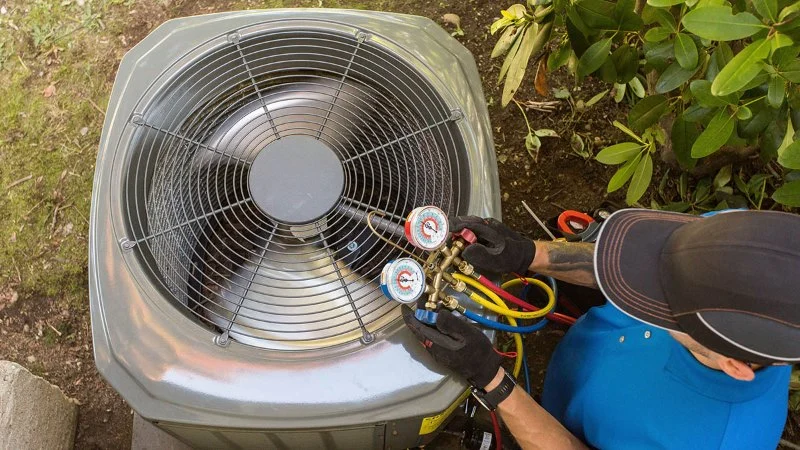
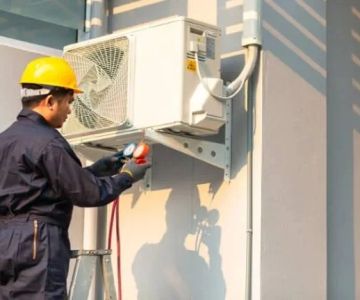
Low refrigerant prevents the AC from effectively cooling air, which often results in continuous operation.
4.1 Check for Leaks
Visible signs such as ice buildup or hissing sounds may indicate a refrigerant leak. Prompt repair by a certified technician is essential.
4.2 Recharge Refrigerant
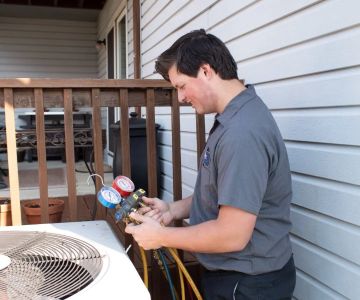
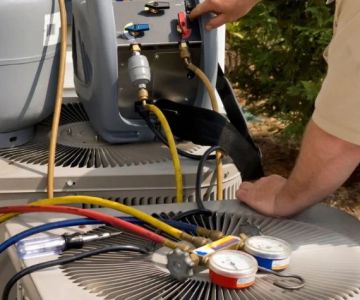
Recharging the refrigerant restores cooling capacity and reduces run time. Only licensed professionals should handle refrigerant refills.
5. Examine Dampers and Ductwork
Improperly adjusted dampers or leaky ducts can lead to uneven cooling, prompting the AC to operate continuously.
5.1 Inspect Ducts for Leaks
Seal any leaks with appropriate duct tape or mastic to prevent cool air from escaping.
5.2 Balance Dampers
Adjust dampers to ensure uniform airflow throughout your home, reducing strain on the system.
6. Clean or Replace Components
Sometimes, worn or dirty components such as fans, motors, and belts can cause inefficiency.
6.1 Lubricate Moving Parts
Proper lubrication reduces friction and extends the lifespan of mechanical components.
6.2 Replace Worn Parts
Identify and replace faulty parts to restore normal operation and prevent continuous running.
7. Address Electrical Issues
Faulty wiring or control boards can cause the AC to run non-stop. Examine electrical connections and circuit breakers, and replace any damaged components.
8. Use Energy-Efficient Strategies
Enhancing AC efficiency can prevent constant operation without costly repairs.
8.1 Ceiling Fans and Ventilation
Use fans to circulate air, allowing higher thermostat settings without sacrificing comfort.
8.2 Shade Windows and Reduce Heat Gain
Window coverings or exterior shading reduce the workload on your AC system.
9. Know When to Call a Professional
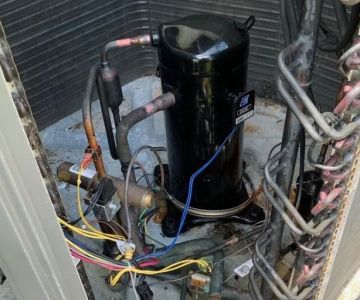
If troubleshooting steps do not resolve the issue, call a licensed HVAC technician. Persistent continuous operation may indicate complex problems like compressor failure or refrigerant leaks that require expert intervention.
10. Maintain Your AC for Long-Term Efficiency
Regular maintenance ensures your system runs efficiently and avoids future issues. Schedule annual inspections, clean filters and coils, monitor refrigerant levels, and keep ducts clear to maximize the lifespan and performance of your AC.
By following these steps, you can repair and prevent an air conditioner from constantly running, reduce energy bills, and improve indoor comfort. For expert guidance, professional tools, and recommended AC solutions, visit Ac Fix for comprehensive support and products tailored to your home’s needs.
 Cornerstone Pros - Air Conditioning, Plumbing & Electrical4.0 (7030 reviews)
 Mister Sparky4.0 (529 reviews)
 College Park Auto and Quick Lube4.0 (84 reviews)
 Modern Air Services4.0 (90 reviews)
 PROS Heating & Air5.0 (145 reviews)
 Gomez Heating and Air Conditioning, LLC4.0 (52 reviews)
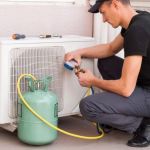 How to Fix an Air Conditioner That’s Leaking Freon
 How to Find Someone to Fix My Air Conditioner Without Spending a Fortune
 Everything You Need to Know Before You Fix Your Air Conditioner
 How Much Does It Really Cost to Replace an Air Conditioning Unit?
 How to Fix Your AC Without Spending a Fortune: Expert Tips & DIY Solutions
 Avoid These Common Mistakes When Trying to Fix Your Air Conditioner