
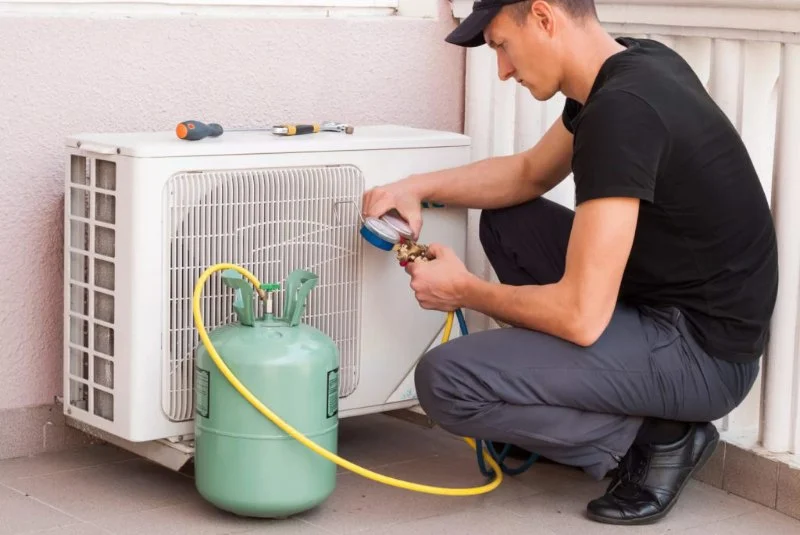
1. Understanding the Freon Leak in Your Air Conditioner
Freon, also known as refrigerant, is a crucial component in the cooling process of an air conditioner. It absorbs and releases heat to keep your home cool during hot weather. When your air conditioner starts leaking Freon, it can no longer properly cool the air, leading to inefficient performance and higher energy bills. Leaking Freon can be caused by various issues, including damage to the coils, pipes, or seals.
It’s important to understand that Freon is a pressurized substance in your AC unit, and a leak means the system is losing its cooling ability. A Freon leak requires prompt attention to restore the efficiency of your air conditioner.
Kirkland Heating & Air Conditioning, Inc.
4033C Johns Rd, Dallas, GA 30132, USA
2. Signs of a Freon Leak in Your Air Conditioner
There are several telltale signs that your air conditioner is leaking Freon. Recognizing these symptoms early can help you take action before the problem worsens:
- Warm Air: If the air blowing from the vents is warm despite the AC running, it could indicate a low Freon level caused by a leak.
- Ice Buildup: If you notice ice forming on the evaporator coils or refrigerant lines, it’s often due to a lack of Freon.
- Hissing Noise: A hissing or bubbling sound coming from the AC unit could be a sign of a refrigerant leak.
- Higher Energy Bills: When your AC struggles to cool due to a lack of Freon, it has to work harder, causing an increase in energy usage.
- Frequent Cycling: Your AC might turn on and off more frequently when there is a refrigerant leak, as it struggles to maintain the desired temperature.
If you notice any of these signs, it’s important to address the issue quickly before it leads to further damage or more expensive repairs.
Incredible Metal A/C and Heat LLC
EuniceSt. Landry ParishLouisiana
821 W Maple Ave, Eunice, LA 70535, USA
3. How to Fix an Air Conditioner Leaking Freon
Fixing a Freon leak in your air conditioner requires a few key steps. While some tasks may require professional help, here’s a general outline of how you can address the issue yourself:
- Step 1: Turn Off the AC: Always turn off the power to your air conditioner before working on it to avoid any electrical hazards.
- Step 2: Locate the Leak: Identifying the leak is the first step. This often involves inspecting the coils, refrigerant lines, and connections. A soapy water solution can help pinpoint the leak—bubbles will form around the leak site when sprayed.
- Step 3: Seal the Leak: If the leak is small and accessible, you can attempt to seal it with a refrigerant leak sealant, which can be found at most home improvement stores. For larger leaks, you will likely need to replace damaged parts like coils or refrigerant lines.
- Step 4: Refill the Freon: After fixing the leak, your AC unit will need to be recharged with the appropriate amount of Freon. Be sure to use the correct type of refrigerant as specified by the manufacturer of your AC unit. It’s best to have a licensed technician handle this step if you're unsure about the proper refrigerant type or amount.
- Step 5: Test the AC: Once you've sealed the leak and refilled the Freon, turn the air conditioner back on and check if it’s cooling properly. Ensure that the ice buildup is gone and the air coming from the vents is cool.
Keep in mind that fixing a Freon leak can be a temporary solution if the root cause is a deeper issue. If the leak returns, it's essential to have a professional technician inspect your unit for underlying problems.
4. Why Freon Leaks Happen and How to Prevent Them
Freon leaks can happen for a variety of reasons, including:
- Aging Equipment: Over time, the seals and components in your AC unit can wear out, leading to refrigerant leaks.
- Corrosion: Moisture or exposure to harsh conditions can cause rust or corrosion on the coils, which can lead to leaks.
- Improper Installation: If your air conditioner wasn’t properly installed, it could lead to refrigerant leaks. Ensuring your unit is installed correctly is key to avoiding these issues.
- Physical Damage: A physical impact or damage, such as a bump or jolt to the unit, can cause refrigerant lines to crack and develop leaks.
To prevent Freon leaks, regular maintenance is essential. Be sure to clean your AC unit regularly, check the connections, and replace worn-out parts. Additionally, investing in a high-quality, professionally installed unit can reduce the chances of leaks occurring over time.
5. When to Call a Professional for Freon Leak Repair
While it’s possible to fix a minor Freon leak on your own, some situations require the expertise of a professional. If you notice large-scale refrigerant leaks, if your air conditioner is still underperforming after refilling the Freon, or if you're unsure about handling the repair, it’s best to call a licensed HVAC technician.
Professionals have the tools and knowledge to accurately locate and fix the leak, as well as to recharge your AC system with the correct amount of Freon. They can also ensure that the system is functioning at its best and prevent future issues.
For expert advice, high-quality products, and professional services, visit Ac Fix, where you can find the best solutions for all your air conditioning needs.



 DeLattre Corporation3.0 (6 reviews)
 Gibson's Heating and Air Conditioning LLC5.0 (640 reviews)
 TCOOL Services Heating & Air5.0 (27 reviews)
 Stuart Pro Heating & Air4.0 (3872 reviews)
 Jackson Heating & Air4.0 (38 reviews)
 Seal Heating and Air Conditioning4.0 (242 reviews)
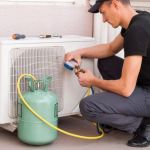 How to Fix an Air Conditioner That Is Leaking Freon
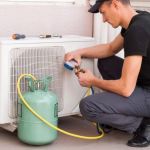 How to Fix an Air Conditioner That’s Leaking Freon
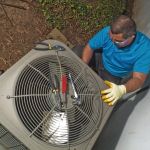 Who Should You Trust When You Need to Fix a Central Air Conditioning Unit?
 2025 Trends: How People Are Choosing to Fix Air Conditioning Now
 Can You Fix Central Air Conditioning Unit Without Replacing the Entire System?
 How to Get Your AC Fixed Like a Pro: Expert Tips for 2025