
- - Why Air Conditioners Start Leaking Water
- - Signs Your AC Leak Is Getting Serious
- - Common Causes of AC Water Leaks
- - How to Fix Water Leaks in Your Air Conditioner
- - Mistakes Homeowners Make When Fixing AC Leaks
- - Preventing Future Air Conditioner Water Leaks
- - When to Call an HVAC Professional
- - How Small Leaks Turn Into Expensive Repairs
- - Smart Tools and Products That Help
- - Keeping Your Home Cool Without Water Damage
Why Air Conditioners Start Leaking Water
One of the most frustrating things a homeowner can experience during a hot summer day is discovering water dripping from the air conditioner. It often starts with a small puddle near the indoor unit, but if ignored, that tiny leak can lead to stained ceilings, warped flooring, mold growth, and expensive repairs.
Many people assume an air conditioner leaking water automatically means the entire system is failing. In reality, most leaks come from a handful of common maintenance problems that can often be fixed quickly. Understanding how your air conditioner handles moisture is the first step toward solving the issue.
Your AC system naturally removes humidity from indoor air while cooling your home. The moisture collects on the evaporator coil and drains into a condensate pan before exiting through a drain line. When any part of this process gets blocked, damaged, or frozen, water can escape into your home instead of draining properly.
In many American households, especially in humid states like Florida, Texas, and Georgia, AC leaks become much more common during peak summer months because systems run almost nonstop. HVAC technicians often say that clogged drain lines are among the most frequent emergency service calls during heat waves.

Signs Your AC Leak Is Getting Serious
Some homeowners ignore small leaks for weeks because the air conditioner still seems to cool properly. Unfortunately, visible water is usually only the beginning of the problem.
J.F. Whitlow Jr & Sons Inc. Plumbing, Heating & Cooling
703 Confederate Ave, Portsmouth, VA 23704, USA
1. Water Around the Indoor Unit
The most obvious warning sign is pooled water near the furnace, air handler, or wall-mounted AC unit. Even a small amount of standing water should never be ignored.
2. Musty Odors Inside the House
When moisture stays trapped inside the AC system, mold and mildew can begin growing surprisingly fast. If your vents suddenly smell damp or musty, excess moisture may already be spreading inside the ductwork.
3. Weak Airflow and Warm Air
Leaking water is often connected to frozen evaporator coils. When coils freeze, airflow weakens and rooms stop cooling evenly.
4. High Indoor Humidity
A healthy AC system removes humidity efficiently. If your home suddenly feels sticky even while the AC is running, there may be a drainage or airflow problem affecting performance.
5. Ceiling or Wall Stains
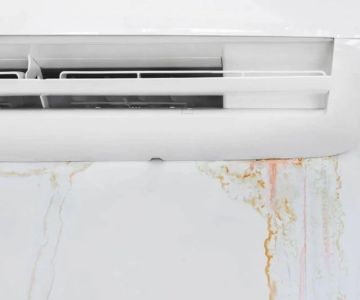
Many homeowners first discover an air conditioner leak after noticing brown water stains on drywall. This is especially common in multi-story homes where attic-mounted systems overflow slowly over time.
Common Causes of AC Water Leaks
1. Clogged Condensate Drain Line
The drain line carries condensation outside the home. Over time, algae, dirt, dust, and mold buildup can block the pipe completely.
This is by far the most common reason homeowners search for how to fix water leaks in your air conditioner. Once the line becomes clogged, water backs up into the drain pan and eventually spills out.
Why It Happens
Dust from dirty air filters combines with moisture inside the drain line. Warm temperatures create the perfect environment for biological growth.
Real-World Example
A homeowner in Arizona shared online that their ceiling began leaking after returning from vacation. The AC had continued running while they were away, but a blocked drain line caused gallons of water to overflow into the attic insulation.
2. Dirty Air Filters
This problem sounds surprisingly simple, but clogged air filters create major airflow restrictions. Reduced airflow can freeze the evaporator coil.
Once the ice melts, excess water overwhelms the drain system.
Why Homeowners Miss This
People often forget filters because the AC still runs. However, poor airflow forces the system to work harder while increasing energy bills at the same time.
3. Frozen Evaporator Coils
Frozen coils are another major reason for water leaks.
Common Causes of Coil Freezing
- Restricted airflow
- Low refrigerant levels
- Dirty blower fans
- Closed vents
- Running the thermostat too low continuously
When the ice melts rapidly, the drain pan may overflow before the water can drain properly.
4. Cracked or Rusted Drain Pan
Older air conditioning systems often develop rusted condensate pans. Small cracks may go unnoticed until water begins leaking onto flooring or drywall.
Many systems older than 10 years experience gradual pan deterioration from constant moisture exposure.
5. Improper Installation
An improperly leveled air conditioner can prevent condensation from flowing toward the drain line correctly.
This issue is especially common in older homes where DIY installations were done without professional calibration.
6. Low Refrigerant Levels
Low refrigerant pressure can make evaporator coils too cold, causing excessive ice buildup.
Unlike clogged filters, refrigerant problems usually require professional HVAC service because handling refrigerants involves safety regulations.
How to Fix Water Leaks in Your Air Conditioner
1. Turn Off the Air Conditioner Immediately
If you notice active leaking, shut the system off before further water damage occurs.
Running the AC continuously while leaking can damage electrical components and increase repair costs significantly.
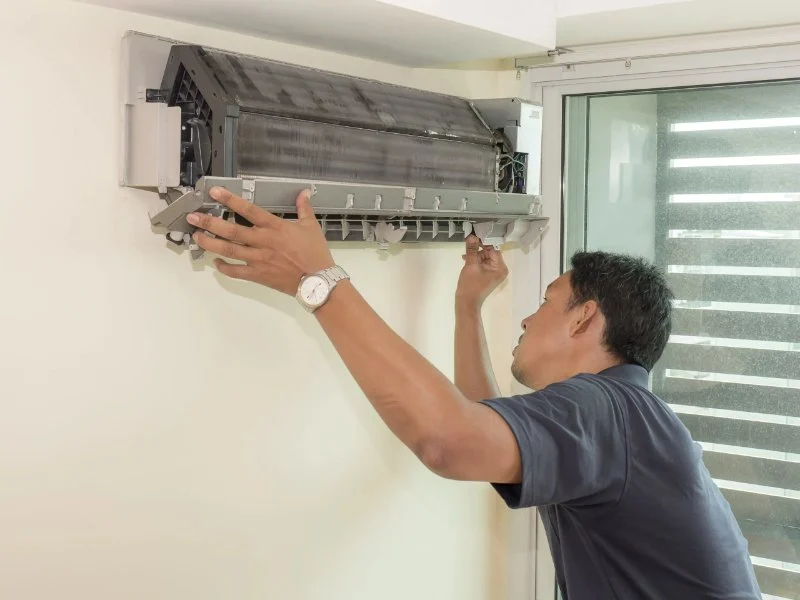
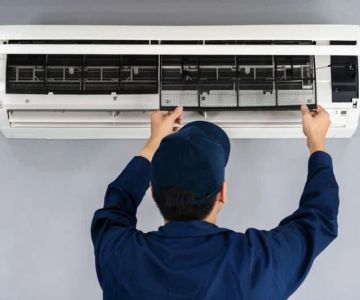
2. Check the Air Filter
Remove the filter and inspect it carefully.
What to Look For
- Heavy dust buildup
- Dark discoloration
- Reduced airflow through the material
- Bent or collapsed filter structure
Replacing the filter is often the fastest and cheapest fix.
3. Inspect the Drain Pan
Use a flashlight to examine the condensate pan under the evaporator coil.
Signs of Damage
- Standing water
- Rust spots
- Visible cracks
- Overflow marks
Temporary sealants may help small cracks, but older pans often need replacement.
4. Clear the Condensate Drain Line
This is one of the most effective ways to fix AC leaks.
Simple Cleaning Process
- Locate the drain line access point
- Turn off power to the HVAC unit
- Use a wet/dry vacuum on the outside drain opening
- Flush the line with warm water and vinegar
- Check for improved drainage
Many HVAC professionals recommend monthly vinegar flushes during summer.
5. Allow Frozen Coils to Thaw
If you see ice buildup, turn off cooling mode but leave the fan running.
Thawing may take several hours depending on the severity of freezing.
Important Safety Tip
Never chip away ice with sharp objects. This can permanently damage the coil.
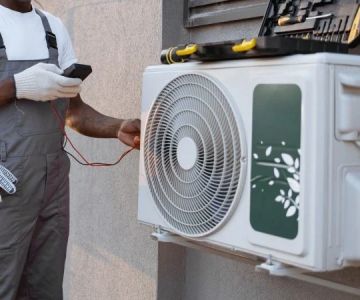
6. Clean Around the Outdoor Unit
Poor outdoor airflow can indirectly contribute to overheating and freezing problems.
Remove leaves, grass, and debris around the condenser unit to improve efficiency.
Mistakes Homeowners Make When Fixing AC Leaks
1. Ignoring Small Water Drips
Small leaks often become major repairs because homeowners assume the problem is harmless.
Even slow moisture buildup can damage wood framing and insulation over time.
2. Using Bleach Incorrectly
Some people pour large amounts of bleach into drain lines. While small amounts may help disinfect, excessive bleach can damage pipes and create strong indoor fumes.
3. Replacing Parts Without Diagnosis
Many online videos encourage homeowners to replace components too quickly.
For example, replacing the drain pan will not solve a frozen coil problem caused by low refrigerant.
4. Closing Too Many Air Vents
Some homeowners shut vents in unused rooms to save money, but this can disrupt airflow balance and contribute to frozen coils.
Preventing Future Air Conditioner Water Leaks
1. Replace Filters Regularly
Most HVAC experts recommend changing filters every 1 to 3 months depending on pets, dust levels, and system usage.
2. Schedule Seasonal Maintenance
Professional tune-ups catch small issues before they become expensive failures.
Maintenance Usually Includes
- Drain line cleaning
- Coil inspection
- Refrigerant checks
- Electrical testing
- Airflow measurements
3. Install a Float Switch
A float switch automatically shuts off the AC if water rises too high in the drain pan.
This inexpensive device can prevent major ceiling damage.
4. Keep Humidity Controlled
Homes in humid climates benefit from supplemental dehumidifiers because excessive moisture increases strain on air conditioning systems.
5. Monitor Energy Bills
Unexpected spikes in cooling costs often indicate airflow or refrigerant problems developing before visible leaks appear.
When to Call an HVAC Professional
While many water leak problems are manageable for homeowners, some situations require expert help immediately.
Call a Technician If You Notice:
- Repeated freezing coils
- Refrigerant leaks
- Electrical burning smells
- Water near electrical wiring
- Major ceiling damage
- Persistent leaks after cleaning the drain line
Professional HVAC technicians have specialized tools to measure pressure levels, inspect hidden drainage systems, and safely handle refrigerants.
If you are unsure whether the issue is minor or severe, getting a professional inspection early can save thousands of dollars in long-term repair costs.
Many homeowners also use resources like Ac Fix to compare maintenance recommendations, troubleshooting advice, and cooling system solutions before scheduling repairs.
How Small Leaks Turn Into Expensive Repairs
One reason water leaks become so costly is because the damage spreads quietly.
1. Mold Growth
Moisture trapped behind walls creates ideal mold conditions.
2. Ceiling Damage
Water saturation weakens drywall and paint.
3. Wood Rot
Attic framing and flooring can slowly deteriorate after months of hidden moisture exposure.
4. Electrical Hazards
Water leaking near electrical components creates fire risks and system failures.
A family in Louisiana reportedly ignored a small AC drip for several weeks during summer. By the time technicians inspected the system, water damage had spread through insulation and ceiling drywall, turning a simple drain clog into a multi-thousand-dollar restoration project.
Smart Tools and Products That Help
1. Smart Leak Detectors
Modern water sensors send smartphone alerts when moisture is detected near HVAC systems.
2. High-Quality Air Filters
Better filters improve airflow while reducing dust buildup inside coils and drain lines.
3. Condensate Drain Tablets
These tablets help reduce algae growth inside drain systems.
4. Maintenance Apps
Many homeowners now use maintenance reminder apps to track filter replacement schedules and seasonal inspections.
Platforms like Ac Fix can also help homeowners explore practical maintenance products and cooling solutions that reduce the risk of recurring leaks.
Keeping Your Home Cool Without Water Damage
Understanding how to fix water leaks in your air conditioner can save you from expensive emergency repairs, mold problems, and major property damage. In many cases, simple maintenance habits like changing filters, cleaning drain lines, and monitoring airflow make a huge difference.
The key is acting quickly. Water leaks rarely improve on their own, and even minor dripping can signal deeper airflow or drainage issues developing inside the system.
Homeowners who stay proactive usually enjoy lower energy bills, longer system lifespan, and more reliable cooling during extreme summer temperatures. Whether you handle basic maintenance yourself or work with experienced HVAC professionals, staying informed gives you a major advantage.
If you want better long-term cooling performance, fewer surprise breakdowns, and smarter maintenance ideas, Ac Fix is a useful place to explore additional air conditioner care solutions, troubleshooting strategies, and home comfort recommendations tailored for modern households.
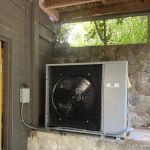 Arlington Heating & Air Conditioning4.0 (16 reviews)
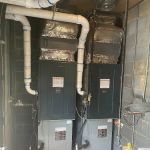 Deese Electric Heating & Cooling4.0 (39 reviews)
 B. F. Mahn & Sons, Inc.4.0 (764 reviews)
 Fatzick Refrigeration & A.C.4.0 (16 reviews)
 Florida Comfort Air Conditioning Inc4.0 (903 reviews)
 West Erwin Auto Repair4.0 (85 reviews)
 The Ultimate Checklist to AC Fix Successfully - Expert Guide for Troubleshooting
 How to Fix Your AC Like a Pro: Expert Tips for Affordable Repairs
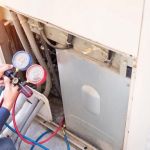 How to Solve Air Conditioner Problems Caused by Low Refrigerant
 Can You Fix Air Conditioning Without Replacing the Entire System?
 How to Fix Your Air Conditioning in 2025: Trends, Tips, and Cost-Saving Strategies
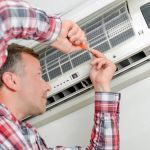 Best Services That Can Fix My Air Conditioner Near You Today