
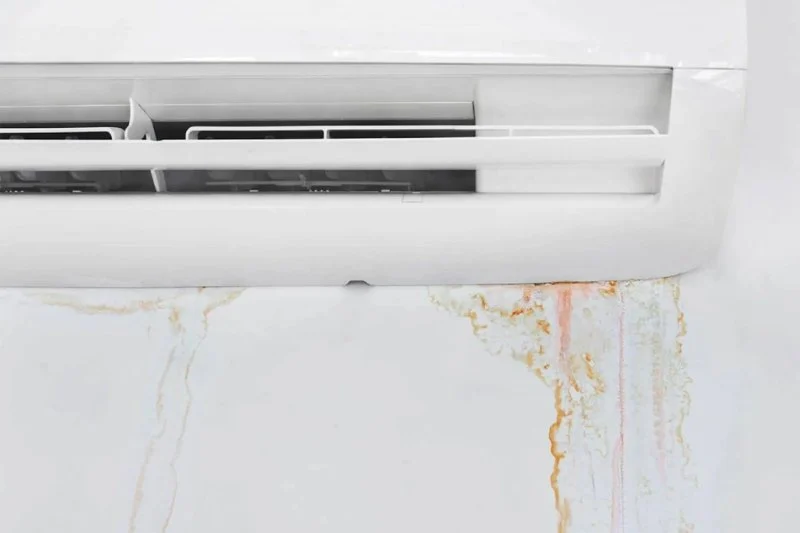
- Why Air Conditioners Start Leaking
- Warning Signs You Should Never Ignore
- Clogged Drain Lines and Water Overflow
- Dirty Air Filters and Frozen Coils
- Low Refrigerant Levels and Hidden Leaks
- Damaged Drain Pans and Rusted Components
- Incorrect Installation Problems
- How Weather and Humidity Affect Your AC
- Simple Ways to Fix Small AC Leaks
- When to Call an HVAC Professional
- How to Prevent Future Air Conditioner Leaks
- Smart Homeowners Catch Problems Early
Why Air Conditioners Start Leaking
Few things frustrate homeowners more than discovering water pooling around an air conditioner. In many American homes, especially during the peak summer months, an AC system runs for hours every day. When leaks appear, people often assume the unit is completely broken. In reality, many air conditioner leaks begin with small maintenance issues that gradually become larger problems.
Understanding the common causes of air conditioner leaks and how to fix them can save homeowners hundreds or even thousands of dollars in repair costs. Some leaks are simple enough to handle without professional help, while others signal deeper HVAC system damage that requires immediate attention.
Modern air conditioning systems are designed to remove both heat and humidity from indoor air. During this process, condensation naturally forms inside the unit. Normally, that moisture travels through a drain line and exits safely outside. However, when any part of this drainage process fails, water starts collecting where it should not.
One homeowner in Texas shared how a tiny drip under the indoor unit turned into ceiling damage within two weeks. What started as a clogged drain line eventually soaked insulation, ruined drywall, and caused mold growth in an upstairs hallway. The repair bill climbed past $4,000. Stories like this are far more common than many people realize.
Warning Signs You Should Never Ignore
Air conditioner leaks rarely appear without warning. Most systems show several symptoms before water damage becomes serious. Paying attention to these early signs can prevent major repairs.
1. Water Around the Indoor Unit
If puddles appear near the air handler or furnace area, the condensate drainage system may be blocked or damaged. Even small amounts of moisture deserve attention because standing water encourages mold growth.
2. Weak Airflow Throughout the House
Restricted airflow often points to frozen evaporator coils. When coils freeze and later thaw, excess water can overflow the drain pan.
3. Strange Smells Coming From Vents
Musty odors may indicate stagnant water inside the system. Mold and bacteria thrive in damp HVAC environments.
4. Higher Energy Bills
Many homeowners do not realize leaking air conditioners often operate less efficiently. The system works harder to cool the home while hidden issues worsen internally.
5. Ice on Refrigerant Lines
Visible ice buildup usually signals airflow restrictions or refrigerant issues. Once the ice melts, water leaks commonly follow.
Technicians frequently mention that customers ignore these warning signs for months because the AC still technically cools the house. Unfortunately, delayed action often turns affordable maintenance into expensive emergency repairs.
Clogged Drain Lines and Water Overflow
One of the most common causes of air conditioner leaks is a clogged condensate drain line. Over time, dirt, dust, algae, and debris build up inside the drain pipe. Eventually, water cannot flow properly and begins backing up into the home.
How Condensate Drain Systems Work
As warm indoor air passes over the evaporator coil, moisture condenses into water droplets. This water drips into a drain pan and exits through a PVC drain line. The process seems simple, but even small blockages can interrupt proper drainage.
Why Drain Lines Become Blocked
Several factors contribute to clogs:
- Dust bypassing dirty filters
- Algae growth in humid climates
- Pet hair entering the system
- Lack of seasonal maintenance
- Improper system cleaning
Homes in humid states like Florida and Louisiana experience this issue more frequently because moisture encourages biological growth inside drain lines.
How to Fix a Clogged AC Drain Line
Many homeowners can safely clear a basic blockage themselves:
- Turn off the AC system completely.
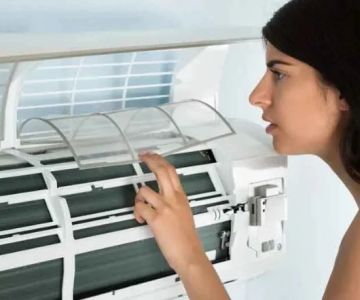
- Locate the condensate drain line near the indoor unit.
- Use a wet/dry vacuum on the outdoor drain opening.
- Flush the line with distilled vinegar or warm water.
- Restart the system and monitor drainage.
Some HVAC professionals recommend monthly vinegar flushes during summer to reduce algae buildup. This inexpensive maintenance habit can dramatically reduce leak risks.
Dirty Air Filters and Frozen Coils
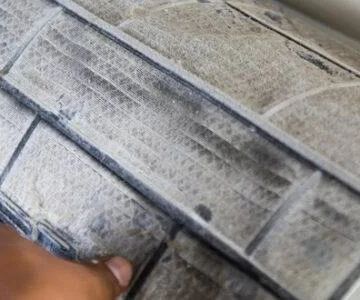
Many homeowners underestimate how important air filters are to AC performance. A dirty filter can quietly create a chain reaction leading to frozen evaporator coils and severe leaks.
How Frozen Coils Develop
When airflow becomes restricted, the evaporator coil gets too cold. Moisture on the coil freezes into ice. Later, when the system cycles off, the ice melts rapidly and overwhelms the drain pan.
This problem becomes especially common during heat waves when systems run continuously.
Real-Life Example From Arizona
A homeowner in Phoenix noticed reduced cooling but ignored it because the AC still operated. After several days of extreme temperatures, water began dripping through the ceiling vent. An HVAC technician discovered the filter had not been changed in nearly a year. The frozen coil eventually created enough condensation to overflow the drainage system.
How Often Filters Should Be Changed
Filter replacement depends on lifestyle and home conditions:
- Every 30 days for homes with pets
- Every 60 days for average households
- Every 90 days for lightly used systems
Checking filters monthly is one of the easiest ways to prevent AC leaks.
Low Refrigerant Levels and Hidden Leaks
Refrigerant problems are among the more serious causes of air conditioner leaks. Unlike condensation leaks, refrigerant leaks affect cooling performance directly and require professional repair.
What Happens When Refrigerant Is Low
Low refrigerant pressure causes evaporator coils to become excessively cold. Ice forms on the coil, and once melting begins, water overflows the drainage system.
Common refrigerant leak symptoms include:
- Hissing noises
- Warm air from vents
- Long cooling cycles
- Frozen refrigerant lines
- Unexpected humidity indoors
Why Refrigerant Leaks Should Never Be Ignored
Refrigerant leaks can damage compressors, which are among the most expensive AC components to replace. Continuing to run a leaking system forces the compressor to work harder and may shorten the entire system lifespan.
Environmental concerns also matter. Certain refrigerants can negatively impact the atmosphere if released improperly.
Professional Leak Detection Methods
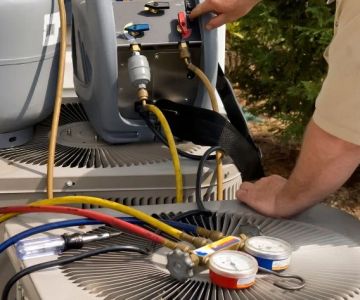
HVAC technicians typically use specialized tools such as:
- Electronic leak detectors
- UV dye testing
- Pressure testing equipment
- Soap bubble inspections
If homeowners suspect refrigerant issues, contacting an experienced technician through resources like Ac Fix can help identify reliable repair options before the problem escalates.
Damaged Drain Pans and Rusted Components
Older air conditioning systems frequently develop rusted or cracked drain pans. Since the pan constantly holds moisture, corrosion eventually weakens the metal.
Why Drain Pan Damage Happens
Most AC systems older than 10 years experience gradual wear inside the condensate collection area. Small cracks may go unnoticed until visible water damage appears.
Signs of a Damaged Drain Pan
- Water dripping directly under the indoor unit
- Rust stains near the system
- Persistent moisture despite a clear drain line
- Visible cracks in the pan
Repair or Replace?
Temporary patch kits exist for minor cracks, but older pans often require replacement. In some cases, replacing the entire system may be more cost-effective if multiple components are deteriorating simultaneously.
Experienced HVAC professionals usually evaluate:
- System age
- Overall efficiency
- Corrosion severity
- Potential future repair costs
Incorrect Installation Problems
Even brand-new air conditioners can leak if installed improperly. Poor installation remains a surprisingly common issue in residential HVAC systems.
Improper Unit Leveling
Air conditioners must sit level to allow proper condensate drainage. If the system tilts incorrectly, water may collect unevenly and spill from the pan.
Improper Drain Line Slope
Drain lines require the correct downward slope for water to flow naturally. A poorly angled line can trap moisture and create backups.
Oversized AC Systems
An oversized air conditioner cools rooms too quickly without removing enough humidity. Excess moisture accumulation may increase condensation problems over time.
Homeowners often focus only on brand selection when replacing systems, but installation quality matters just as much as the equipment itself.
How Weather and Humidity Affect Your AC
Climate plays a major role in air conditioner leaks. Homes in humid regions experience more condensation naturally, placing extra stress on drainage systems.
Extreme Humidity Challenges
During especially humid summer weeks, AC systems may remove gallons of water from indoor air every day. If drainage components are even partially restricted, overflow becomes likely.
Storm Damage and Outdoor Units
Heavy storms can clog outdoor drain exits with leaves, dirt, or debris. Flooding around outdoor condenser units may also affect performance.
Temperature Swings
Rapid outdoor temperature changes can increase condensation production. Systems already struggling with airflow restrictions often develop leaks during these periods.
Homeowners who regularly inspect outdoor units after storms typically catch drainage issues before indoor water damage develops.
Simple Ways to Fix Small AC Leaks
Not every air conditioner leak requires emergency HVAC service. Some minor problems can be addressed safely with basic maintenance steps.
1. Replace Dirty Filters
This simple fix improves airflow immediately and reduces coil freezing risks.
2. Clean the Drain Line
Using a wet/dry vacuum often removes basic clogs effectively.
3. Check the Drain Pan
Inspect for standing water, rust, or visible cracks.
4. Inspect Insulation Around Refrigerant Lines
Damaged insulation can increase condensation buildup around pipes.
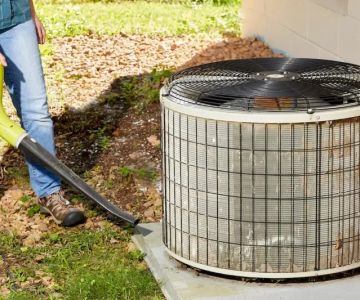
5. Clear Debris Around Outdoor Units
Leaves, grass, and dirt can affect system airflow and overall performance.
Routine maintenance prevents many common causes of air conditioner leaks and helps systems operate more efficiently throughout the summer.
When to Call an HVAC Professional
Some problems should never become DIY projects. Refrigerant handling, electrical repairs, and compressor issues require licensed professionals.
Call a Technician Immediately If:
- The system repeatedly freezes
- Refrigerant lines develop ice frequently
- Water leaks continue after cleaning the drain line
- Electrical burning smells appear
- The AC stops cooling entirely
- Ceiling or wall damage becomes visible
One of the biggest mistakes homeowners make is delaying service while hoping leaks disappear on their own. Small HVAC problems rarely improve without intervention.
Reliable maintenance resources like Ac Fix can help homeowners compare repair solutions, maintenance recommendations, and experienced service providers before damage worsens.
How to Prevent Future Air Conditioner Leaks
Preventive maintenance remains the best defense against expensive AC water damage.
Seasonal Maintenance Checklist
- Replace air filters regularly.
- Inspect drain lines monthly.
- Schedule professional tune-ups annually.
- Keep outdoor units clean.
- Monitor indoor humidity levels.
- Listen for unusual noises.
- Check refrigerant lines for ice buildup.
Why Annual HVAC Inspections Matter
Professional inspections often identify hidden issues before leaks appear. Technicians can detect refrigerant problems, weak airflow, failing motors, and drainage restrictions early.
Many homeowners skip maintenance because the system seems fine. Unfortunately, air conditioners often hide internal damage until visible leaks appear inside the house.
Smart Thermostat Monitoring
Modern smart thermostats sometimes help detect unusual cooling cycles or excessive runtime, which may indicate developing HVAC problems.
Technology cannot replace inspections entirely, but it can provide useful early warning signs.
Smart Homeowners Catch Problems Early
Air conditioner leaks rarely happen without a reason. Whether caused by clogged drain lines, frozen coils, refrigerant issues, damaged pans, or poor installation, most leaks begin as manageable maintenance concerns.
Learning the common causes of air conditioner leaks and how to fix them gives homeowners a major advantage. Small actions like changing filters, cleaning drain lines, and scheduling annual inspections can dramatically reduce repair costs and extend system life.
Many experienced HVAC technicians say the same thing: homeowners who act early almost always spend less money in the long run.
If your AC system has started leaking, making strange noises, or struggling to cool your home efficiently, now is the best time to investigate the issue. Trusted resources like Ac Fix can help homeowners explore repair options, maintenance advice, and professional solutions that keep cooling systems running reliably during the hottest months of the year.
 Green's HVAC Doctor4.0 (50 reviews)
 A + Auto Repair4.0 (20 reviews)
 Acacias Plumbing | Emergency Plumber, Water Line Repair, Tankless Water Heater Repair and Installation Sugar Land, TX5.0 (2 reviews)
 Apple Air Conditioning & Heating Inc.4.0 (863 reviews)
 Advantage Automotive4.0 (77 reviews)
 Fast Response4.0 (1087 reviews)
 How to Fix a Frozen Air Conditioner Quickly and Effectively
 Best Services That Fix AC Condenser Near You Today
 Affordable Companies That Air Conditioning Replace Near You
 Why Your Air Conditioner Is Cycling Too Much and How to Fix It
 Who Can Fix My Air Conditioner for Homeowners in 2025 | Ac Fix
 The Best Ways to Solve Air Conditioner Cooling Issues Fast