
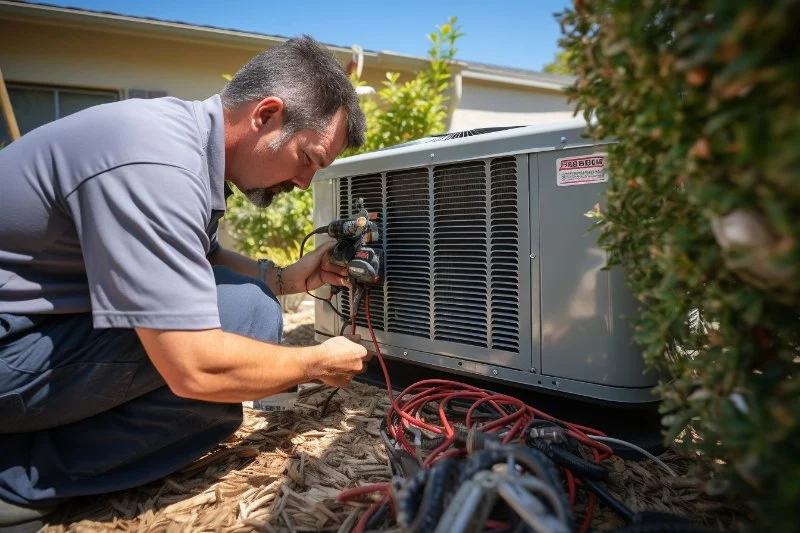
1. Why Is Your Air Conditioner Cycling Too Much?
Air conditioners are designed to maintain a consistent temperature, but if yours is cycling too frequently—turning on and off more than usual—it can be both annoying and inefficient. Understanding why your AC is cycling too much is the first step in fixing the problem. There are several potential causes for this issue, ranging from simple maintenance problems to more complex system failures. Let’s take a closer look at why this happens and how you can address it.

2. Common Causes of Air Conditioner Cycling Issues
Several factors can cause your air conditioner to cycle too much. Some of these are easy to fix, while others may require professional help. Here are the most common causes of AC cycling problems:

Moore's Electrical & Mechanical
AltavistaCampbell CountyVirginia
101 Ogden Rd, Altavista, VA 24517, USA
2.1. Dirty Air Filters
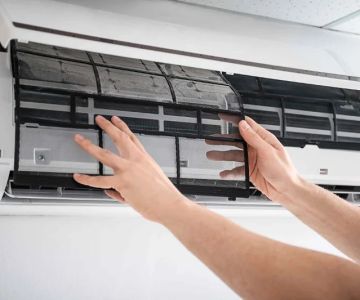
One of the most common causes of excessive AC cycling is dirty air filters. When the filters become clogged with dust and debris, it restricts airflow, making it harder for the AC to cool the air. This can cause the system to work harder than usual and cycle more frequently. Fortunately, this is an easy fix. Simply replace or clean the filters regularly to ensure smooth airflow and prevent excessive cycling.
2.2. Thermostat Issues
If your thermostat is malfunctioning, it may be sending incorrect signals to your air conditioner, causing it to cycle on and off more frequently. Issues like inaccurate temperature readings, a miscalibrated thermostat, or a faulty connection can all lead to irregular cycling. Try recalibrating or replacing the thermostat to resolve this issue. If you have a programmable thermostat, ensure it is set correctly to match your preferred temperature and time schedule.
2.3. Low Refrigerant Levels
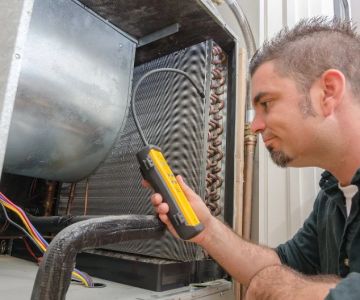
Low refrigerant levels can also cause your air conditioner to cycle too much. If there’s not enough refrigerant to cool the air properly, the system may turn off prematurely and restart to compensate. Low refrigerant could indicate a leak, which needs to be addressed by a professional technician. If you suspect your refrigerant levels are low, it’s best to call an HVAC technician for a checkup and refill if necessary.
2.4. Over-Sized Air Conditioner
While it may seem like a good idea to purchase a larger air conditioner to cool your space faster, an oversized AC can cause frequent cycling. This happens because the system cools the space too quickly, turning off before it has a chance to dehumidify the air. As a result, the AC cycles back on shortly after. If your AC is too large for the space it’s cooling, consider upgrading to a properly sized unit to improve efficiency and prevent unnecessary cycling.
2.5. Dirty Coils
The evaporator and condenser coils in your air conditioner play a crucial role in the cooling process. If the coils are dirty, they can’t absorb or release heat properly, which makes the system overheat and cycle too often. Regular cleaning of these coils can prevent this issue and keep your AC running smoothly. You can clean the coils yourself with a coil cleaner or call a professional technician to do it for you.
3. How to Fix Your Air Conditioner Cycling Too Much
Once you’ve identified the cause of your air conditioner’s excessive cycling, you can take steps to fix it. Here are some helpful solutions to address the issue:
3.1. Replace or Clean Air Filters
Regularly replacing or cleaning your air filters is one of the easiest and most effective ways to prevent your AC from cycling too much. Air filters should be changed every one to three months, depending on usage. Keeping your filters clean will ensure proper airflow and help your system run more efficiently.
3.2. Calibrate or Replace Your Thermostat
If your thermostat is the cause of the problem, try recalibrating it or replacing it with a new one. If your thermostat is an older model, upgrading to a programmable thermostat might be a good idea. A programmable thermostat can help you maintain a consistent temperature while preventing your system from overworking.
3.3. Check and Repair Refrigerant Levels
If low refrigerant levels are the issue, you’ll need to have a professional technician check for leaks and refill the refrigerant. Never attempt to fix refrigerant issues yourself, as handling refrigerants requires specialized knowledge and equipment. A professional will ensure your AC is working optimally and efficiently.
3.4. Ensure Your AC Is Properly Sized
If your air conditioner is too large for your home, consider replacing it with a unit that’s appropriately sized. An HVAC professional can help you determine the correct size for your space, ensuring that your system runs efficiently without unnecessary cycling.
3.5. Clean the Coils
To prevent your air conditioner from cycling too much due to dirty coils, clean them regularly. You can purchase coil cleaning products or hire a professional to clean the coils for you. Ensuring the coils are free from dirt and debris will help maintain efficient heat transfer and prevent overheating.
4. Professional Help from Ac Fix
If you’ve tried these solutions and your air conditioner is still cycling too much, it may be time to call in the experts. Ac Fix offers professional HVAC services, including diagnosis and repairs for cycling issues. Our team of experts can quickly identify the problem, offer a solution, and restore your air conditioner to peak performance. Contact us today to schedule an appointment and ensure your AC operates smoothly throughout the summer!

 Evan's Best Cooling Professionals4.0 (48 reviews)
 McWhorter Service Group Inc.4.0 (105 reviews)
 Mane Heating & Air Conditioning LLC5.0 (3 reviews)
 Mr. Kool Man4.0 (95 reviews)
 McGilberry Mechanical Heating & Cooling, Inc.4.0 (31 reviews)
 Cooler Air Conditioning LLC5.0 (604 reviews)
 How to Deal with AC Coil Problems and How to Clean Them
 Top Ways to Replace Your Air Conditioning Quickly and Affordably in Your Area
 Can You Fix AC Condenser Without Replacing the Entire System?
 How to Solve Low Refrigerant Levels in Your Air Conditioner Unit
 How to Replace the Capacitor in Your Air Conditioning Unit
 How Much Does It Really Cost to Fix an AC Condenser?