
- Why-AC-Stops-Cooling - Understanding the most common root causes of cooling failure
- Basic-Troubleshooting-Steps - Simple checks homeowners can safely perform
- Refrigerant-and-Airflow-Issues - How cooling performance breaks down
- Compressor-and-Mechanical-Failures - When internal damage requires experts
- Electrical-and-Thermostat-Problems - Hidden issues behind cooling loss
- When-to-Call-Professionals - Knowing the limit of DIY repair attempts
Why an Air Conditioner Stops Cooling Properly in the First Place
When a system stops cooling effectively, most homeowners immediately assume the worst. However, understanding how air conditioners function helps narrow down the issue. Cooling failure is rarely caused by a single problem—it is usually the result of airflow restrictions, refrigerant imbalance, or mechanical wear over time.
Learning how to repair an air conditioner that won’t cool properly starts with identifying symptoms early. A unit may still run, blow air, and even sound normal, but fail to reduce indoor temperature. This is often the first warning sign of deeper HVAC system issues that require attention before they escalate.
Basic Troubleshooting Steps Before Calling for Repairs
1. Checking Air Filters and Airflow Blockages
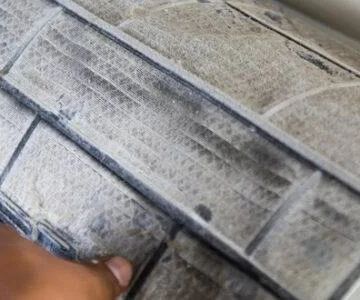
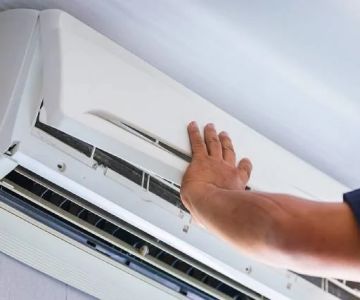
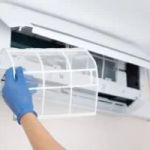
One of the simplest causes of AC not cooling repair situations is a clogged air filter. When filters become blocked, airflow drops significantly, forcing the system to work harder while producing less cooling. This also increases energy consumption and wear on internal components.
2. Inspecting Thermostat Settings
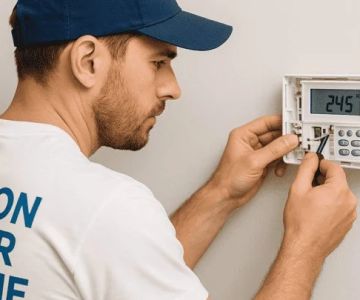
Incorrect thermostat settings or faulty calibration can cause the system to run inefficiently. Sometimes, the issue is as simple as a wrong mode selection or weak batteries affecting communication between the thermostat and AC unit.
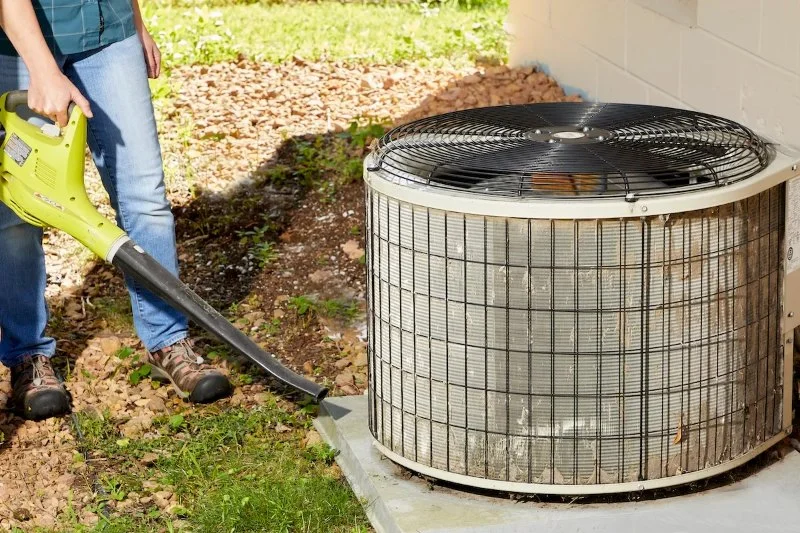
3. Ensuring Outdoor Unit is Clear
The outdoor condenser unit must remain free from debris, leaves, or dirt buildup. Blockages can restrict heat release, reducing cooling performance even if the indoor system appears to be functioning normally.
Refrigerant and Airflow Issues That Affect Cooling Performance
Low Refrigerant Levels and System Pressure Imbalance
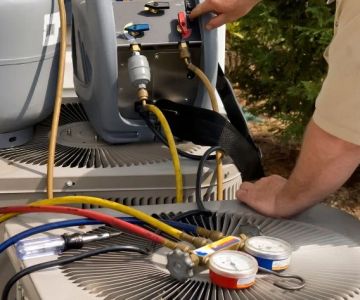
Refrigerant is essential for heat exchange. When levels drop due to leaks, the system loses its ability to cool effectively. Homeowners often mistake this for general system failure, but it is a specific issue that requires professional AC service.
Attempting to fix refrigerant issues without proper tools can worsen the problem. Licensed HVAC technicians use specialized equipment to detect leaks and restore proper pressure levels safely.
Restricted Airflow in Duct Systems
Even if the AC unit is working correctly, blocked or leaking ducts can prevent cool air from reaching rooms. This leads to uneven temperatures and poor system performance, often misdiagnosed as compressor failure.
Compressor Problems: When Cooling Failure Becomes Serious
Understanding the Role of the Compressor
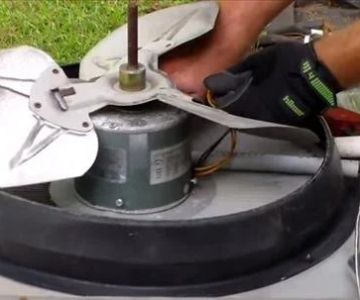
The compressor is the core of the cooling cycle. It circulates refrigerant and maintains pressure differences needed for heat transfer. When it begins to fail, cooling efficiency drops dramatically.
Warning Signs of Compressor Damage
Common symptoms include loud humming, repeated cycling, or warm air blowing despite the system running. These issues usually indicate internal mechanical stress that cannot be resolved through basic troubleshooting.
Real Case Example: Delayed Repair Leading to Full Replacement
A homeowner in Arizona noticed reduced cooling during peak summer. Instead of seeking HVAC repair tips or calling professionals, they continued using the system. Over time, the compressor overheated and failed completely. A technician later confirmed that early intervention could have saved thousands in replacement costs.
Electrical and Thermostat Issues That Are Often Overlooked
Faulty Wiring and Electrical Interruptions
Electrical problems can interrupt communication between system components. Loose wiring or damaged capacitors often leads to inconsistent cooling or sudden shutdowns.
Thermostat Malfunctions
A malfunctioning thermostat may misread indoor temperatures, causing the system to run inefficiently or shut off too early. This is often mistaken for cooling failure when the root issue is actually control-related.
Step-by-Step Understanding of How to Repair an Air Conditioner That Won’t Cool Properly
Step 1: Identify External Issues First
Start with airflow, filters, and outdoor unit condition. These are the easiest and safest checks before moving to deeper system diagnosis.
Step 2: Evaluate Cooling Output Consistency
If airflow is strong but temperature remains high, refrigerant or compressor issues are likely involved.
Step 3: Monitor System Behavior Patterns
Frequent cycling or inconsistent cooling often signals deeper internal problems requiring expert diagnosis.
For homeowners looking for reliable professional AC service support, platforms like Ac Fix can help connect them with trained HVAC specialists who handle complex cooling system repairs safely and efficiently.
Real-Life Story: A Small Issue That Became a Major Repair
In a suburban home, a family noticed their AC struggling to maintain temperature. Assuming it was a minor issue, they only replaced the filter. However, the actual problem was a slow refrigerant leak combined with a weak compressor.
Within weeks, the system stopped cooling entirely. When technicians finally inspected it, the damage had spread across multiple components. What could have been a simple repair turned into a full system overhaul. This case highlights why early diagnosis is critical when learning how to repair an air conditioner that won’t cool properly.
When Professional HVAC Repair Becomes Necessary
Persistent Cooling Failure
If your system continues to struggle even after basic troubleshooting, deeper mechanical or refrigerant issues are likely present.
Unusual Sounds or Smells
Grinding noises or burning smells often indicate electrical or mechanical failures that require immediate professional attention.
Rapid Energy Bill Increases
A sudden spike in electricity usage often means the system is working harder due to hidden inefficiencies.
System Not Responding Properly
If the AC fails to respond consistently to thermostat changes, internal control or wiring issues may be present.
Why Proper Diagnosis Matters More Than Quick Fixes
Understanding how to repair an air conditioner that won’t cool properly is not just about fixing visible issues—it is about identifying root causes. Many cooling problems are interconnected, meaning that treating symptoms without addressing underlying faults often leads to repeated breakdowns.
Professional HVAC repair ensures that airflow, refrigerant balance, and mechanical components are evaluated together, restoring system performance efficiently and safely.
 Johnstone Supply4.0 (31 reviews)
 JL Solutions4.0 (87 reviews)
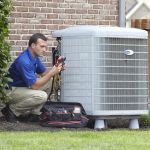 Sears Heating and Air Conditioning0.0 (0 reviews)
 Texas Heat A/C3.0 (48 reviews)
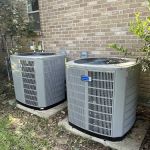 Cozy Comfort Cooling5.0 (24 reviews)
 Ralphs Mobile RV repair service4.0 (77 reviews)
 Expert Guide on How to Get Your AC Fixed Like a Pro | AC Repair Tips
 How to Find Who Can Fix My Air Conditioner Without Spending a Fortune
 What Causes Your Air Conditioner to Overheat and How to Fix It
 Top Ways to Fix Your AC Quickly and Affordably in Your Area | Ac Fix
 The Ultimate Checklist to Fix Air Conditioning Successfully – Expert Tips and Solutions
 How to Fix Air Conditioners Without Spending a Fortune