
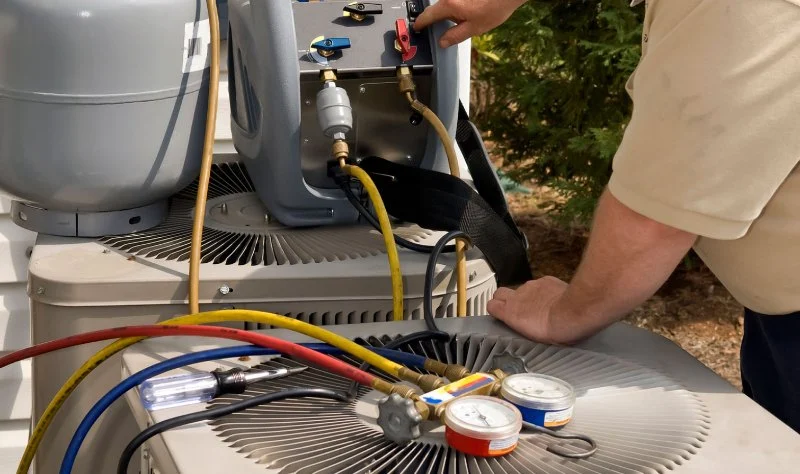
- why-ac-wont-start-after-power-surge - Understanding surge-related HVAC failures
- initial-safety-and-power-checks - First steps before diagnosing internal damage
- electrical-components-diagnosis-ac - Capacitors, breakers, and control board issues
- hvac-reset-and-recovery-process - Safe restart methods after electrical surge
- when-to-call-professional-hvac-technician - Recognizing serious electrical damage
Understanding Why an Air Conditioner Won’t Start After a Power Surge
A power surge can instantly disrupt the electrical balance of an air conditioning system. When this happens, the unit may appear completely dead or refuse to start even though it worked perfectly before the outage.
Most modern HVAC systems rely on sensitive electronic control boards, capacitors, and safety relays. A sudden spike in voltage can damage or disable these components, preventing the system from initiating its startup sequence.
In many residential cases, the issue is not total system destruction but a protective shutdown or a tripped internal safety mechanism designed to prevent further electrical damage.
A & J Mechanical Services
LancasterLancaster CountySouth Carolina
1085 Songbird St, Lancaster, SC 29720, USA
Step One: Basic Safety and External Power Checks
Before opening any panels or inspecting internal components, it is essential to ensure the system is safely powered down and external electrical issues are ruled out.
R & R Heating and Air
WoodstockCherokee CountyGeorgia
6683 Bells Ferry Rd ste d, Woodstock, GA 30189, USA
Check the Circuit Breaker Panel
After a power surge, the first thing to inspect is the home’s breaker panel. Many air conditioners will not start because the breaker has tripped to protect the system from overload.
Resetting the breaker once can restore power, but repeated tripping indicates deeper electrical issues.
Inspect Outdoor Disconnect Switch
The outdoor disconnect box can sometimes be shut off or damaged during electrical fluctuations. If this switch is off, the system will not receive power even if the breaker is functioning correctly.
Verify Thermostat Functionality
A surge can also disrupt thermostat communication. If the thermostat screen is blank or unresponsive, it may need a reset or battery replacement.
Common Electrical Components Affected by Power Surges
When an AC system refuses to start after a surge, internal electrical components are often the primary cause. These parts are sensitive and can fail even after a brief voltage spike.
Capacitor Failure
The capacitor provides the initial energy boost required to start the compressor and fan motors. A surge can weaken or completely destroy it, preventing startup.
A failing capacitor may produce clicking sounds or complete silence when the system attempts to start.
Control Board Damage
The control board acts as the brain of the HVAC system. It regulates signals between thermostat, compressor, and fan motors. Electrical surges can burn circuits or disrupt communication pathways.
In such cases, the system may appear completely unresponsive even when power is present.
Contactor Relay Issues
The contactor is responsible for sending power to the compressor. If it becomes welded or burned due to a surge, the system cannot start properly.
Real-Life Example: Suburban Home After Lightning-Induced Surge
A homeowner experienced a sudden AC failure after a nearby lightning strike caused a neighborhood-wide power surge. The air conditioner would not start at all, even though the thermostat appeared normal.
After inspection, technicians found that the capacitor had failed and the control board had partially burned. The breaker had also tripped as a safety response.
Once the damaged capacitor and board were replaced, the system returned to normal operation. This case highlights how even brief electrical events can cause multiple points of failure in HVAC systems.
Step-by-Step Troubleshooting for Post-Surge AC Failure
A structured approach helps identify whether the issue is minor or requires professional repair.
Step 1: Confirm Power Flow
Check breaker panels, disconnect switches, and thermostat display. If any of these show no power, the issue is likely external rather than internal failure.
Step 2: Listen for Startup Attempts
If the system clicks or hums but does not start, the capacitor or contactor may be damaged. No sound at all usually indicates control board or power loss issues.
Step 3: Inspect for Visible Damage
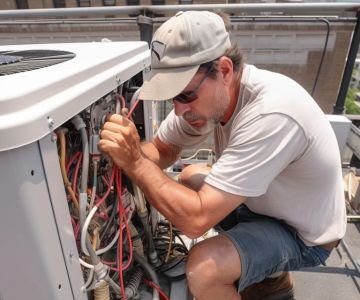
Look for burnt marks, melted wiring, or unusual odors near the outdoor unit. These are strong indicators of electrical surge damage.
Step 4: Perform a Controlled System Reset
Turn off the system at the breaker for several minutes before restarting. This allows internal circuits to reset after minor electrical disturbances.
Hidden Risks After a Power Surge
Even if the system starts again after a surge, hidden damage may still exist. Electrical stress can weaken components, reducing lifespan and efficiency.
Capacitors may lose capacity gradually, and control boards may fail intermittently over time, leading to unpredictable performance issues.
When DIY Fixes Are Not Enough
While some basic checks are safe for homeowners, internal electrical repairs require professional expertise. Working with capacitors, wiring, and control boards can be hazardous without proper training.
If the system remains unresponsive after a reset and breaker check, it is strongly recommended to contact a qualified HVAC technician.
Many homeowners turn to platforms like Ac Fix to better understand repair options and identify reliable service solutions after electrical damage events.
Preventing Future Power Surge Damage
Preventive measures can significantly reduce the risk of future HVAC electrical failures.
Whole-Home Surge Protectors
Installing a surge protector at the electrical panel helps shield HVAC systems from voltage spikes caused by lightning or grid instability.
Dedicated AC Surge Protection Devices
These devices are installed directly on the outdoor unit and provide an additional layer of defense against electrical fluctuations.
Regular Electrical System Inspections
Routine inspections ensure wiring integrity and early detection of weak components that may fail during future surges.
Long-Term HVAC Reliability After Electrical Events
Power surges do not always cause immediate failure. In many cases, they create hidden damage that reduces efficiency over time.
Monitoring system behavior after an electrical event is crucial to prevent unexpected breakdowns during peak cooling seasons.
 HVAC Quality Solutions5.0 (8 reviews)
 Hometown Cooling5.0 (14 reviews)
 Coastal Hankla A/C & Heat4.0 (69 reviews)
 Phil's Heating and Air4.0 (484 reviews)
 Hammel & McCrady Heating and Cooling3.0 (4 reviews)
 Beach Mechanical0.0 (0 reviews)
 Who Should You Trust When You Need to Fixing Air Conditioning? – Expert Tips
 How to Fix Your AC: The Ultimate Checklist for Finding Professional Help
 Fastest Way to Get My AC Fixed Without Getting Overcharged
 How Much Does It Really Cost to Fix Air Conditioning?
 Who Should You Trust When You Need to Fix Air Conditioning Leak?
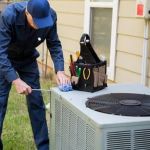 How to Fix an AC Unit That Won’t Start After a Power Surge