
- 1 - Understanding AC Fan Motors
- 2 - Signs of a Faulty Fan Motor
- 3 - Tools and Safety Precautions
- 4 - Diagnosing the Fan Motor
- 5 - Preparing for Replacement
- 6 - Removing the Faulty Fan Motor
- 7 - Selecting a Replacement Fan Motor
- 8 - Installing the New Fan Motor
- 9 - Testing and Verifying Performance
- 10 - Expert Tips and Common Mistakes
- 11 - Resources from Ac Fix
1 - Understanding AC Fan Motors
1.1 Role in HVAC Systems
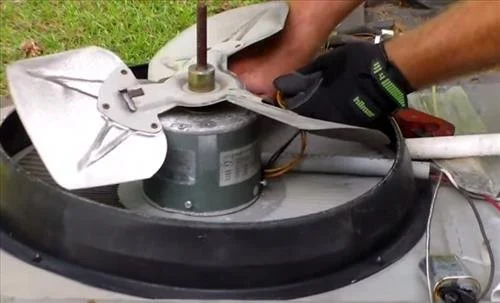
The fan motor is the driving force behind air circulation in your air conditioning system. It powers the blower fan that moves cool air through ducts, ensuring even distribution throughout your home or office. A malfunctioning fan motor can lead to poor airflow, uneven cooling, and increased energy consumption.
1.2 Types of Fan Motors
Air conditioner fan motors come in two primary types: PSC (Permanent Split Capacitor) and ECM (Electronically Commutated Motor). PSC motors are common in older systems and are reliable but less energy-efficient. ECM motors are more advanced, allowing variable speed operation and higher energy efficiency.
2 - Signs of a Faulty Fan Motor
2.1 Common Symptoms
Recognizing a failing fan motor early can save time and repair costs. Symptoms include:
- Reduced or no airflow from vents
- Unusual humming or buzzing sounds
- AC system overheating or frequent shutdowns
- Tripped breakers associated with the AC unit
- Visible signs of wear on the motor or blower fan
2.2 Real-Life Case Study
One homeowner noticed their AC would run but delivered barely any cool air. Upon inspection, the blower motor bearings were seized, preventing fan rotation. Replacing the motor restored normal airflow and system efficiency, highlighting the importance of timely intervention.
3 - Tools and Safety Precautions
3.1 Essential Tools
Key tools for fan motor replacement include screwdrivers, multimeter, nut drivers, pliers, and appropriate electrical tape. A service manual or wiring diagram is highly recommended for accurate reconnections.
3.2 Safety Precautions
Always disconnect power at the breaker panel before servicing the AC. Wear gloves and eye protection to prevent injuries from sharp fins, spinning fans, or electrical contacts. Using proper lockout-tagout procedures ensures safe working conditions.
4 - Diagnosing the Fan Motor
4.1 Electrical Testing
Use a multimeter to measure voltage at the motor terminals. Lack of continuity or abnormal readings may indicate a failed winding. Testing the capacitor (if present) is also critical, as a defective capacitor can mimic motor failure.
4.2 Mechanical Inspection
Check for signs of physical damage such as bent fan blades, burnt smell, or debris obstructing the fan. Spin the blower by hand to detect binding or resistance, which often signals worn bearings or motor failure.
5 - Preparing for Replacement
5.1 Power Down and Clear Access
Shut off the main breaker, and remove panels or access doors to reach the fan motor. Clear any accumulated dust or debris around the blower compartment to avoid contamination during installation.
5.2 Label Wiring
Take photos or label wires before disconnecting. Correct reconnection is essential to ensure motor function and prevent electrical hazards.
6 - Removing the Faulty Fan Motor
6.1 Disconnecting Electrical Connections
Carefully detach wires from the motor terminals, noting the color coding or labeling. Avoid pulling on wires directly; use pliers if necessary to prevent damage.
6.2 Detaching the Motor
Unscrew the motor mount and remove the blower wheel from the shaft. Handle the motor gently to prevent bending or damaging the fan assembly.
7 - Selecting a Replacement Fan Motor
7.1 Matching Specifications
Select a replacement motor that matches voltage, horsepower, RPM, and rotation direction. Mismatched specifications can result in poor performance or damage to the AC system.
7.2 Quality Considerations
Use OEM motors or certified aftermarket replacements to ensure durability and long-term performance. Ac Fix offers verified products suited for residential and commercial systems.
8 - Installing the New Fan Motor
8.1 Positioning the Motor
Mount the motor securely on the bracket, ensuring alignment with the blower wheel. Misalignment can cause vibrations, noise, and premature bearing failure.
8.2 Reconnecting Wiring
Follow the labels or photos taken during removal to reconnect wires correctly. Tighten connections and secure with electrical tape or terminal covers to prevent short circuits.
9 - Testing and Verifying Performance
9.1 Initial Startup
Restore power and turn on the AC. Listen for smooth operation, check airflow, and verify that all vents deliver proper cooling. Monitor for abnormal vibrations or unusual sounds.
9.2 Monitoring Over Time
Observe the fan motor during several cycles. Ensure consistent performance and proper temperature regulation. Early detection of issues prevents further damage.
10 - Expert Tips and Common Mistakes
10.1 Avoiding Mistakes
Do not force the blower wheel onto the shaft, ignore wiring labels, or skip capacitor testing. Each mistake can lead to repeated failure or electrical hazards.
10.2 Expert Advice
Document the process, maintain a clean workspace, and consider lubricating bearings if compatible. Regular maintenance and monitoring extend fan motor lifespan.
11 - Resources from Ac Fix
11.1 Guidance and Tutorials
Ac Fix provides step-by-step guides, replacement part recommendations, and professional advice for AC fan motor repairs. Utilizing these resources ensures safe and efficient maintenance.
11.2 Preventive Measures
Regular inspection, cleaning dust from the blower compartment, and checking electrical connections can prevent future motor failures and keep your system running efficiently.
 Integrity Air Conditioning Services, Inc3.0 (171 reviews)
 Home Services at The Home Depot3.0 (5 reviews)
 Comfort Zone of Central Florida Inc.4.0 (20 reviews)
 Givens AC Solutions5.0 (94 reviews)
 A/C Engineers NFL5.0 (27 reviews)
 Green Home Services - Duct Cleaning in San Antonio & Austin4.0 (251 reviews)
 How to Fix AC Condenser Without Spending a Fortune
 Who Should You Trust When You Need to Replace Your Air Conditioning?
 How to Replace Your Air Conditioning Immediately | AC Fix
 How to Fix an Air Conditioner That’s Blowing Hot Air
 How to Troubleshoot an Air Conditioner that is Blowing Weak Air
 What to Do When You Need Someone Who Can Fix My AC Immediately