
- -signs-your-ac-is-operating-inefficiently
- -common-causes-of-low-efficiency-in-air-conditioners
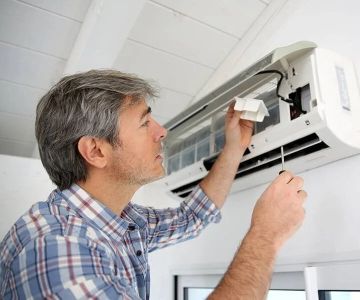
- -checking-and-cleaning-air-filters
- -examining-evaporator-and-condenser-coils
- -verifying-coolant-levels-and-recharging
- -checking-thermostat-settings-and-functionality
- -inspecting-airflow-and-ductwork-for-obstructions
- -monitoring-compressor-and-fan-operation
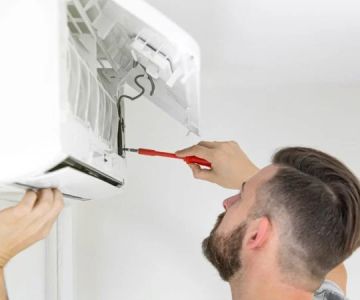
- -identifying-electrical-issues-and-wiring-problems
- -evaluating-system-age-and-component-wear
- -preventive-maintenance-routines-for-efficient-ac
- -using-energy-efficiency-tools-and-meters
- -case-studies-of-low-efficiency-fixes
- -common-mistakes-to-avoid-while-troubleshooting
- -when-to-call-professional-hvac-technicians
- -seasonal-inspection-tips-and-timely-upkeep
- -impact-of-low-efficiency-on-energy-bills
- -improving-home-comfort-through-system-optimization
- -Ac-Fix-recommended-tools-and-services
- -long-term-strategies-for-sustaining-efficiency
- -tracking-performance-and-maintaining-records
- -user-experiences-and-success-stories
- -environmental-considerations-in-hvac-maintenance
1. Signs Your AC is Operating Inefficiently
Recognizing early signs of low AC efficiency helps prevent costly repairs. Common indicators include:
- Insufficient cooling despite normal settings
- Higher than usual energy bills
- Uneven airflow or inconsistent room temperatures
- Louder than normal fan or compressor sounds
- Ice formation on evaporator coils
2. Common Causes of Low Efficiency in Air Conditioners
Low efficiency can result from multiple factors:
- Clogged air filters restricting airflow
- Dirt and debris on evaporator or condenser coils
- Low coolant levels or refrigerant leaks
- Thermostat malfunction or improper calibration
- Blocked or leaking ductwork
- Aging components or worn compressor
3. Checking and Cleaning Air Filters
Dirty filters restrict airflow, causing the system to work harder. Steps for maintenance:
- Turn off the AC unit.
- Remove the filter from its slot.
- Vacuum or wash with mild soap and water if reusable.
- Allow to dry completely before reinstalling.
- Replace disposable filters as per manufacturer recommendations.
4. Examining Evaporator and Condenser Coils
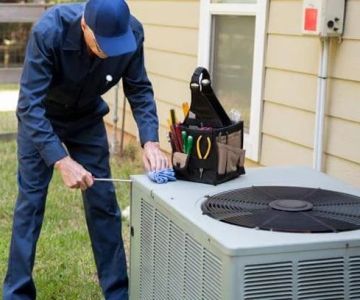
Coils transfer heat effectively when clean. Inspect for dust, dirt, or mold. Gently clean using coil brushes, compressed air, or professional coil cleaners. Regular cleaning ensures optimal heat exchange and reduces energy consumption.

Kirkland Air Conditioning and Heating
CharlotteMecklenburg CountyNorth Carolina
3734 Monroe Rd, Charlotte, NC 28205, USA
5. Verifying Coolant Levels and Recharging
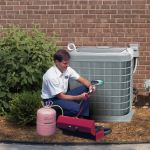
Low refrigerant leads to reduced cooling capacity. Using a manifold gauge, check pressure levels. Recharge only after identifying leaks. For safety and compliance, certified technicians should handle refrigerant replenishment. Proper coolant levels restore efficient operation and prolong system life.

6. Checking Thermostat Settings and Functionality
Incorrect thermostat calibration or malfunction can cause inefficient cooling. Verify settings, replace batteries if needed, and ensure the device reads accurate room temperature. Smart thermostats can optimize cycles for better efficiency.
7. Inspecting Airflow and Ductwork for Obstructions
Blocked vents, dirty ducts, or leaks reduce airflow, decreasing AC efficiency. Inspect ducts for debris, tight connections, and gaps. Sealing leaks and cleaning ductwork improves system performance and ensures consistent cooling.
8. Monitoring Compressor and Fan Operation
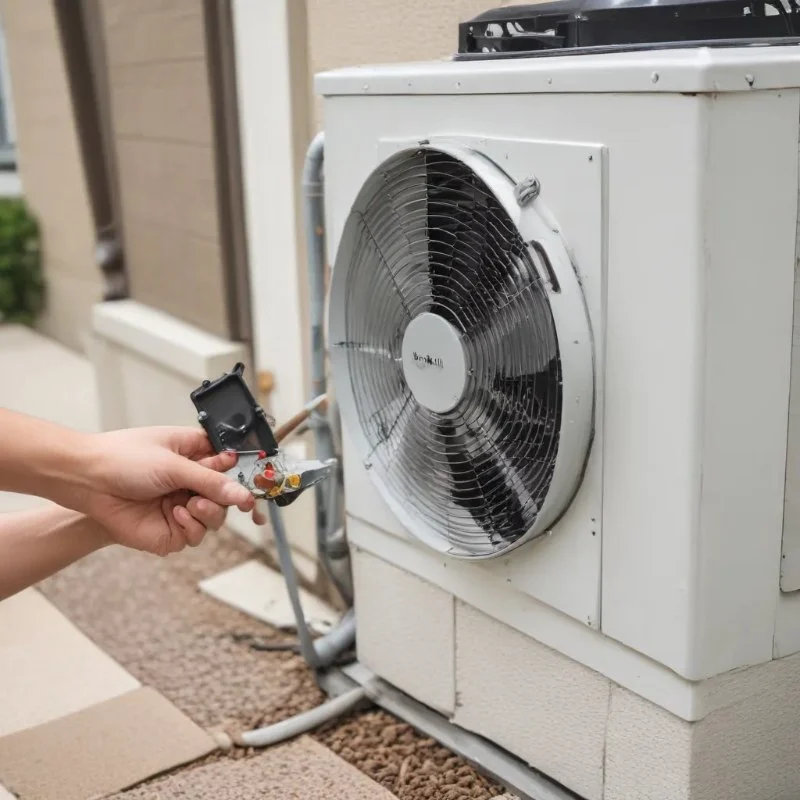
The compressor and fans are critical for heat transfer. Listen for unusual noises or irregular cycling. Inspect fan blades for damage and ensure the compressor runs steadily. Malfunctions may require professional repair or replacement.
9. Identifying Electrical Issues and Wiring Problems
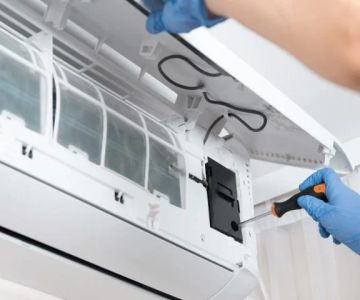
Loose connections, frayed wires, or capacitor failures reduce efficiency. Safely inspect wiring for signs of wear and call a professional for repairs. Electrical issues, if ignored, can escalate to system failures.
10. Evaluating System Age and Component Wear
Older systems may naturally lose efficiency. Evaluate compressor, condenser, evaporator, and fan condition. Worn components may require replacement to restore optimal performance and energy savings.
11. Preventive Maintenance Routines for Efficient AC
Regular maintenance improves long-term efficiency:
- Inspect and clean filters monthly
- Clean coils biannually
- Check coolant levels annually
- Schedule professional inspection before summer
- Lubricate moving parts if applicable
12. Using Energy Efficiency Tools and Meters
Use power meters to monitor consumption, and temperature sensors to track airflow. Comparing metrics before and after maintenance can quantify efficiency improvements.
13. Case Studies of Low Efficiency Fixes
In Houston, a homeowner experienced rising bills and poor cooling. After Ac Fix inspection, blocked ducts and low refrigerant were corrected. The result: improved airflow, consistent temperatures, and 15% lower energy costs.
Another example in Phoenix involved a 10-year-old unit with dirty coils and worn fan blades. Cleaning and replacing parts restored efficiency and extended the system’s lifespan by several years.
14. Common Mistakes to Avoid While Troubleshooting
Avoid these errors:
- Overcharging refrigerant without leak detection
- Neglecting filter and coil cleaning
- Ignoring ductwork leaks or blockages
- DIY electrical repairs without knowledge
- Skipping preventive maintenance schedules
15. When to Call Professional HVAC Technicians
Professional assistance is recommended for:
- Refrigerant handling and leaks
- Electrical and compressor issues
- Persistent inefficiency after basic maintenance
- Major component replacements
16. Seasonal Inspection Tips and Timely Upkeep
Inspect systems before peak summer use. Ensure coolant levels, filter condition, coil cleanliness, and electrical integrity. Proactive checks prevent performance drops during high-demand periods.
17. Impact of Low Efficiency on Energy Bills
Low efficiency forces the system to run longer, increasing electricity usage. Correcting inefficiencies reduces operational costs, improves comfort, and minimizes system wear.
18. Improving Home Comfort Through System Optimization
Proper maintenance, correct refrigerant levels, clean filters, and airflow optimization ensure consistent cooling, balanced temperatures, and energy savings, enhancing indoor comfort.
19. Ac Fix Recommended Tools and Services
Ac Fix offers:
- Professional refrigerant recharge and leak repair
- System inspection and efficiency optimization
- Filter and coil cleaning services
- Preventive maintenance programs
- Expert guidance on energy-saving AC practices
Following these steps ensures your air conditioner operates efficiently, reduces energy costs, and extends system life while leveraging professional support from Ac Fix.
 Bright Heating & Air4.0 (42 reviews)
 Abingdon Heating & Air Conditioning4.0 (13 reviews)
 Stephen Hurst Pack Heating & Cooling, Inc.4.0 (27 reviews)
 BMP Heating and Cooling4.0 (6 reviews)
 Jack Frost Heating and Air Conditioning, Inc4.0 (393 reviews)
 Earley Air Control Inc.3.0 (27 reviews)
 How to Handle an Air Conditioner That Is Blowing Warm Air Instead of Cool
 What to Do When You Need to Fix Your AC Unit Immediately: A Step-by-Step Guide
 How to Fix Water Leaks in Your Air Conditioner
 How to Fix Air Conditioner Drain Line Clogs and Prevent Water Damage
 Understanding the Importance of Regular AC Maintenance for Long-Lasting Performance
 Top Ways to Fix Central Air Conditioning Unit Quickly and Affordably in Your Area