
- 1-Understanding-AC-Overheating
- 2-Common-Causes-of-Overheating
- 3-Regular-Maintenance-Tips
- 4-Checking-Airflow-and-Filters
- 5-Refrigerant-and-Coil-Care
- 6-Electrical-and-Mechanical-Inspection
- 7-Usage-Habits-to-Prevent-Overheating
- 8-Real-Life-Experiences
- 9-Professional-Services-and-Recommendations
- 10-Energy-Saving-Tips
Ensuring Your Air Conditioner Stays Cool: Practical Tips to Prevent Overheating
1. Understanding AC Overheating
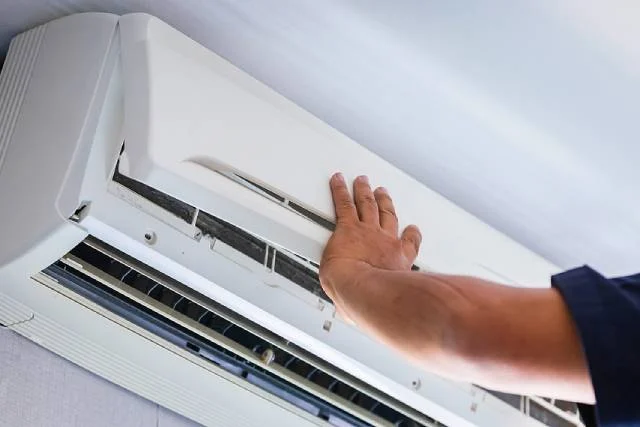
Air conditioners are essential for comfort during hot summers, but overheating can reduce efficiency and damage components. Overheating occurs when internal components work harder than designed due to blocked airflow, mechanical issues, or electrical problems. Understanding the mechanics behind overheating is the first step to preventing it.
1.1 How an Air Conditioner Works
An AC system removes heat from indoor air using a refrigerant, compressor, and condenser. If any of these components fail or operate inefficiently, heat can build up, causing the unit to overheat and shut down for safety.
1.2 Symptoms of Overheating
Common indicators include the AC cycling on and off frequently, unusual noises, warm air output, or a burning smell near the unit. Recognizing these signs early can prevent costly repairs.
2. Common Causes of Overheating
2.1 Dirty Air Filters
Clogged filters restrict airflow, forcing the compressor to work harder and increasing internal temperatures. Filters should be checked monthly and replaced as needed.
2.2 Blocked or Dirty Coils
The evaporator and condenser coils transfer heat efficiently. Dust and debris accumulation reduces heat transfer, causing the system to overheat.
2.3 Low Refrigerant Levels
Insufficient refrigerant makes the compressor overwork, raising internal pressure and temperature, which can lead to shutdowns or mechanical failure.
2.4 Electrical Component Wear
Over time, capacitors, fuses, and wiring can degrade, creating resistance and overheating risk. Regular inspection prevents sudden breakdowns.
3. Regular Maintenance Tips
3.1 Schedule Professional Checkups
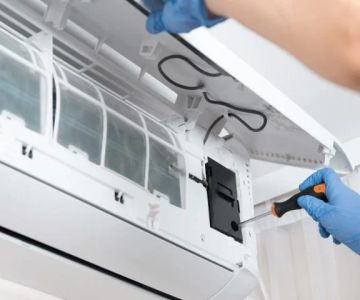
Annual inspections by certified technicians can identify early signs of overheating. Professionals check refrigerant levels, electrical connections, and coil condition to ensure optimal performance.
3.2 DIY Maintenance Practices
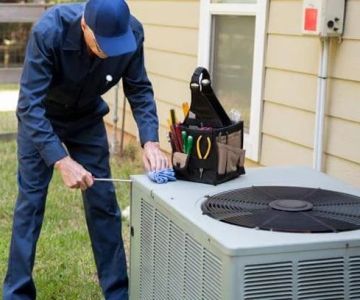
Regularly clean accessible coils, check drainage lines, and remove debris from outdoor units. Light maintenance can significantly reduce overheating risk.
4. Checking Airflow and Filters
4.1 Inspect Air Filters
Replace filters every 1-3 months depending on usage and environment. A clean filter maintains airflow and helps prevent overheating.
4.2 Ensure Proper Ventilation
Keep furniture and objects away from vents and the outdoor condenser unit. Blocked airflow increases internal temperatures and reduces cooling efficiency.
5. Refrigerant and Coil Care
5.1 Monitor Refrigerant Levels
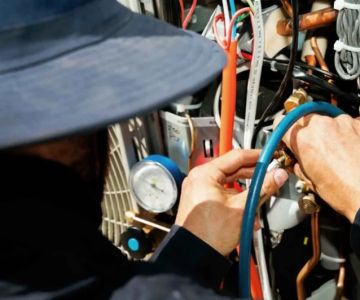
Low refrigerant leads to inefficient cooling and overworked compressors. Regular professional checks ensure proper levels and detect leaks early.
5.2 Clean Evaporator and Condenser Coils
Cleaning coils removes dirt and debris that trap heat. Coil maintenance can prevent system stress and overheating issues over time.
6. Electrical and Mechanical Inspection
6.1 Inspect Wiring and Capacitors
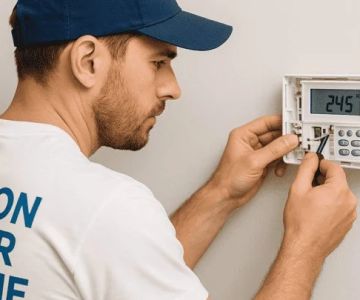
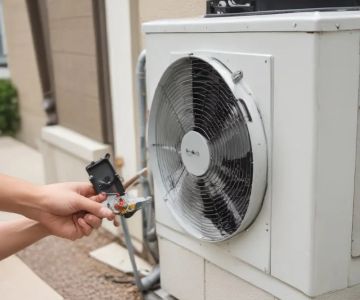
Check for wear, corrosion, or loose connections in wiring. Faulty components can lead to excessive heat buildup and system failure.
6.2 Lubricate Moving Parts
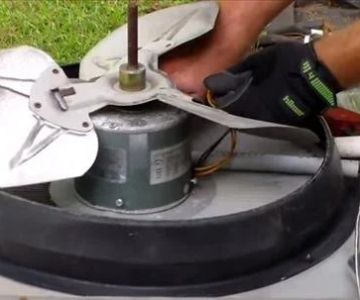
Fans and motors should be properly lubricated to reduce friction and prevent overheating. Mechanical strain increases energy use and heat generation.
7. Usage Habits to Prevent Overheating
7.1 Smart Thermostat Settings
Avoid setting temperatures excessively low, which overworks the system. Using a programmable thermostat balances comfort and efficiency.
7.2 Avoid Running AC Continuously
Give the unit time to cycle properly, preventing excessive heat accumulation. Short, consistent usage reduces stress on components.
8. Real-Life Experiences
8.1 Homeowner Testimonial
Emily, a Florida homeowner, noticed her AC shutting down during peak summer heat. After scheduling a maintenance check and cleaning filters and coils, the unit ran smoothly without overheating, highlighting the value of routine care.
8.2 Office Building Case
A small office faced repeated AC shutdowns due to neglected coil cleaning. Implementing monthly inspections and immediate debris removal solved the overheating problem while improving energy efficiency.
9. Professional Services and Recommendations
Certified HVAC technicians provide detailed inspections, refrigerant management, and electrical checks. For reliable service and parts, visit Ac Fix to find trusted products and services tailored to prevent AC overheating effectively.
10. Energy-Saving Tips
10.1 Insulate and Seal Your Home
Proper insulation reduces indoor heat load, allowing the AC to operate efficiently without overworking.
10.2 Shade Outdoor Units
Placing outdoor units in shaded areas reduces heat exposure, preventing overheating and improving performance.
10.3 Regularly Monitor Energy Use
Tracking energy consumption can indicate early signs of system inefficiency or overheating, prompting preventive measures before costly repairs are needed.
By following these strategies, you can prevent overheating issues in your air conditioner, ensuring long-lasting performance, energy efficiency, and consistent comfort throughout the year.
 AirTemp Services4.0 (19 reviews)
 H & H Heating and Air Inc.3.0 (8 reviews)
 Sears Appliance Repair4.0 (10 reviews)
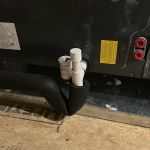 Providence Electric and Heating, LLC5.0 (142 reviews)
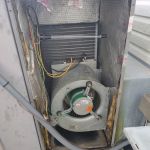 Air Zone Air Conditioning and Heating4.0 (2047 reviews)
 Guy’s Air Conditioning & Heating4.0 (171 reviews)
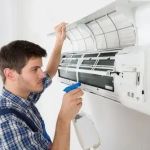 How to Maintain Your Air Conditioner to Prevent Costly Repairs
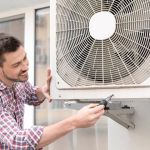 How to Fix Air Conditioning Issues Immediately | Expert Repair Tips
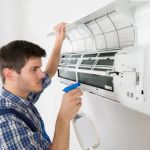 The Ultimate Guide to Fixing Common Air Conditioner Problems
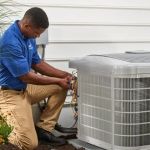 Experts Explain How to Fix an AC Unit Like a Pro
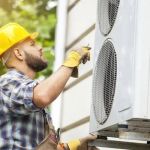 Top Ways to Fix Your AC Unit Quickly and Affordably in Your Area
 How Long Should It Take to Fix Air Conditioning? Understanding the Repair Process