
- 1 - Common Reasons Your AC Is Not Cooling
- 2 - Checking Thermostat and Settings
- 3 - Air Filter and Vent Cleaning
- 4 - Refrigerant Levels and Leaks
- 5 - Inspecting Condenser and Evaporator Coils
- 6 - Examining Fans and Motors
- 7 - When to Call Professional AC Service
- 8 - Preventive Maintenance Tips
- 9 - Ac Fix Support and Resources
1 - Common Reasons Your AC Is Not Cooling
1.1 Dirty Air Filters
One of the most frequent reasons for an air conditioner’s poor cooling is a clogged air filter. When dust and debris accumulate, airflow decreases, forcing your system to work harder while reducing cooling efficiency. Replacing or cleaning filters regularly can restore optimal performance.
1.2 Low Refrigerant Levels
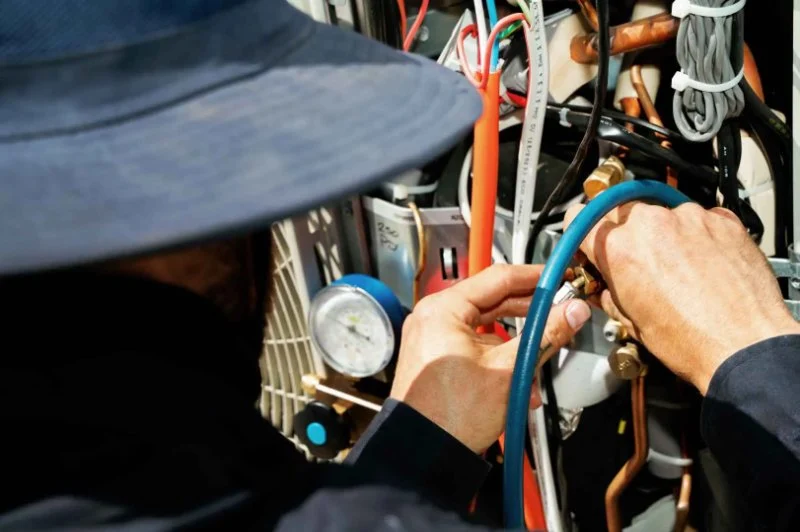
Refrigerant is essential for heat exchange. Low levels due to leaks or improper charging can prevent the AC from cooling effectively. Signs include longer cooling cycles, warm air, or ice forming on the coils. Diagnosing and refilling refrigerant should follow safety guidelines or be handled by professionals.
1.3 Faulty Components
Compressor, capacitor, or fan motor failures can reduce cooling efficiency. Identifying these issues early can prevent total system failure and costly repairs.
2 - Checking Thermostat and Settings
2.1 Proper Temperature Settings
Verify that your thermostat is set to the desired temperature and in cooling mode. Sometimes the issue is as simple as an incorrect setting or a switched-off system.
2.2 Calibration and Placement
An improperly calibrated thermostat or one placed in direct sunlight can lead to inaccurate temperature readings. Adjusting placement or recalibrating the thermostat ensures accurate control of your home’s temperature.
3 - Air Filter and Vent Cleaning
3.1 Filter Replacement Schedule
Replace air filters every 1-3 months depending on usage and indoor air quality. Clean filters improve airflow, reduce strain on the system, and maintain optimal cooling.
3.2 Vent Cleaning
Dust and debris in air vents restrict airflow. Vacuuming vents or using professional duct cleaning services ensures cold air reaches every part of your home efficiently.
4 - Refrigerant Levels and Leaks
4.1 Identifying Leaks
Refrigerant leaks may appear as oily residue around coil connections or cause hissing sounds. Detecting leaks early prevents system inefficiency and environmental harm.
4.2 Safe Refrigerant Handling
Adding refrigerant requires specialized equipment and safety knowledge. Contacting professional technicians ensures the correct amount and type are used without risk of damage or legal violation.
5 - Inspecting Condenser and Evaporator Coils
5.1 Coil Cleaning
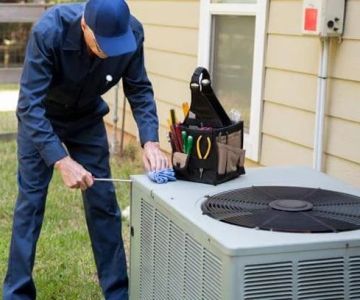
Dirt and grime on coils reduce heat transfer, making cooling less effective. Carefully cleaning coils with approved solutions enhances efficiency and reduces energy consumption.
5.2 Coil Damage Inspection
Check for bent fins or corrosion, which can impair airflow. Minor repairs or fin straightening can restore performance; severe damage may require professional replacement.
6 - Examining Fans and Motors
6.1 Outdoor Condenser Fan
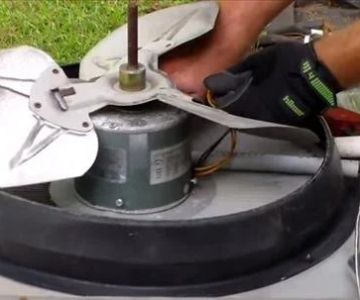
Ensure the condenser fan spins freely and blades are clean. Motor issues or debris can limit airflow and heat dissipation, reducing cooling effectiveness.
6.2 Indoor Blower Motor
The blower circulates cooled air. Listen for unusual noises or irregular operation. Lubricating bearings or replacing worn motors can restore proper airflow.
7 - When to Call Professional AC Service
7.1 Persistent Cooling Issues
If troubleshooting steps fail to restore cold air, a professional AC technician can diagnose complex problems such as compressor failure, major leaks, or electrical faults.
7.2 Safety Considerations
AC systems involve high-voltage components and pressurized refrigerants. Professional intervention ensures repairs are conducted safely and comply with regulations.
8 - Preventive Maintenance Tips
8.1 Seasonal Inspections
Regular inspections before peak cooling seasons help identify potential problems early, avoiding system breakdowns during hot weather.
8.2 Cleaning and Lubrication
Cleaning coils, filters, and vents, as well as lubricating moving parts, maintains efficiency and prolongs system lifespan.
8.3 Monitoring Energy Usage
Unexplained spikes in electricity bills may indicate inefficient operation or hidden issues. Timely action saves money and improves comfort.
9 - Ac Fix Support and Resources
9.1 Professional Guidance
Ac Fix provides expert advice on diagnosing AC problems, selecting compatible parts, and safe repair procedures for both residential and commercial systems.
9.2 Equipment and Tools
Access recommendations for reliable repair tools, refrigerants, and cleaning supplies. Using the right equipment ensures repairs are effective and safe.
9.3 Community and Tips
Ac Fix’s resources include troubleshooting guides, case studies, and user experiences, helping homeowners learn practical strategies for maintaining cooling efficiency.
By following these step-by-step troubleshooting and repair guidelines, you can restore your air conditioner’s performance, reduce energy costs, and enjoy a comfortable indoor environment. For professional advice and equipment recommendations, Ac Fix offers comprehensive resources tailored to homeowners and HVAC enthusiasts alike.
 Mills Heating & Air5.0 (3 reviews)
 Milestone Electric, A/C, & Plumbing4.0 (17270 reviews)
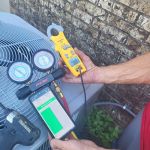 Righteous Air Mechanical, LLC4.0 (48 reviews)
 Thompson Air Conditioning and Heating Inc.4.0 (116 reviews)
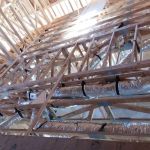 TLR Heating and Air LLC4.0 (24 reviews)
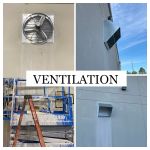 Houston Premier Airflow5.0 (37 reviews)
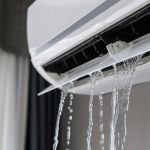 How to Fix an Air Conditioner That Is Leaking Water: Expert Tips and Solutions
 Best Services That Fix Air Conditioning Near You Today
 How to Fix Your AC Like a Pro: Expert Tips for Affordable Repairs
 Why Your Air Conditioner is Blowing Hot Air and How to Fix It
 10 Signs It's Time to Fix Your Air Conditioner: Expert Guide
 Avoid These Common Mistakes When Trying to Fix Air Conditioning Leak