
- -identifying-the-source-of-ac-water-leaks
- -common-causes-of-ac-leaks
- -safety-precautions-before-repairing-ac
- -cleaning-and-unclogging-drain-lines
- -checking-and-leveling-ac-coils
- -replacing-damaged-panels-or-parts
- -preventative-maintenance-tips
- -signs-you-need-professional-ac-service
- -real-life-case-studies
- -additional-resources-and-tools-from-ac-fix
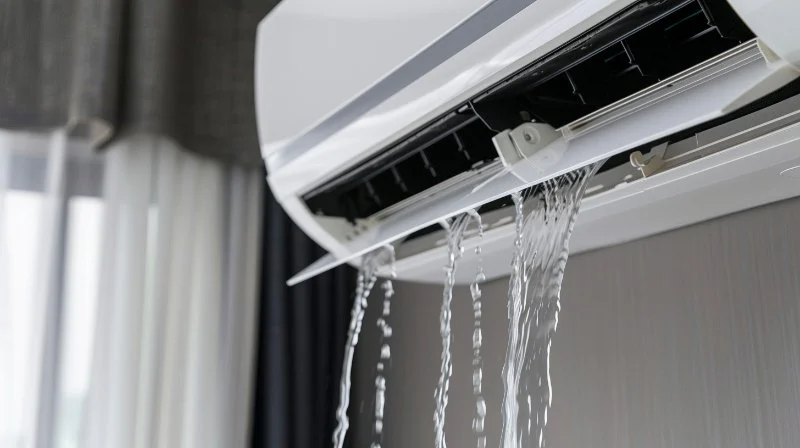
1. Identifying the Source of AC Water Leaks
Before attempting any repairs, it's crucial to locate the source of the water leak. Common areas include the condensate drain line, evaporator coil, and drip pan. Observing where water accumulates and tracing it back can help identify whether the issue is simple clogging or a more significant mechanical problem.
Documenting the leak location and frequency aids in determining the proper fix and prevents recurring issues.

Richmond Refrigeration Services
10984 Richardson Rd, Ashland, VA 23005, USA
2. Common Causes of AC Leaks
Understanding why your air conditioner is leaking water can guide the repair process. Frequent causes include:
- Clogged condensate drain line: Leaves, dust, and debris can block the drain pipe.
- Dirty or frozen evaporator coils: Poor airflow or low refrigerant levels can cause condensation buildup.
- Damaged or rusted drip pan: Age or corrosion may lead to water overflow.
- Improper installation or leveling: AC units not properly sloped may allow water to pool and leak.
- High humidity conditions: Excess moisture in the air can overwhelm drainage capacity.

3. Safety Precautions Before Repairing AC
Always prioritize safety when working on an air conditioner:
- Turn off power to the unit at the circuit breaker.
- Wear protective gloves and eyewear.
- Avoid handling refrigerants unless you are certified.
- Keep the area dry to prevent slips or electrical hazards.
- Ensure all tools are in proper working condition before starting repairs.
4. Cleaning and Unclogging Drain Lines
Clogged condensate drain lines are the most common cause of AC water leaks. Steps to resolve this include:
- Use a wet/dry vacuum to remove debris from the drain line outlet.
- Flush the line with a mixture of water and mild bleach solution to kill mold and algae.
- Consider installing a drain line filter to prevent future clogs.
- Test the system by running the AC and observing if water drains properly.
5. Checking and Leveling AC Coils
Misaligned or dirty evaporator coils can lead to condensation accumulation. Actions include:
- Inspect coils for dirt and clean with appropriate coil cleaner.
- Check refrigerant levels and ensure airflow is not obstructed.
- Level the AC unit if uneven surfaces are causing water pooling.
- Monitor the unit over several cycles to confirm the leak has stopped.
6. Replacing Damaged Panels or Parts
Sometimes, physical damage contributes to water leaks:
- Replace rusted or cracked drip pans.
- Repair or replace worn insulation around piping.
- Inspect and replace any leaking hoses or fittings.
- Ensure all replacement parts meet manufacturer specifications to maintain warranty coverage.
7. Preventative Maintenance Tips
Regular maintenance helps avoid recurring leaks:
- Schedule professional AC servicing at least once a year.
- Clean filters monthly to improve airflow and reduce coil freezing.
- Clear surrounding areas of debris to maintain proper unit ventilation.
- Check and clean condensate lines seasonally to prevent clogs.
8. Signs You Need Professional AC Service
While many fixes are DIY-friendly, some situations require experts:
- Persistent or severe water leaks despite cleaning.
- Frozen coils or unusual noises from the AC.
- Low refrigerant levels or suspected leaks in refrigerant lines.
- Electrical issues that pose safety risks.
Professional technicians can accurately diagnose and resolve complex AC problems.
9. Real-Life Case Studies
Case 1: A homeowner noticed water pooling near the indoor AC unit. After inspecting, the clogged drain line was cleared with a wet/dry vacuum and bleach flush. Routine maintenance prevented future leaks.
Case 2: Another AC unit was leaking due to a damaged drip pan. Replacement with a new, corrosion-resistant pan stopped the leak and improved unit efficiency.
These examples illustrate how identifying the root cause and applying appropriate solutions resolves leaks effectively.
10. Additional Resources and Tools from Ac Fix
Ac Fix provides homeowners with extensive guides, recommended products, and expert advice:
- Step-by-step tutorials for common AC issues.
- Lists of trusted contractors for professional repairs.
- Maintenance schedules and checklists to prevent leaks.
- Tips on extending the lifespan and efficiency of your air conditioner.
By leveraging these resources, homeowners can confidently address leaks and maintain optimal AC performance year-round.
 Ferguson HVAC Supply4.0 (1 reviews)
 Thompson's Tire & Service Center4.0 (35 reviews)
 The Airworx5.0 (1 reviews)
 Tice Heat & Air5.0 (4 reviews)
 TemperaturePro Katy-Cypress5.0 (90 reviews)
 Premier Heating & Air4.0 (822 reviews)
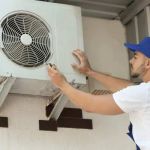 How Much Does It Really Cost to Fix an AC Unit in the US?
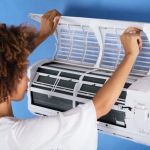 Top Ways to Get My AC Fixed Quickly and Affordably in Your Area | AC Fix
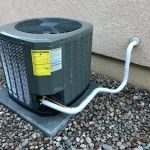 How to Fix AC Condenser Without Spending a Fortune
 Why Your Air Conditioner is Not Cooling and How to Repair It
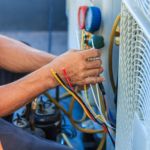 Quick and Affordable Ways to Fix Your Air Conditioner in Your Area
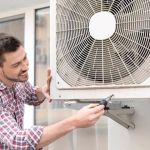 Everything You Need to Know Before You Fix AC Condenser